How-to
How to put nonclusion to work.
You do not need a toolkit to begin, just one design in front of you and two questions. Here is how to get started, depending on what you do.
If you design things
Whether you design products, services, buildings or digital things, pick one design or brief you are working on right now and ask two questions of it. Is it built as if I am already here? Does it express that I belong? The newsletter edition Say “I Already Belong” goes through the whole move.
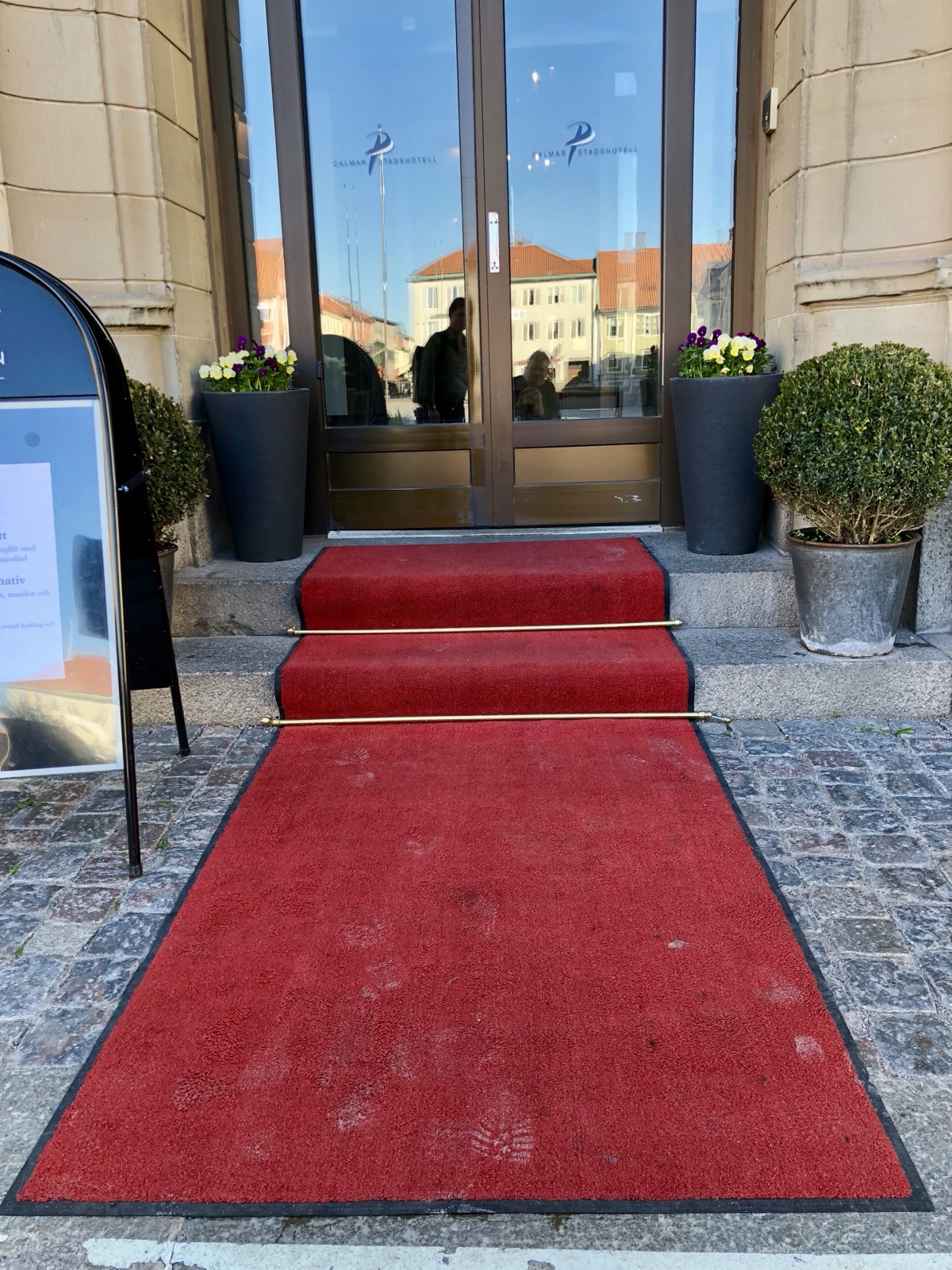
Then look at what your design asks of people before it lets them in. Why Getting from A to B Isn’t Enough is the story I use to show the difference between access and belonging.
And if you want to feel the problem rather than read about it, take the phone vibration study out with your team. All it takes is a smartphone, some Velcro and a stretch of cobblestones. More field exercises like it are on the workshops & experiments page.
If you teach
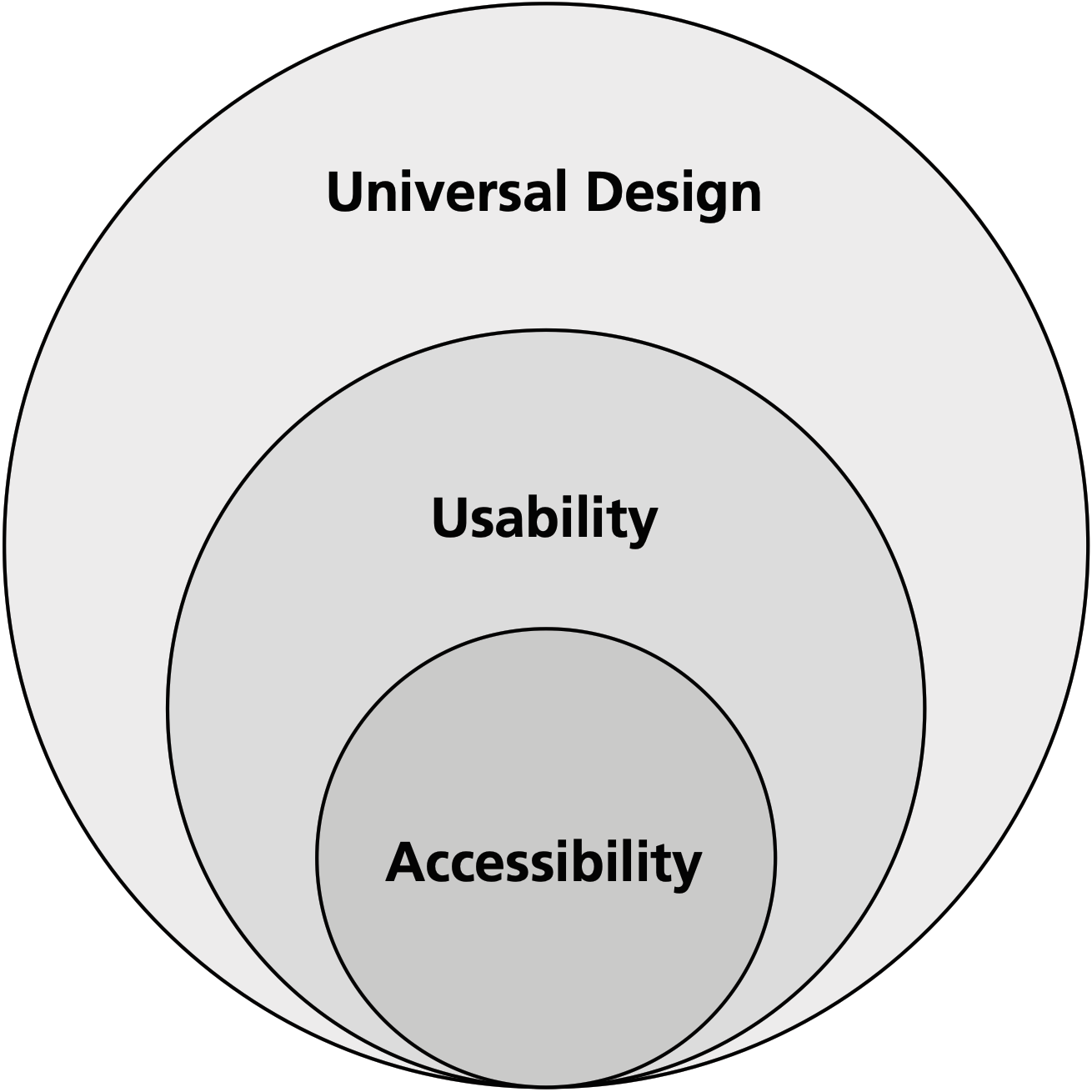
The open resources are made for this. Diagrams and one-pagers under CC BY 4.0, in English and Swedish, ready to drop into slides. The Bell Curve and the three-circle model of accessibility, usability and Universal Design are the two I reach for first in a classroom.
Pair a diagram with an edition as reading. For a first seminar, On Being Disablised gives students the verb form. Not being disabled, but being made disabled by how one is categorised.
For a session where students do rather than read, run the Universal Design photo workshop, the exercise I have run more times than any other. Participants photograph what aligns with or breaks with Universal Design. Its one-page run sheet is ready to bring to class, and the other workshops & experiments work as course exercises too.

If you write policy or requirements
Start with the language, because that is often where the sorting happens. Who Are All These “Others” in Policy Texts? shows how policy separates a norm from its deviations, and how categorisation shapes design is the idea behind the reading. The practical move is to find where your text names groups of people, and try describing situations instead.
Where to start: three guidelines
People often ask me for good examples. These three guidelines gather them. They are places to begin designing from, not standards to audit against. Each guideline has its own page with a handful of moves, the design acts and text acts you perform as you build or write. Every move is shown through examples that already exist, photographed or quoted as I found them.
If you would rather start by doing, the workshops & experiments page collects field exercises you can run yourself, several with a one-page run sheet to bring along.
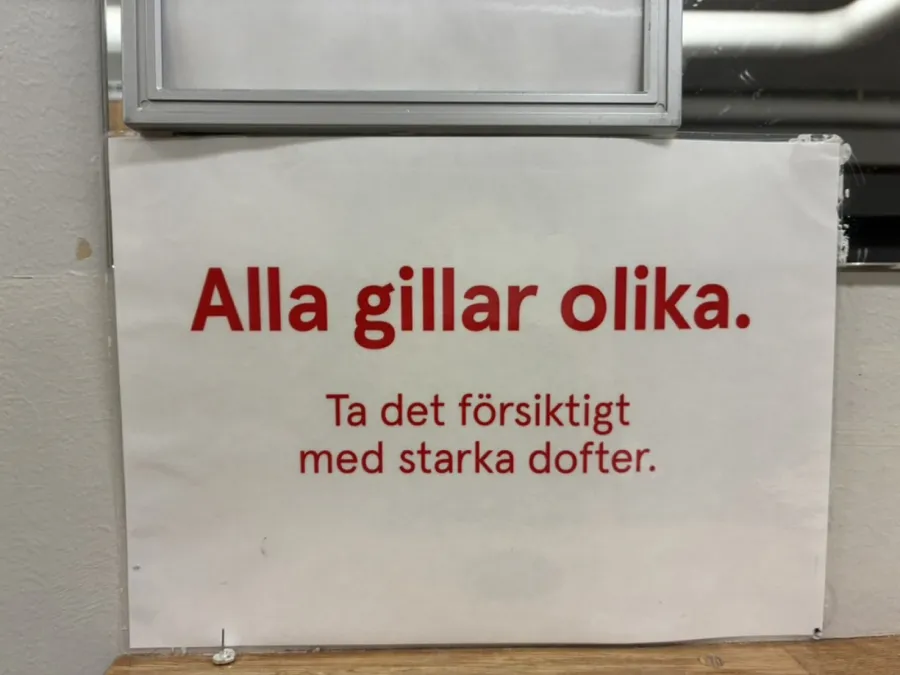
 Categorise the environment, not the body or the person Rooms, sizes, and mechanisms can be sorted and labelled freely. People can not, without cost. Photo to the right: Photo below: A sign about strong scents that starts from variation: no condition named, no icon, no group singled out. See examples →
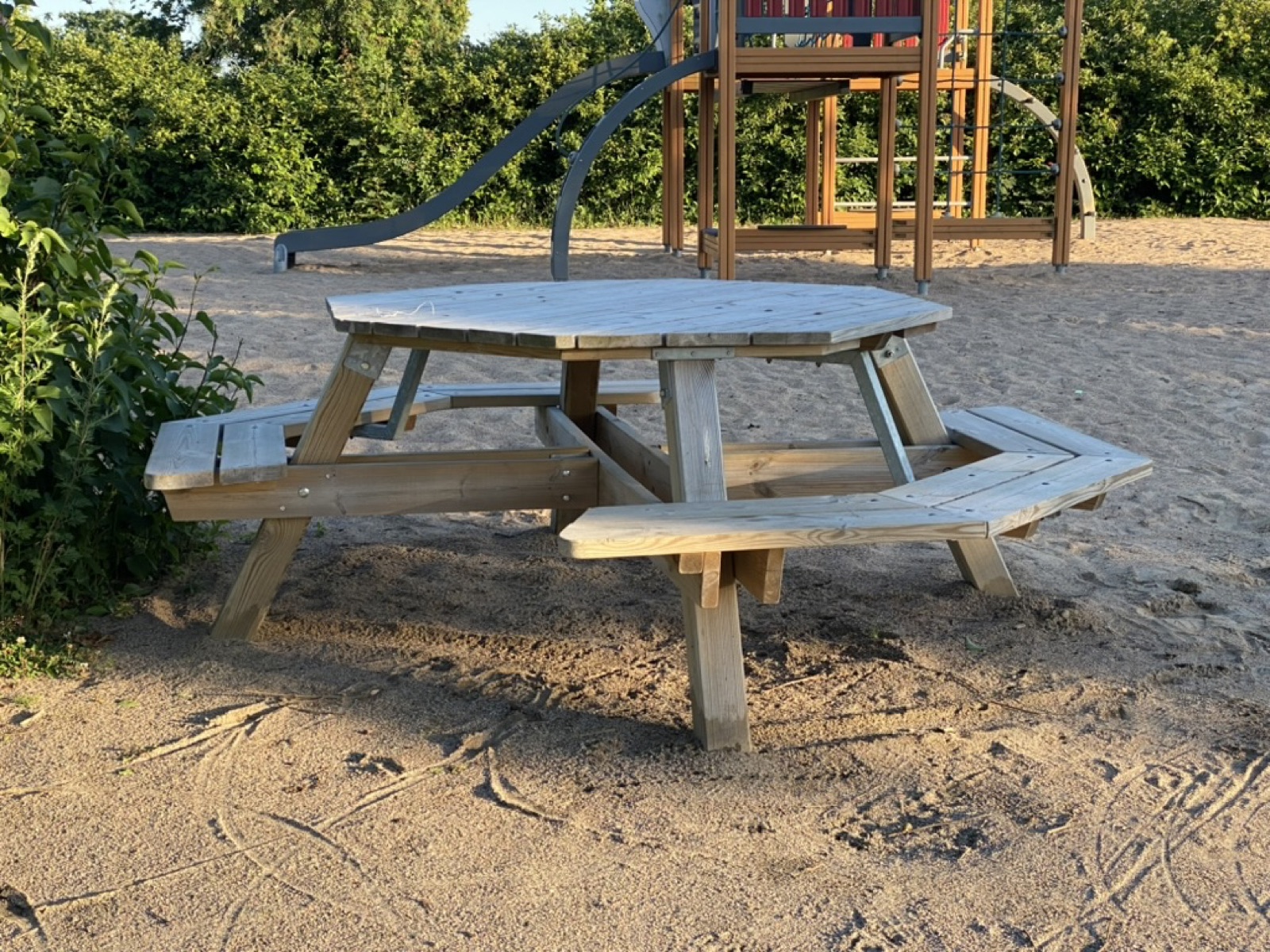
  Meet variation with variation Human variation is the starting point. Answer it with forms, heights, and routes that already contain the difference. Photo to the right: Photo below: A round table with unmarked gaps where anyone can pull up. No designated place, just an invitation to the table. See examples →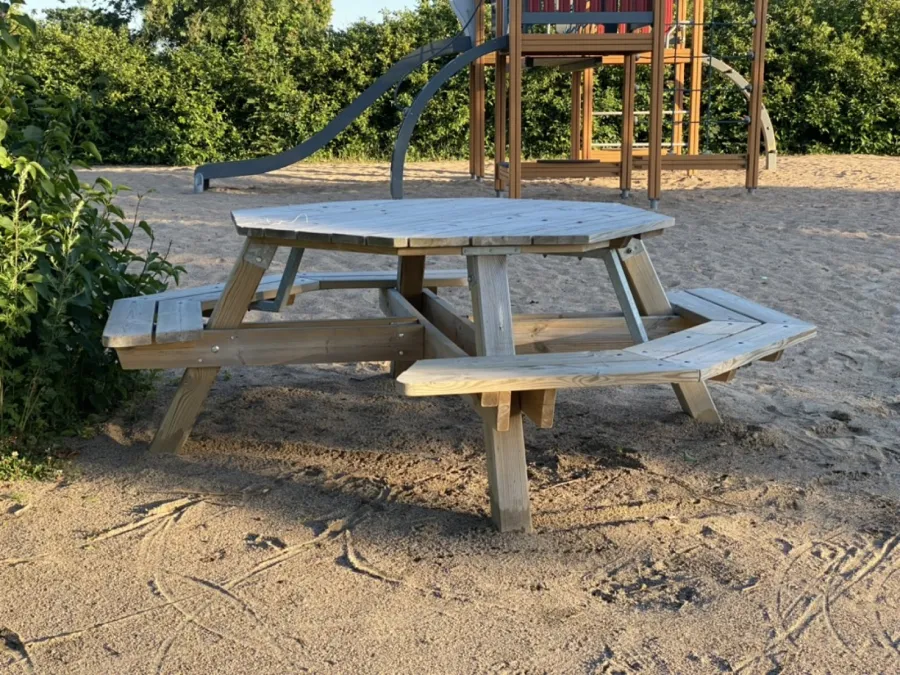
Moves that apply to every guideline
 Design with a glint in the eye
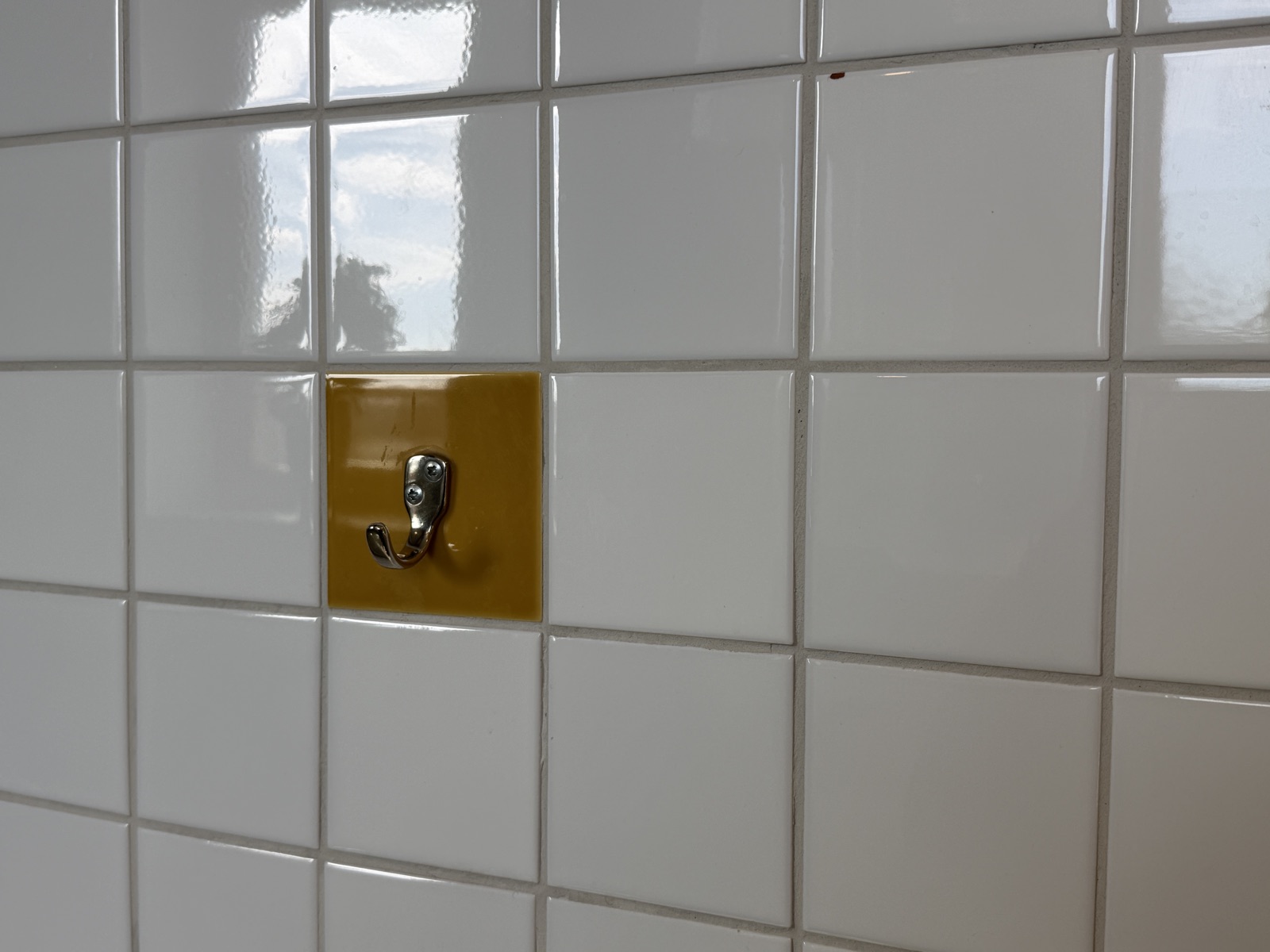
 Let the accessible detail be the room’s charm. When the design flourish is what does the access work, nothing has to be marked as special.
One ochre tile in a white wall, carrying a chrome hook at seated height. Reachable from a wheelchair, findable with low vision, handy for a child. The colour does the finding, the height does the reaching, and nothing announces whom the hook is for.
Enhance equality within and among countries.Name the goal, not the deficit
A goal written as a problem leads to designs that repair. A goal written as what we want leads to designs that build it.
A rewriting of UN Sustainable Development Goal 10, which today says “Reduce inequality within and among countries.” What we are able to design grows or shrinks depending on how goals are written. You cannot reach equality by focusing on inequality.
Workshops & experiments
These are field exercises from my own research and teaching. Each one says what it is, what it captures, and how to run it yourself. Printable run sheets are on each exercise’s page.
Questions this site answers
- What is nonclusive design? Key ideas: Nonclusion
- How is it different from inclusive design? The Lazarus Door
- Can I use the diagrams, photos, and texts? Yes, CC BY 4.0. The license
- What should I read first? Edition #8, then edition #9
- Who is behind this? About me
- What is in motion right now? Now
Questions readers ask
Much of the conversation around this work happens in the newsletter comments. These are the questions that keep coming back, with the answers I gave there.
- Why "nonclusion"? Doesn't the "non-" sound negative?
- If we stop categorising, don't we lose sight of real differences?
- Aren't accessibility signs helpful? How would anyone find the right entrance without them?
- How do I tell whether a project is moving from inclusion to nonclusion?
- Aren't accessibility and Universal Design the same thing?
- Isn't this unrealistic?
Why "nonclusion"? Doesn't the "non-" sound negative?
The most common question I get. For me, nonclusion starts with human variation, and with choosing not to divide it into a norm and deviations. The “non” refuses that sorting step, the way non-violence refuses violence. It is a stance, not an absence. My experience is that the word puts its finger on something many people have experienced without having words for it. In the municipalities we work with, people start using it immediately. And if the term itself does not survive, that is fine. What matters is that we expose and challenge the pattern of norm and deviation. More in edition #2.
If we stop categorising, don't we lose sight of real differences?
The opposite. “All” tends to gloss over human variation. Nonclusion starts from it. Human difference is a state we all share, and the question for any design is how it meets that variation. What I refuse is not difference. It is the sorting of difference into a norm and its deviations, because that sorting involves power: who is let in, under what conditions, and at what cost.
Aren't accessibility signs helpful? How would anyone find the right entrance without them?
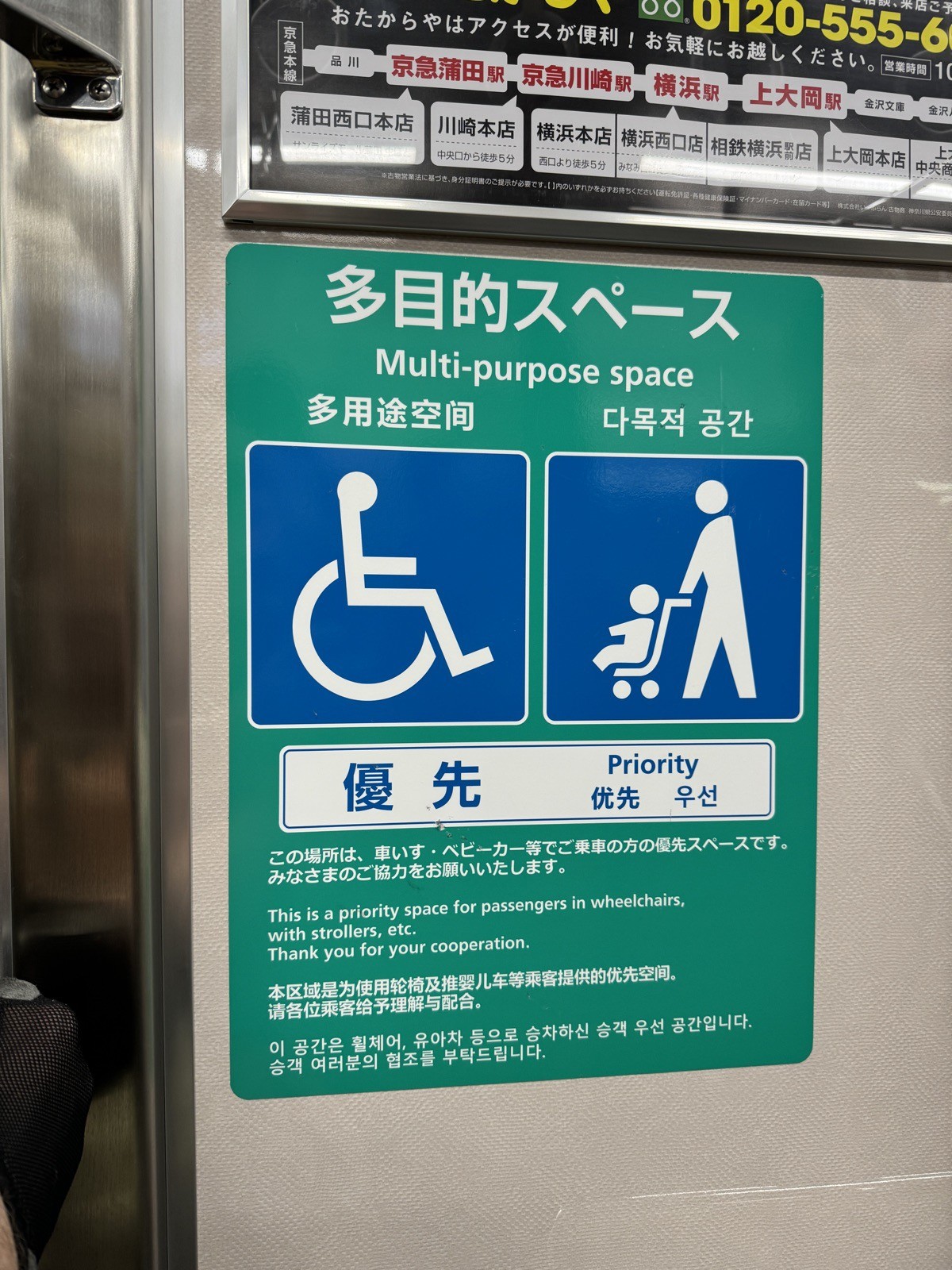
They are, and that is the tension. The signs help with wayfinding, and at the same time they tell of a society where some already belong while others wait to be let in. One way forward is to describe the environment instead of the person: “step-free access” rather than a person in a wheelchair. Best of all, of course, is to remove the division in the first place. More in edition #9.
How do I tell whether a project is moving from inclusion to nonclusion?
Look at how categorisations are made and relied upon. That is the signal to watch. One reader put it well: if a design still depends on disclosure, exceptions, or separate pathways, it has not escaped the sorting logic. More in edition #7.
Aren't accessibility and Universal Design the same thing?
No, but both are needed. Accessibility asks whether you can get in and use something. It is measurable and necessary, but a design can meet every accessibility requirement and still produce separation. Universal Design is a value-based approach to design that should permeate all aspects of society, from the start. So they are not the same, but they belong together. A reader once called them siblings, and I agree: we want the whole family. More in edition #8.
Isn't this unrealistic?
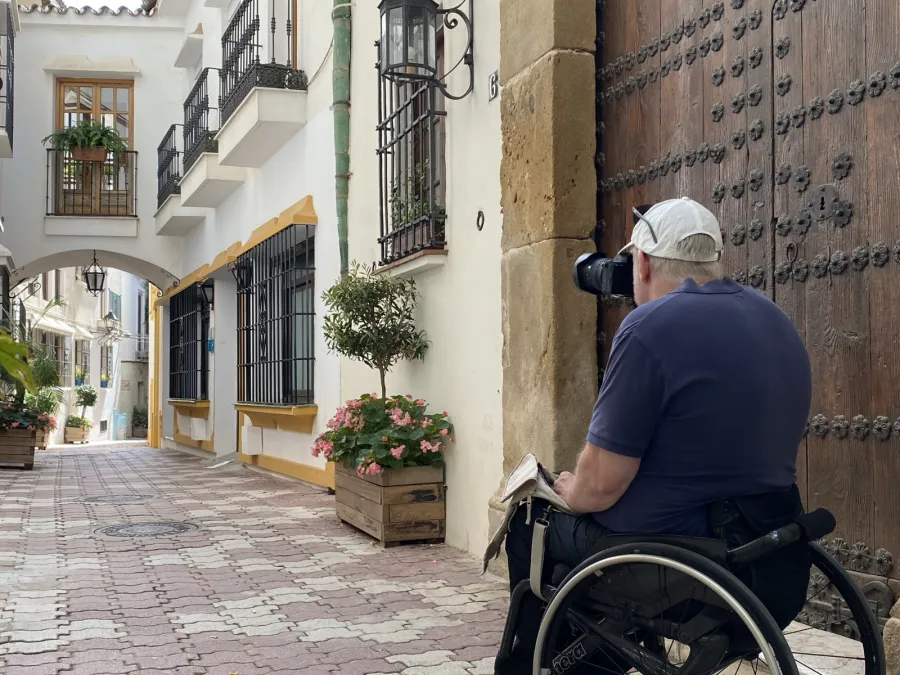
I understand the pessimism. I have used a wheelchair for almost forty years and I am used to being positioned as outside, waiting to be let in, expected to request access and meet conditions. That condition is the problem. The flip I am describing does not accept the inside and outside logic at all. We have never been outside. More in edition #10.
If your question is not here, ask me: hello@peohedvall.com, or the newsletter comments. Questions from readers have shaped several editions already.