Beyond “us” and “them”
Hi there 👋 I’m PeO, a Professor of Design at Mid Sweden University exploring Accessibility, Usability and Universal Design.
We are all part of human variation. Every single I. Every single you. We all already belong. Nonclusive design starts from that and builds for it. Here you’ll find resources and writing about how design can meet variation with variation.
Where to start
What brings you here?
Pick the situation nearest yours, and it will take you to the pages that describe how nonclusive design can support it. Everything you find along the way is free to use.
-
If you’re new to Universal Design
Start with Universal DesignUniversal Design is the field I work in and strive to contribute to. Read what it is, how it relates to accessibility and usability, and where nonclusion comes in. The page opens with a 17-minute lecture. From there, the guidelines show what it might look like in practice.
-
If you’re looking for good examples
Start with the guidelinesThe most common question. Three guidelines gather good examples from streets, buildings, digital services and policy texts, photographed or quoted as we found them, ready to use in your own city or organisation.
-
If you’re designing something
Start with the design movesA product, a service, a building, a digital thing. Ask two questions of it: is it built as if I am already here, and does it express that I belong? The design moves and examples can give inspiration for how to do it.
-
If you’re writing policy or requirements
Start with the text movesThe sorting into “us” and “them” often happens in language first. Find where your text names groups of people, and try describing situations instead. Here you can find worked examples from real policy texts.
-
If you teach
Start with the teaching materialHere you can find diagrams and one-pagers under CC BY 4.0, in English and Swedish, short essays that work as course reading, a photo workshop with a ready run sheet, and more.
-
If you want to try this with your team
Start with a workshopField exercises you can run yourselves: a smartphone, some Velcro, a stretch of cobblestones. Several come with a one-page run sheet to bring along.
-
If you’re doing research
Start with the papersAnchor papers with open access where the publisher allows it, the full publication list on the CV page, and a vocabulary you are welcome to cite, build on, and contribute to.
What nonclusion is
Nonclusion is a contribution to Universal Design,
not an alternative to it.
Universal Design targets how we can make things usable by as many people as possible. Nonclusion contributes a starting point for that work. We are all already part of human variation, so design can build for all of us from the start.
In practice, nonclusive design does three things. It designs for situations, where people and environments meet, rather than for groups of people. It lets signs and spaces communicate what they offer, rather than trying to pinpoint bodies, persons and roles. And it meets variation with variation: several kinds of seating, several ways to read, several ways to interact, several ways through a building.
Nonclusion is ultimately about societal development, and asks what kind of world we are building. It is a contribution to Universal Design. Design influences us every day, in all situations, often without words. It tells people whether they are expected and whether they count as part of a norm or as deviating from it. Design that starts from human variation moves development processes beyond “us” and “them”, one design decision, one entrance, one sign, one website at a time. Most of this site is about what that looks like in practice.
How to get started
Three guidelines you can try.
If you want to try nonclusive design in your own work, start here. Each guideline gathers a handful of moves, the design acts and text acts you can make, and shows each one through real examples: photographs from streets and buildings, and sentences from policy texts.
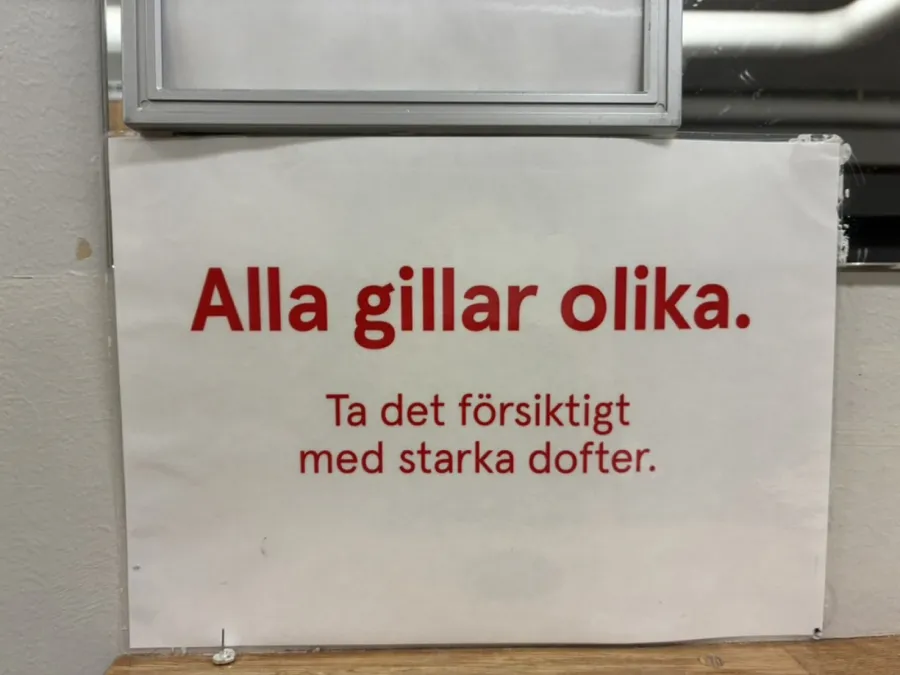
 Categorise the environment, not the body or the person Rooms, sizes, and mechanisms can be sorted and labelled freely. People can not, without cost. Photo to the right: Photo below: A sign about strong scents that starts from variation: no condition named, no icon, no group singled out. See examples →
  Meet variation with variation Human variation is the starting point. Answer it with forms, heights, and routes that already contain the difference. Photo to the right: Photo below: A round table with unmarked gaps where anyone can pull up. No designated place, just an invitation to the table. See examples →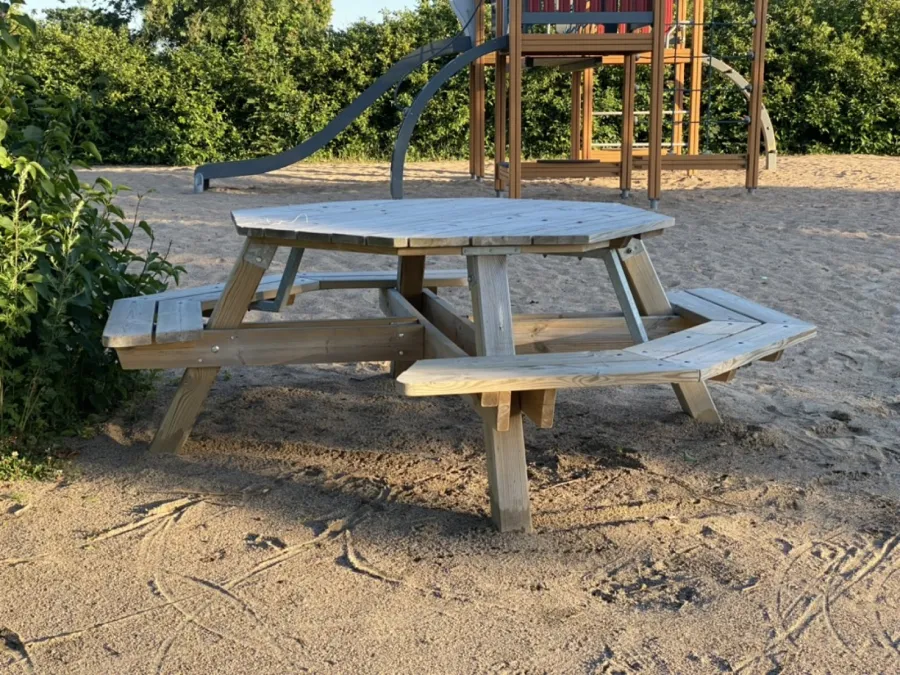
The newsletter
Short essays about design beyond “us” and “them”.
The newsletter is where I explore new themes, write short essays, and talk about our research. It is on LinkedIn, because of the conversation in the comments. Subscribe. Join in.
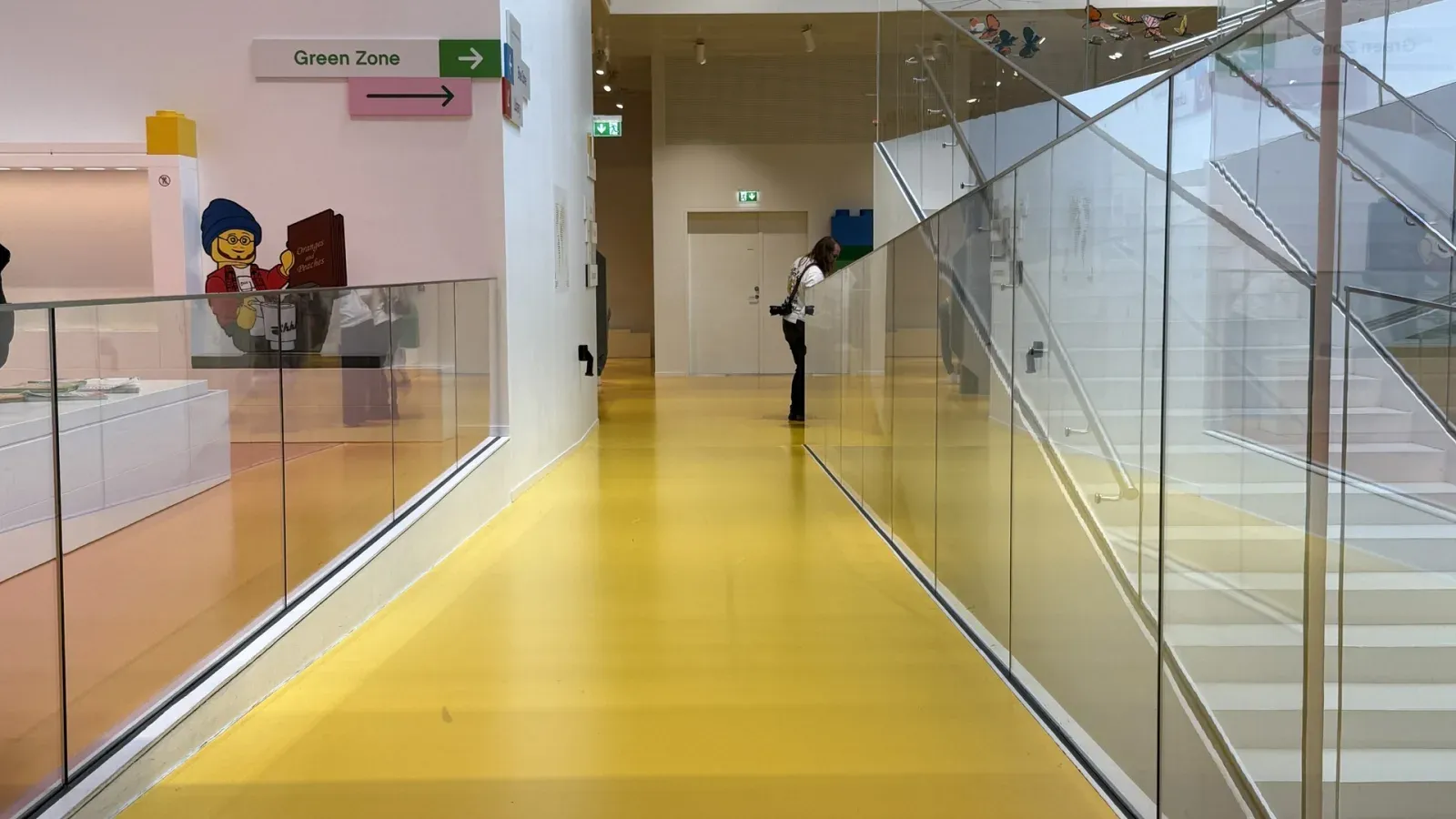
When the Accessible Route Is the Main Route
I was recently in Denmark to be inaugurated as a Bevica Guest Professor in Universal Design at the Kolding School of Design. I went there together with my family, and we also had a full day at LEGO House in Billund.
Read this edition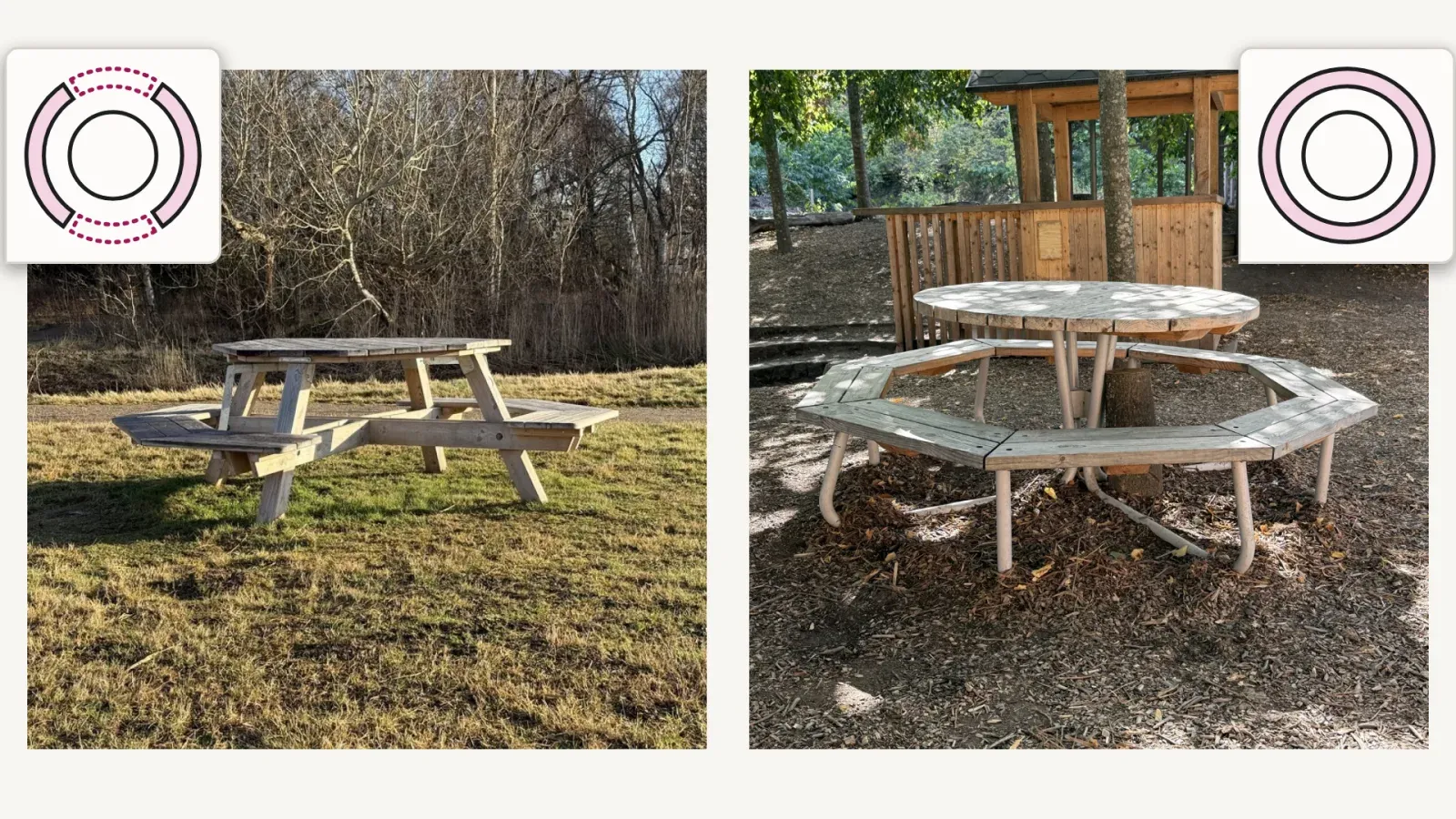
What If We Leave the Circle Open?
Summer to me means spending time outdoors. Having a break now and then. Dwelling. But where? Some furniture is like open arms, waiting for you. Some is closed, leaving no openings.
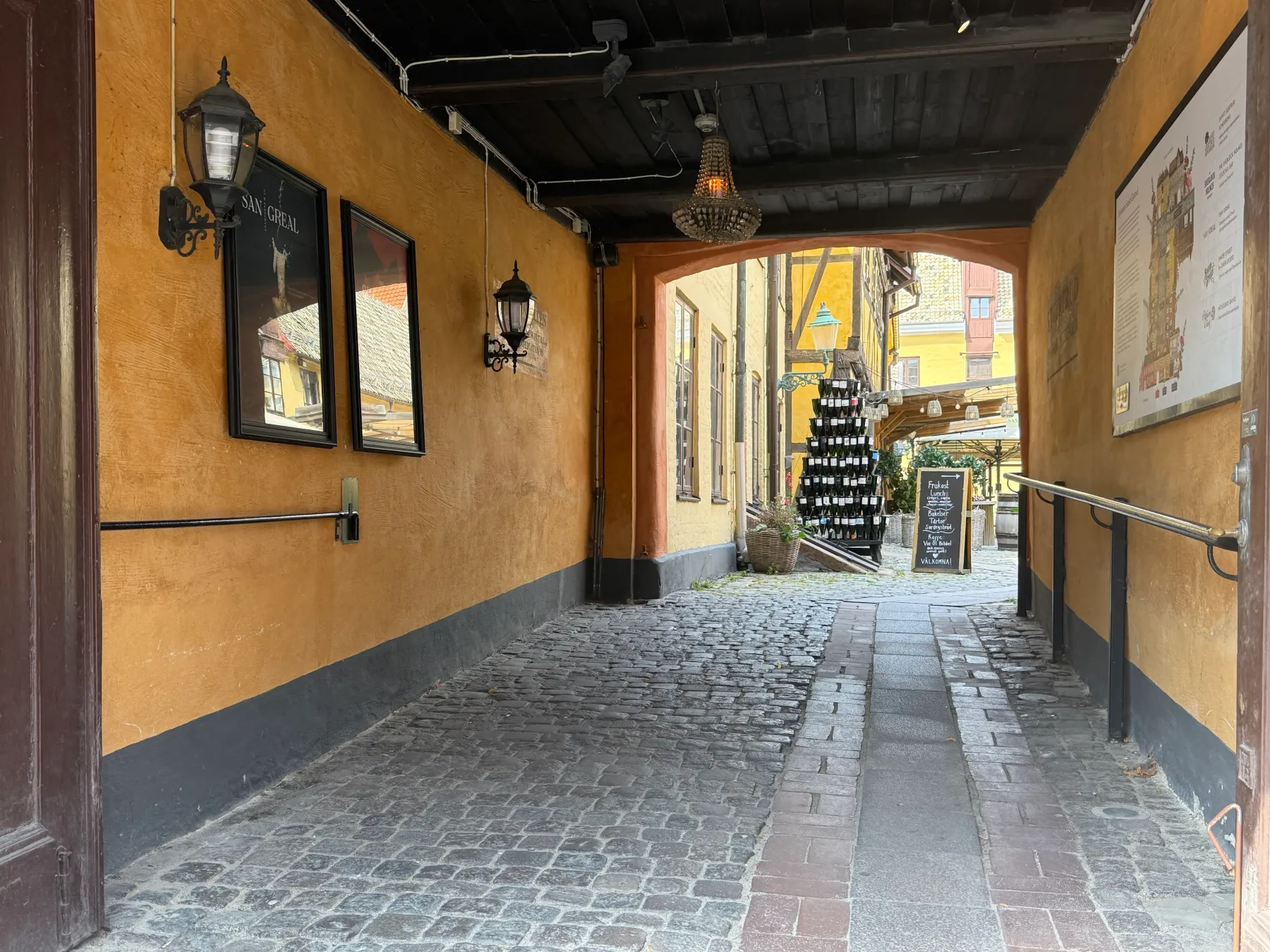
Design Can Protect and Support Dignity, But Not Create It
Every person has inherent worth and dignity simply by being born. It exists whether or not design acknowledges it. But every design decision can either recognise and support that existing dignity, or undermine and violate it.
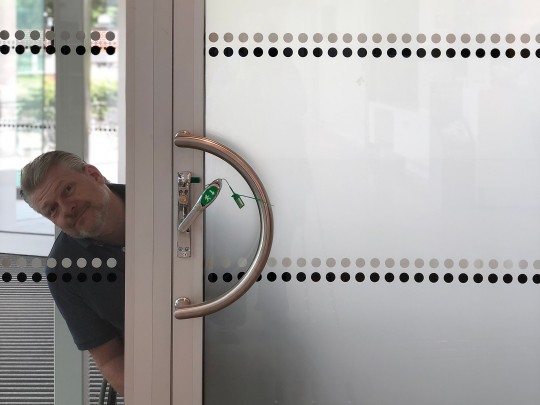
The Lazarus Door – What Inclusion Actually Is
I recently saw Wake Up Dead Man – A Knives Out Mystery. It was a good film, and one thing in particular stayed with me: the Lazarus door to the Wicks' mausoleum. It took me until the day after to figure out why I couldn't let go of that do…
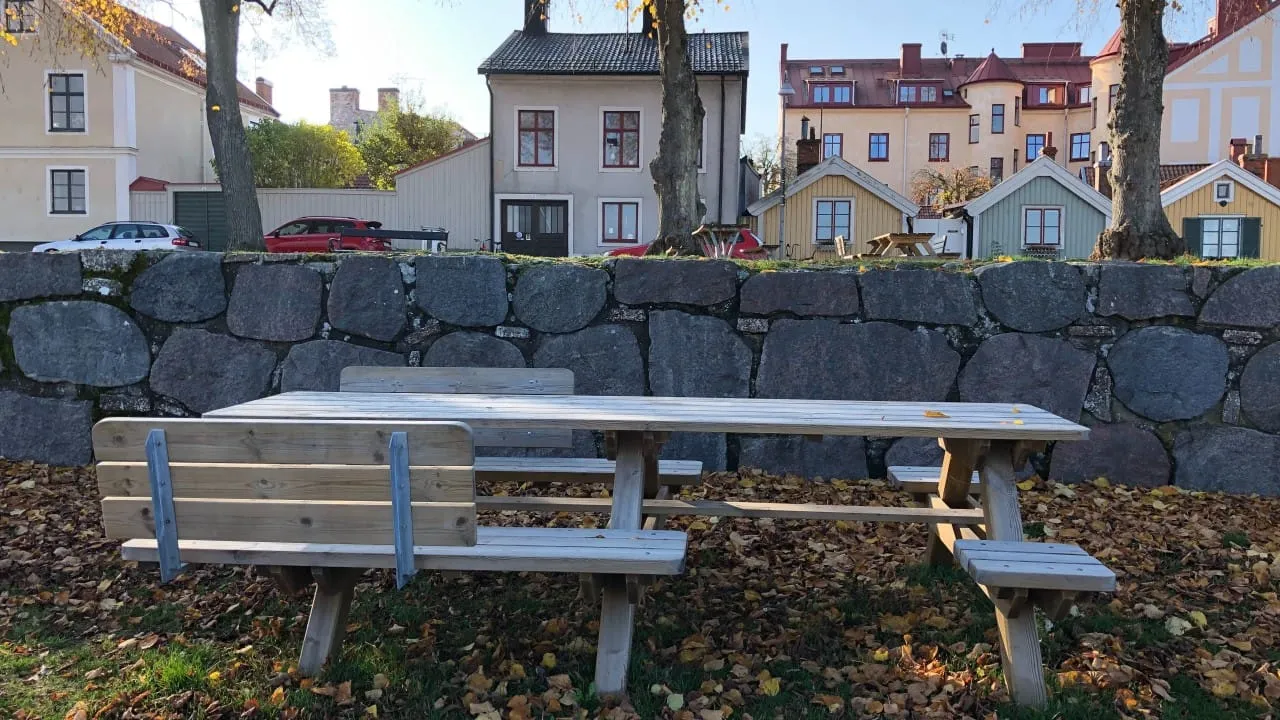
Spring Challenge – Can You Photograph Belonging?
It is springtime in Sweden, and we are starting to spend more time outside. I have a challenge for you. The next time you go for a walk, look at the spaces around you, and try to photograph belonging. And if you travel, you naturally pay m…
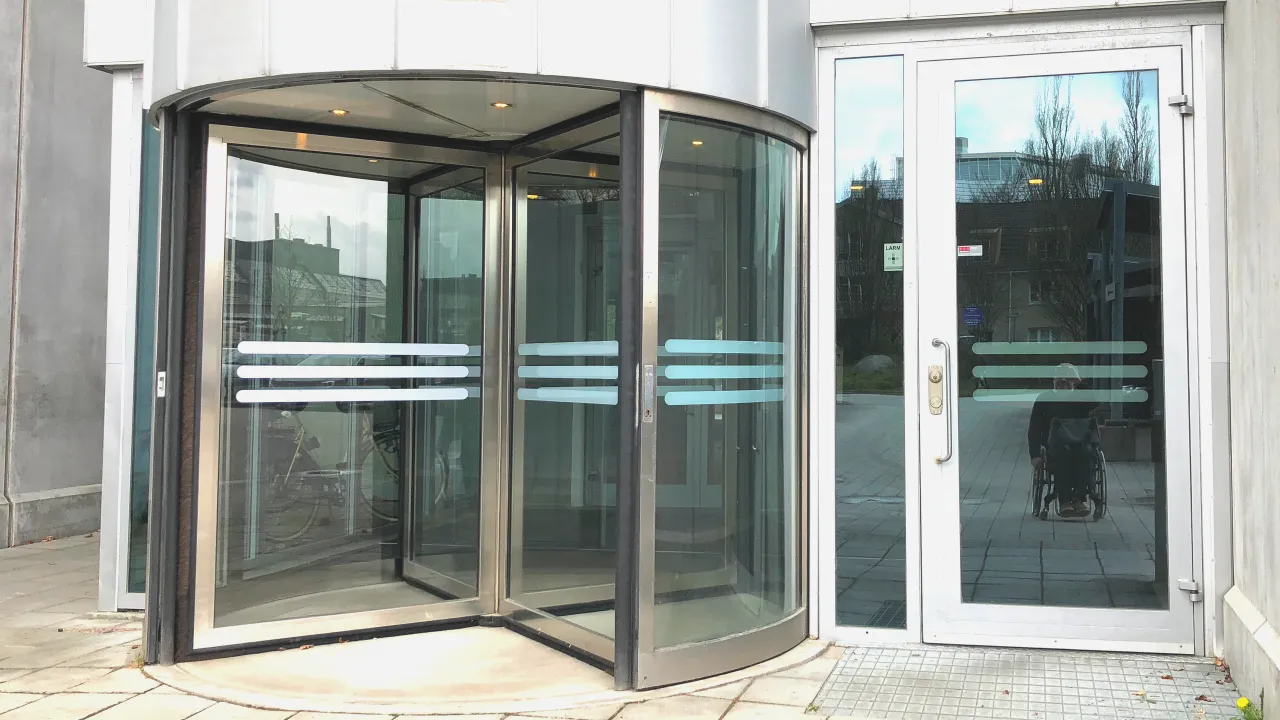
The Sign My Mind Added
I was presenting at a workshop on accessibility and universal design in museums. About twenty participants were in the room. I was in the middle of describing the entrance of the building where I had worked for years, the Ingvar Kamprad De…
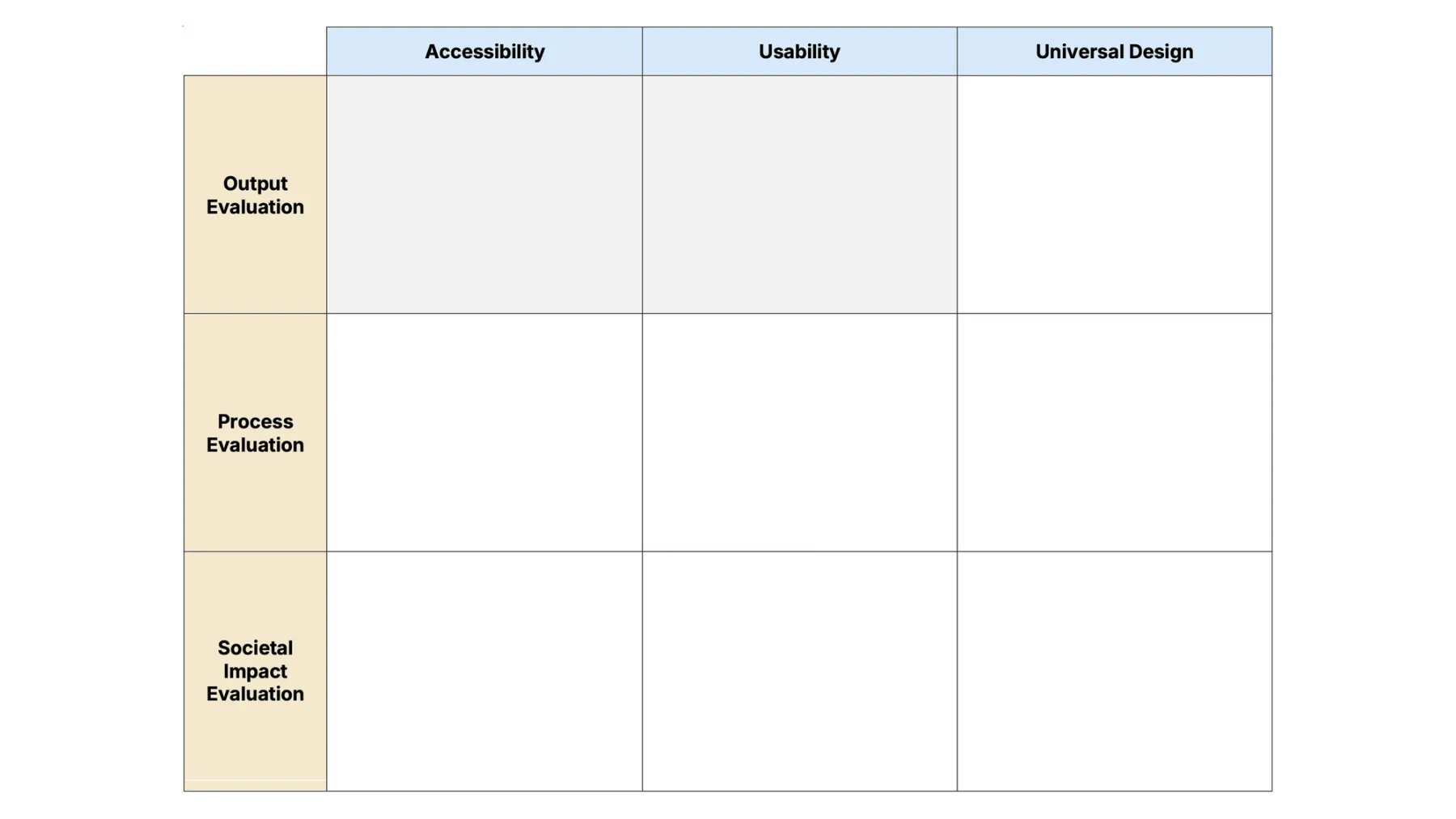
Benchmarking Universal Design – Are We Looking in the Right Place?
Have you ever found yourself in a situation where you started to discuss how to evaluate Universal Design and ended up discussing ramps and other accessibility features? I have. Many times.
New editions land in your LinkedIn inbox. Subscribe to follow along, or browse everything I have written.
Activities you can run yourself
Workshops & experiments you can run.
These are field exercises from my own teaching and research: a phone recording what cobblestones do to a wheelchair, a photographic question about belonging, the workshop I run in my design classes. Each comes with instructions, so you can run them with your class, your team, or on your own.
- Experiment
The Phone Vibration Study
A smartphone strapped to a wheelchair records what cobblestones do to a body.
- Experiment
The 360-Degree City Walk
A city from eye height, a 360 degree bubble to explore in every direction at once.
- Experiment
The Surface Audio Recording
Pickup microphones make the difference between surfaces something you can hear.
- Exercise
Can You Photograph Belonging?
One question, a camera, and a belonging score from 1 to 5.
- Workshop
The Universal Design Photo Workshop
Photograph what aligns with or breaks with Universal Design, then compare with your colleagues’ or classmates’ examples.
Key ideas
The ideas my work revolves around.
The ideas I keep coming back to. Together, they are how I think about design, categorisation, and belonging.
- 01
Universal Design
The field I work in. Design that starts from human variation instead of adding accommodations afterwards.
- 02
Nonclusion
Design that starts from the fact that everyone already belongs.
- 03
Categorisation
How the sorting of people shapes (and limits) what gets designed.
- 04
“Us” and “them”
A way to see whether a design divides people or refrains from it.
- 05
Benchmarking Universal Design
What it would take to measure Universal Design.
Read deeper
Papers to start with, if you want the longer version.
The full publications list is on the CV page. Start with these five: where nonclusion first appeared in print, where the problem with inclusion is set out, the study behind the word disablised, and where the Activity Diamond and the harmonised model of accessibility, usability and Universal Design were laid out.
Open access where the publisher allows it.
- 01 2025
Accessibility, usability and universal design – still confusing? Harmonisation of key concepts
Disability and Rehabilitation · with Agneta Ståhl & Susanne Iwarsson
The harmonised model of accessibility, usability and Universal Design. My current projects build on it.
- 02 2024
The problem with “inclusion”? It is done to someone by someone
Universal Design 2024 (IOS Press) · with Stina Ericsson
The paper where Stina Ericsson and I set out what the problem with inclusion is.
- 03 2024
Disablised or Ablised? Linguistic categorisations of dis/ability in Swedish print media over time
Disability Studies Quarterly · with Daniel Wojahn & Stina Ericsson
A forty-year study of 57,000 articles. The terms changed, but the thinking in with and without disability stayed. The study behind the word disablised as I use it.
- 04 2022
Towards 3rd generation universal design: exploring nonclusive design
Studies in Health Technology and Informatics · with Margaret Price, Johnna Keller & Stina Ericsson
The first appearance of nonclusion in print.
- 05 2009
The Activity Diamond: Modeling an enhanced accessibility
PhD thesis · Certec, Lund University
My doctoral thesis. The model behind the distinction between planned and lived accessibility, from 2009.
About
Hi, I’m PeO. 👋
I am Per-Olof Hedvall, PhD, Professor of Design at Mid Sweden University and Bevica Guest Professor in Universal Design at Kolding School of Design. I study categorisations of “us” and “them” in design and policy, and how accessibility, usability, and Universal Design can help us move beyond that sorting.
This site is a space for sharing resources, thinking aloud, and connecting dots with other people. Here, you can explore my research, teaching, and public engagement.