Photo collection: Nonclusive solutions
Design that meets variation without sorting people. Park benches, toilet signs, lifts and counters that work for whoever arrives.
-
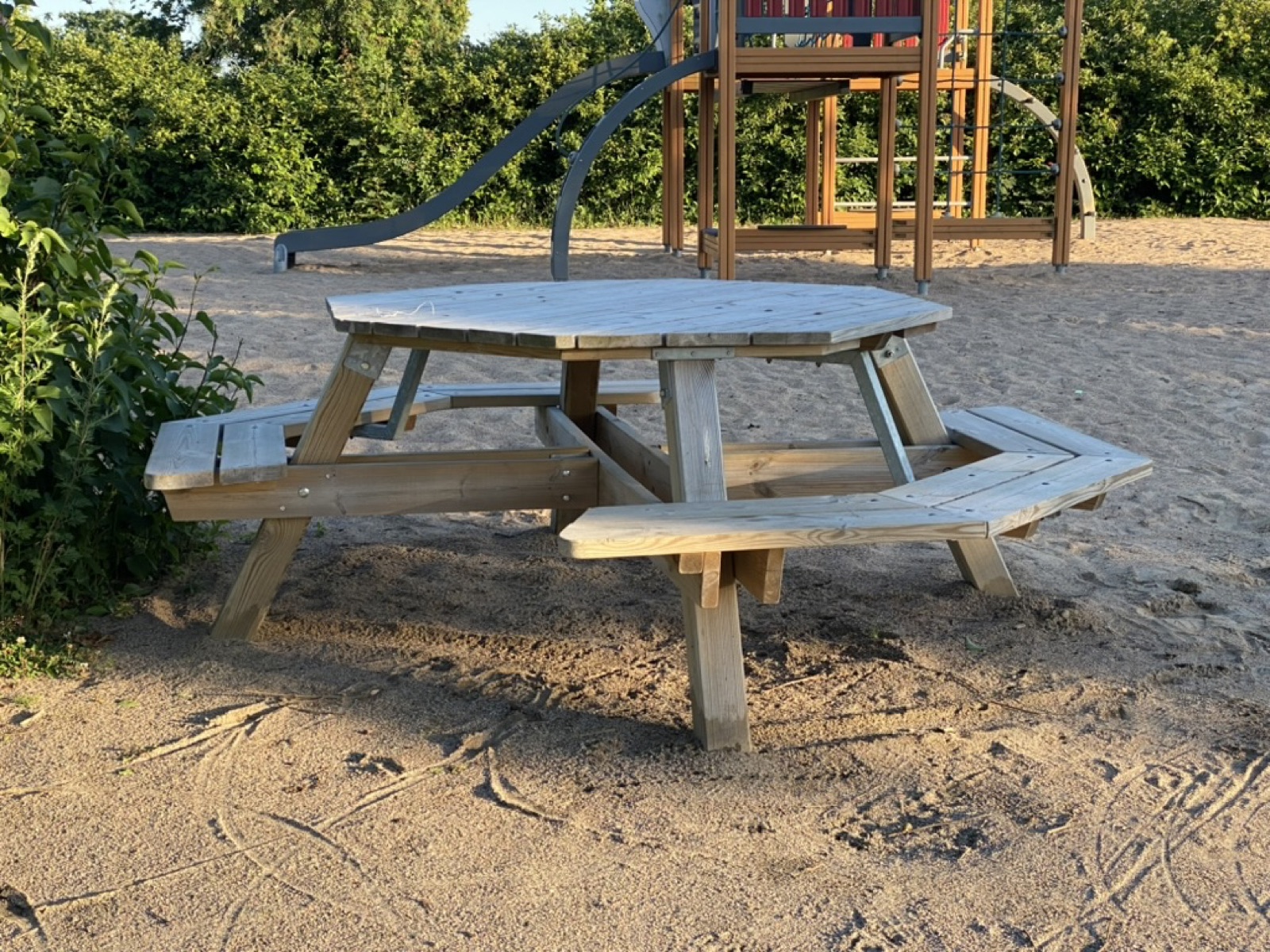
A picnic table with gaps between the benches. A wheelchair rolls in among the seats, no special place needed. Table by KPLN Design AB. Download photo -
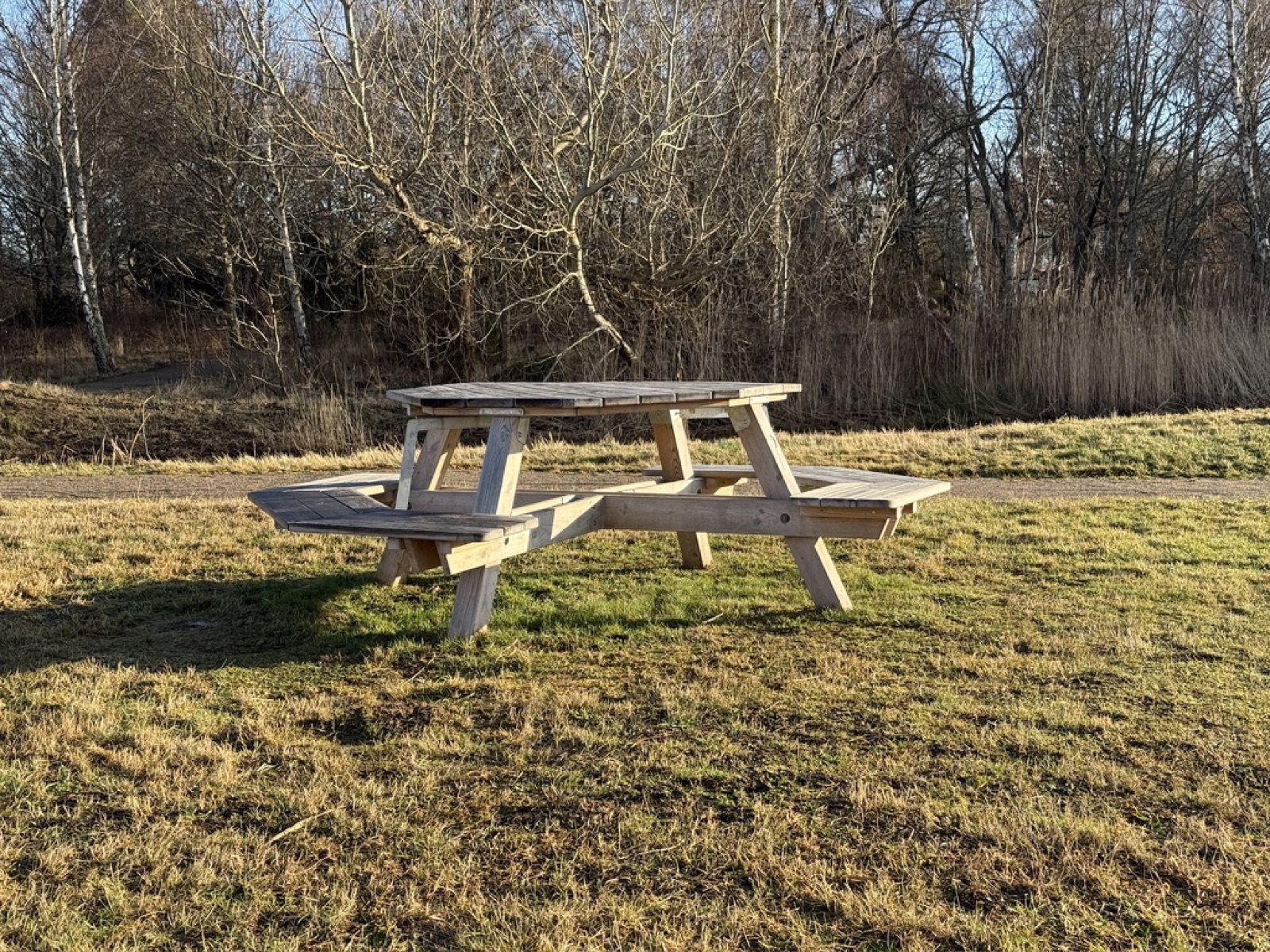
A park picnic table with open gaps between the bench sections. The gaps are for anyone who arrives on wheels, with a stroller, or with a dog. Table by KPLN Design AB. Download photo -
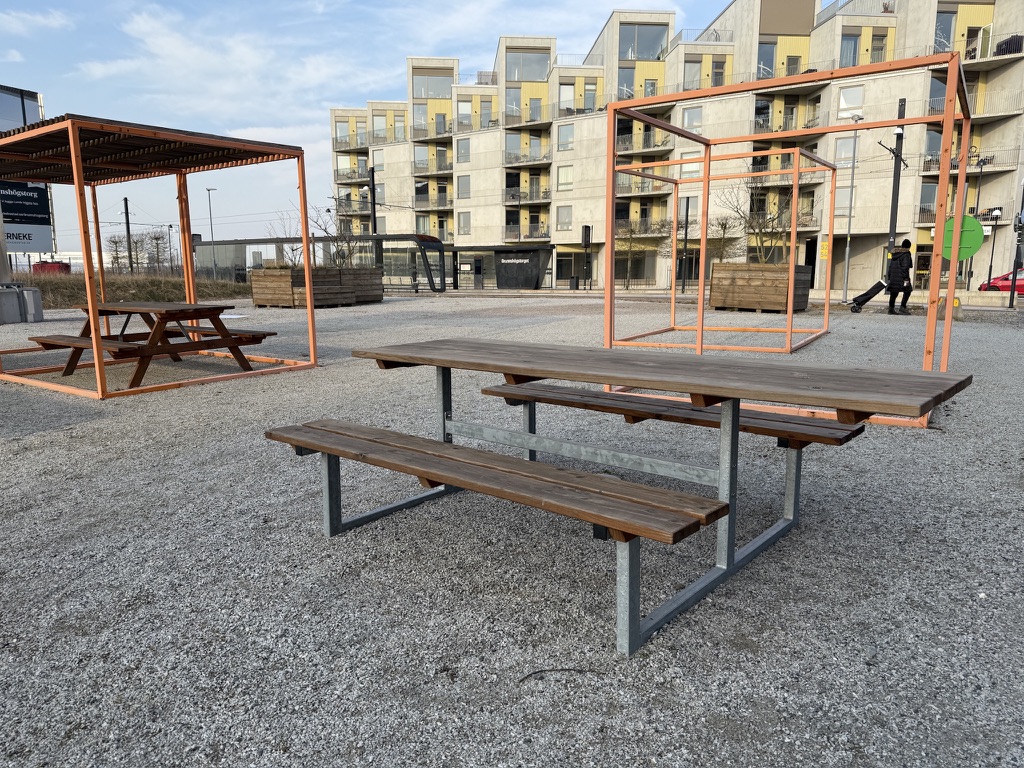
A picnic table on a housing square. The tabletop is longer than the benches at one end, so there is one open place with no bench in the way. The place is built into the standard table, not added beside it. Download photo -
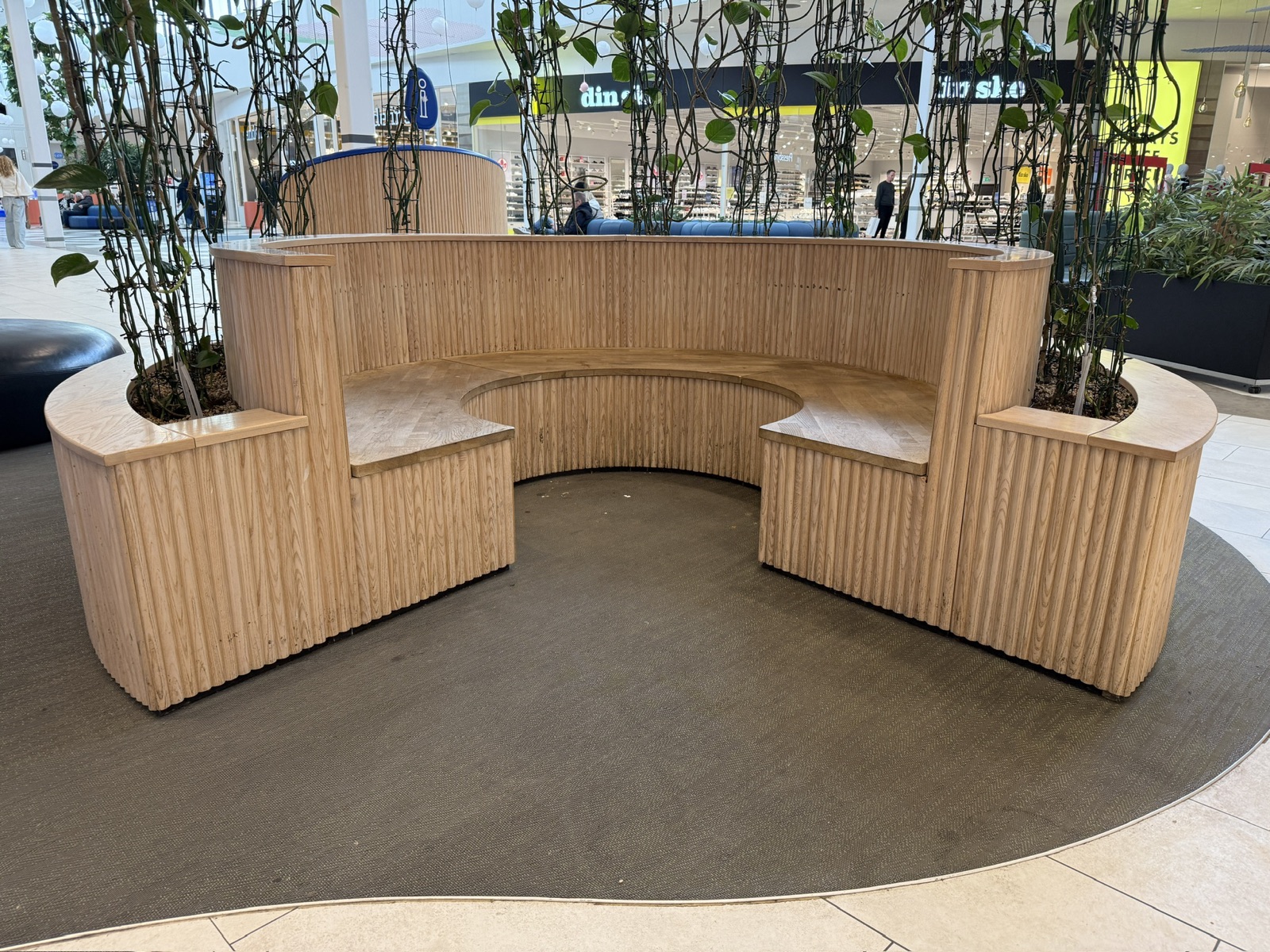
A mall bench with an open front. Sit on it, roll into it, lean on it. The open shape serves many bodies without marking a place for any of them. Download photo -
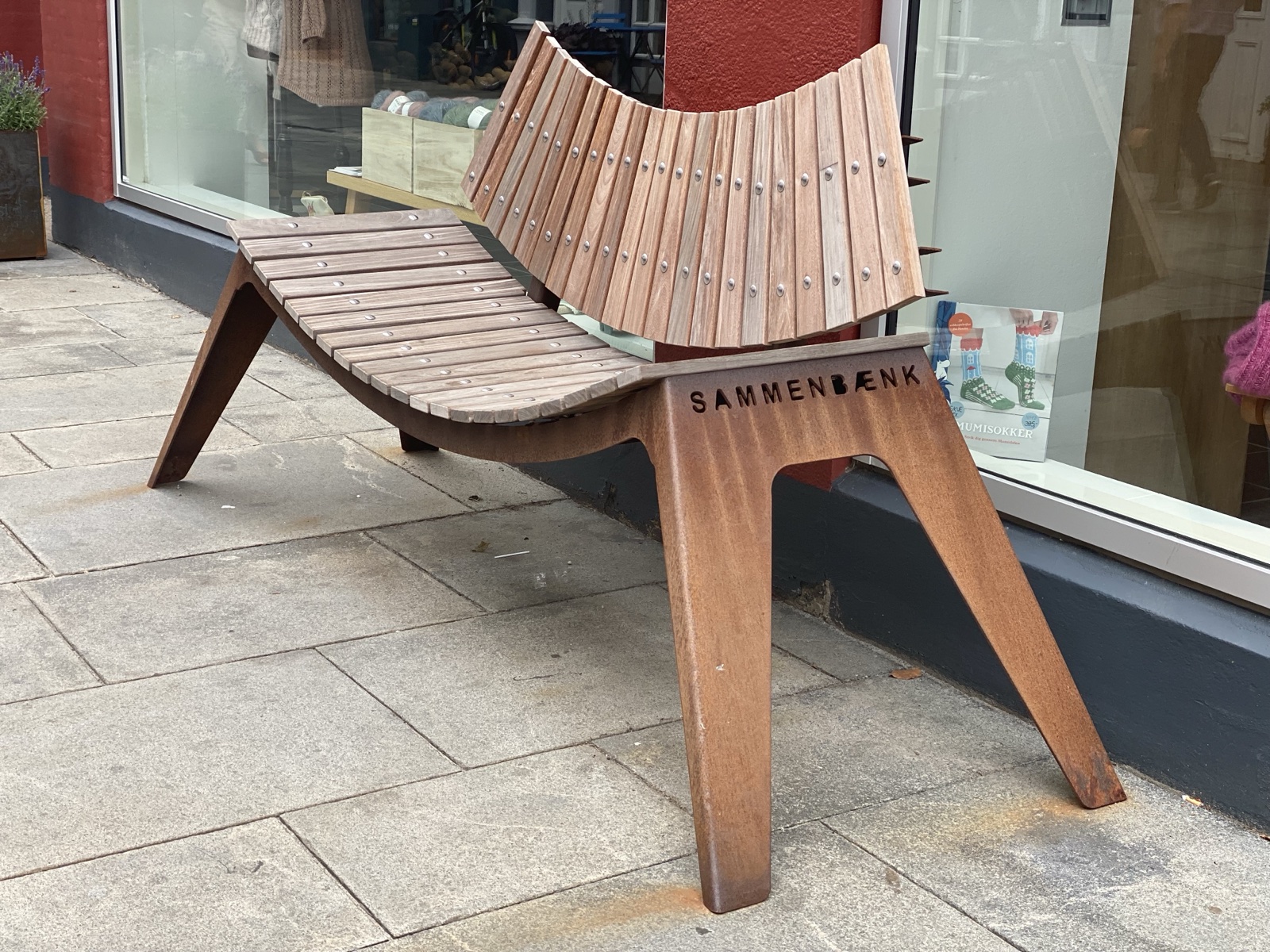
Denmark. Sammenbænk, the together-bench. One sculptural seat, lowest in the middle, that invites sitting together without naming who it is for. Download photo -
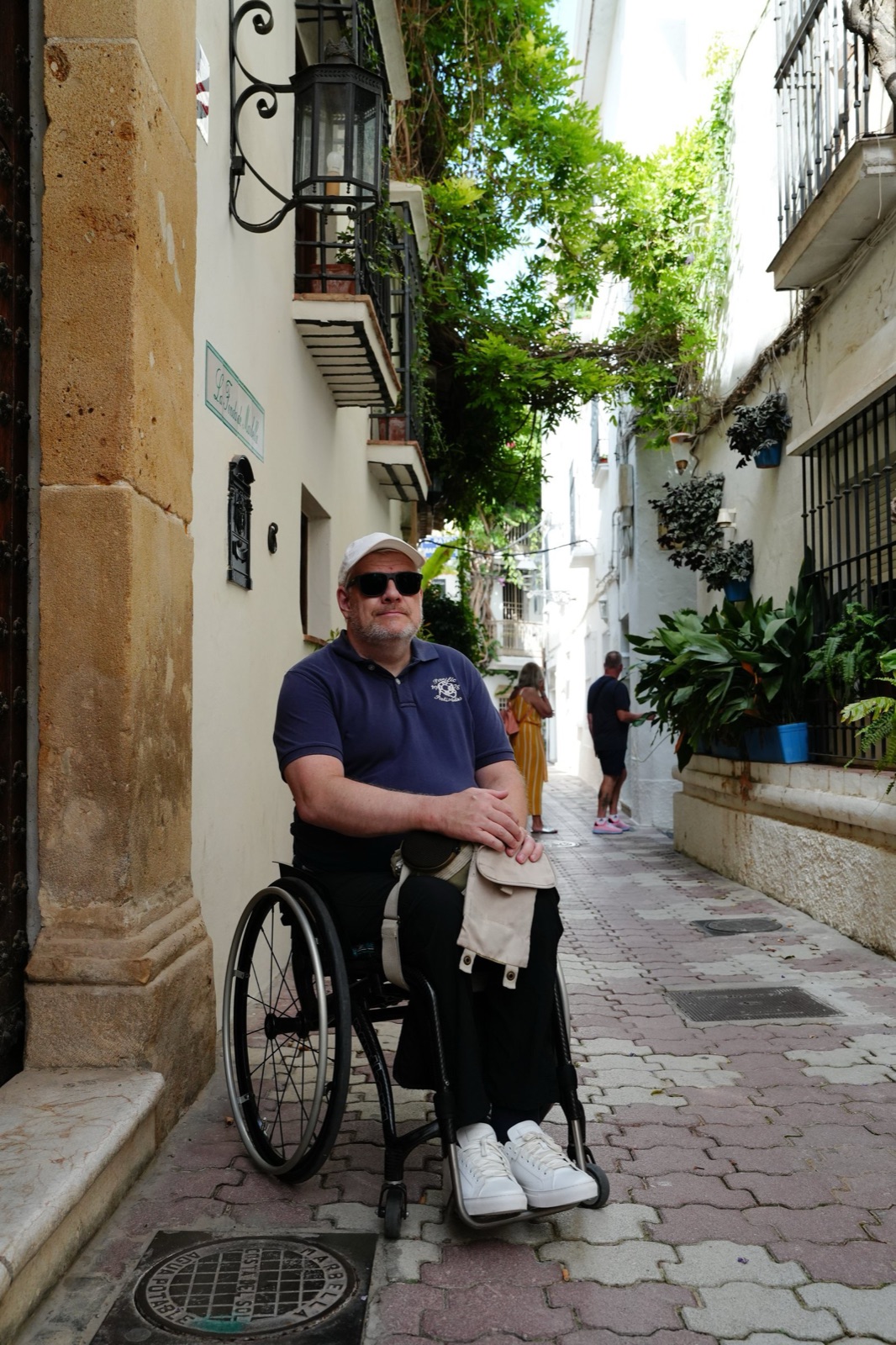
Marbella. A narrow old-town street with continuous smooth paving. The whole passage works for everyone, centuries after it was laid. No separate accessible route is needed. Download photo -
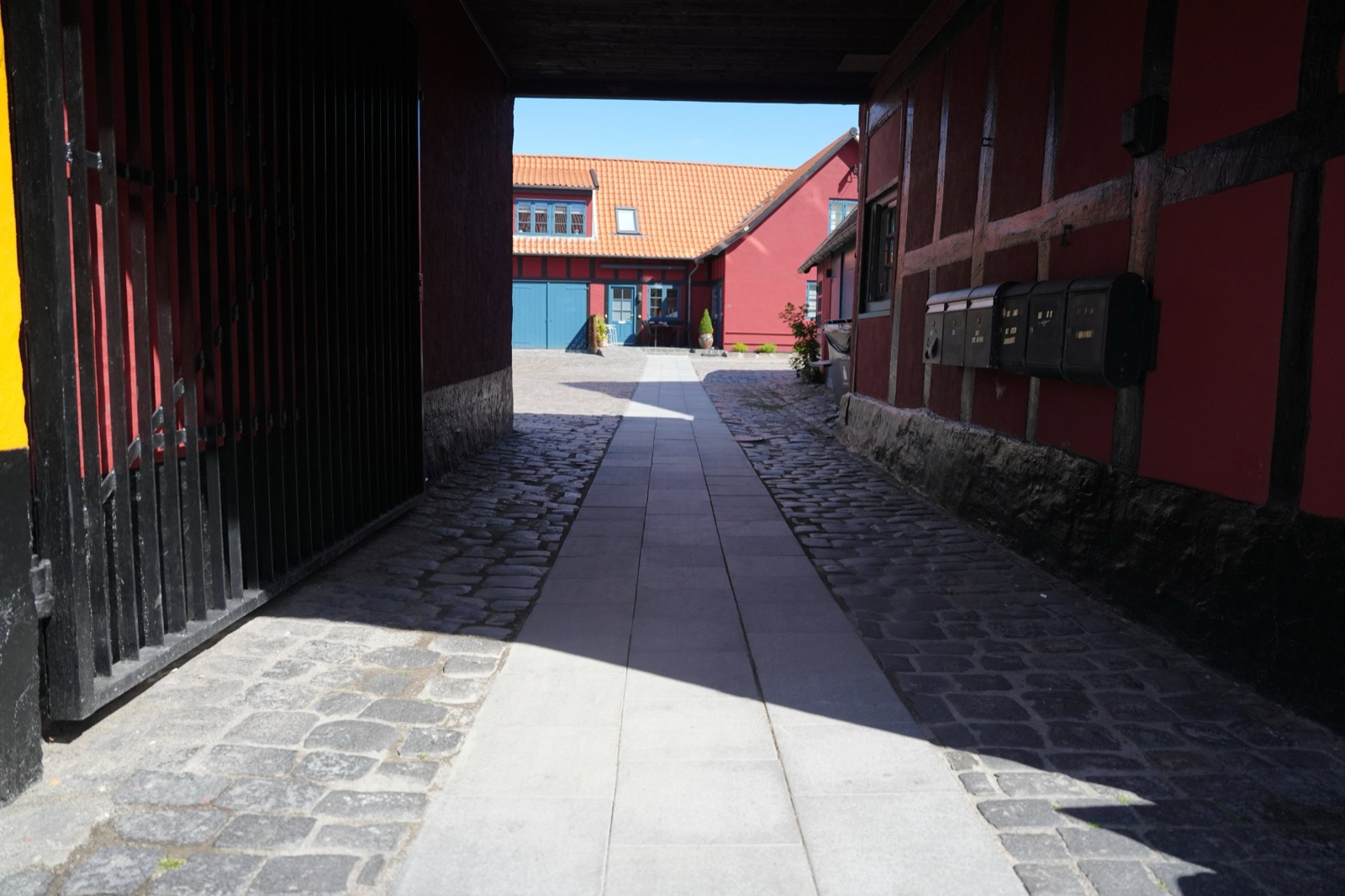
Bornholm. Cobblestones at the sides, a smooth flagstone strip through the middle. Nobody is sorted, and the old gateway keeps its character. Download photo -
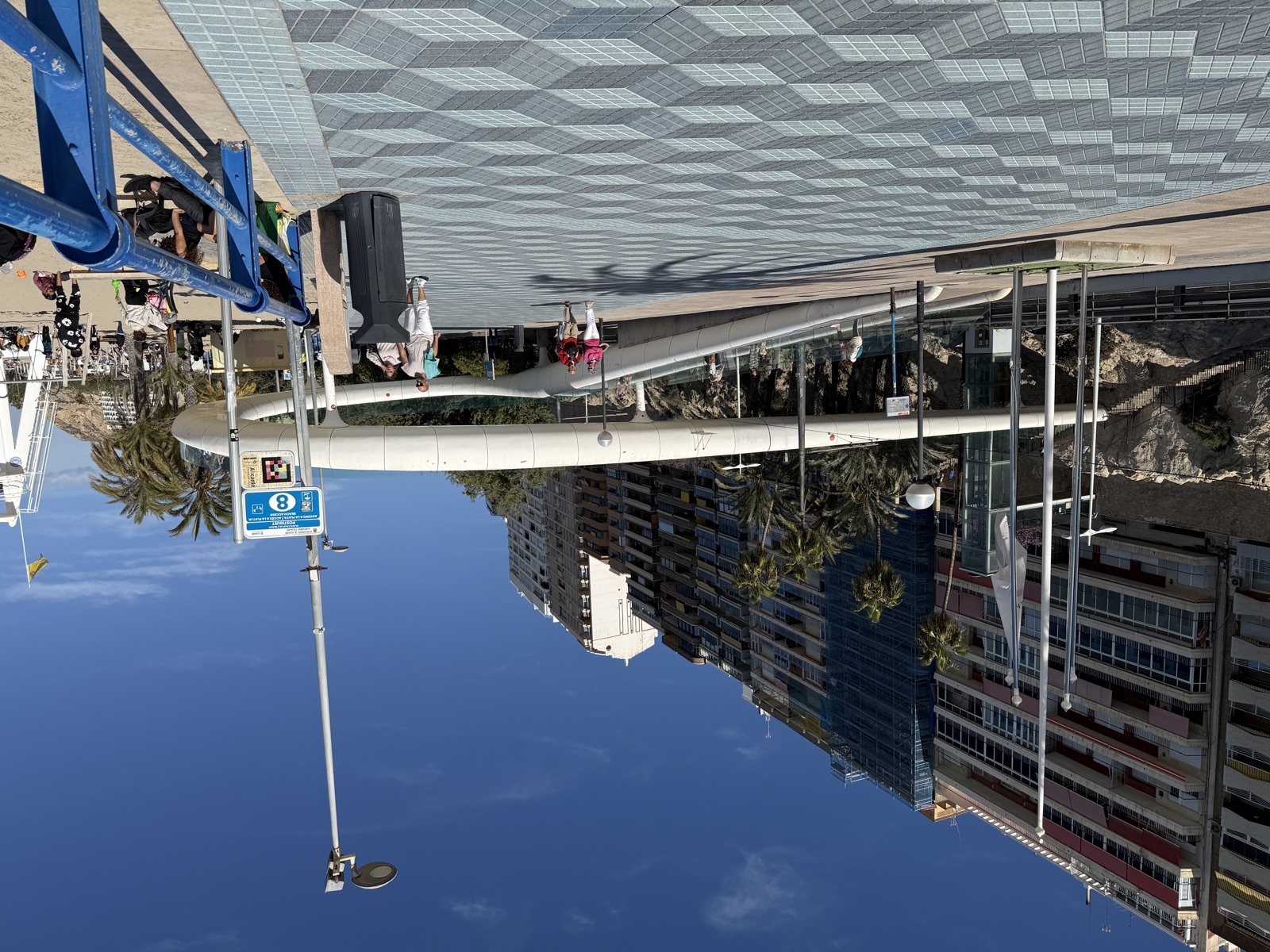
Alicante. A curving ramp over the road, carrying everyone between the two levels of the seafront promenade. The ramp is the main route, not the alternative. Download photo -
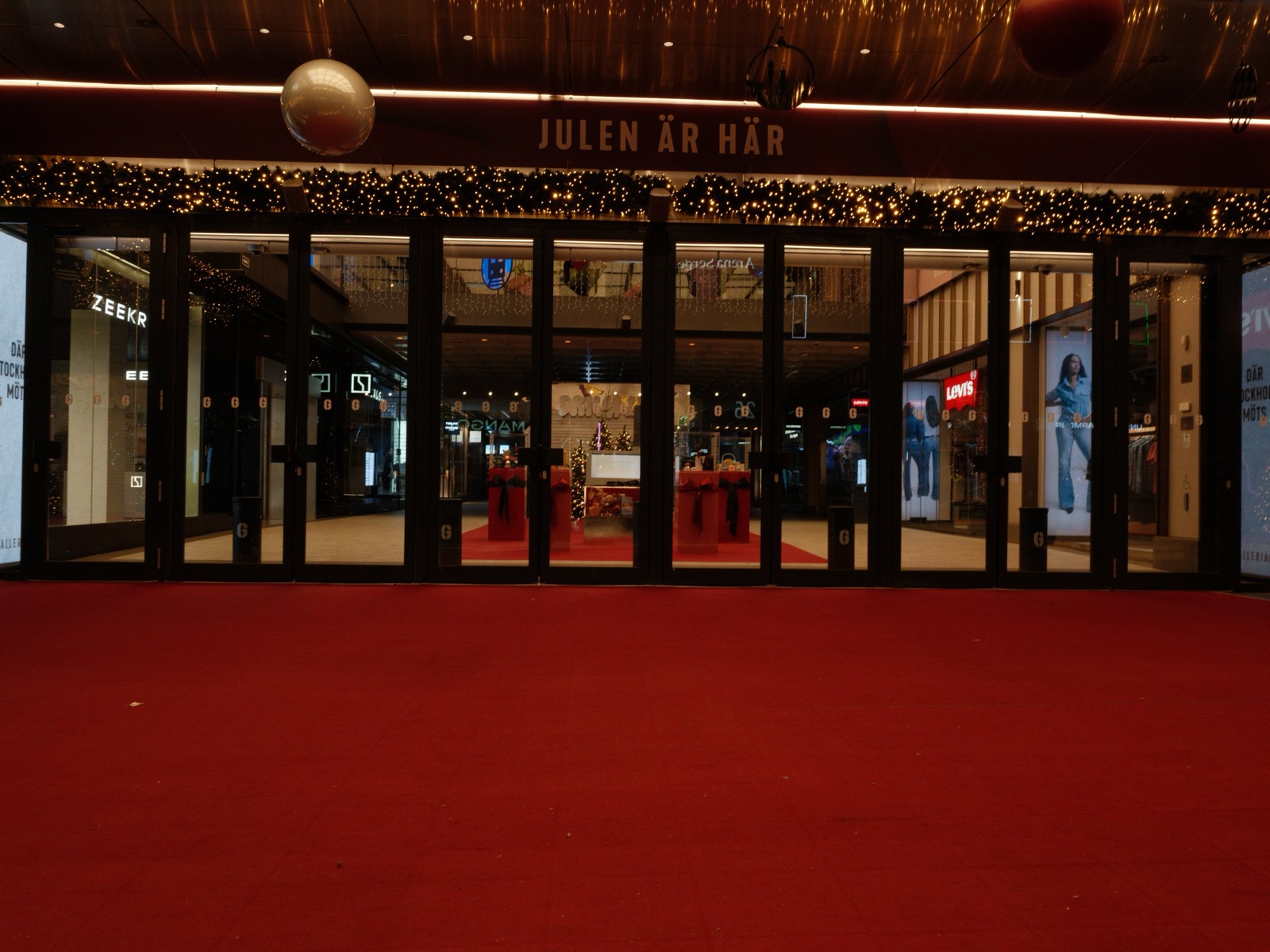
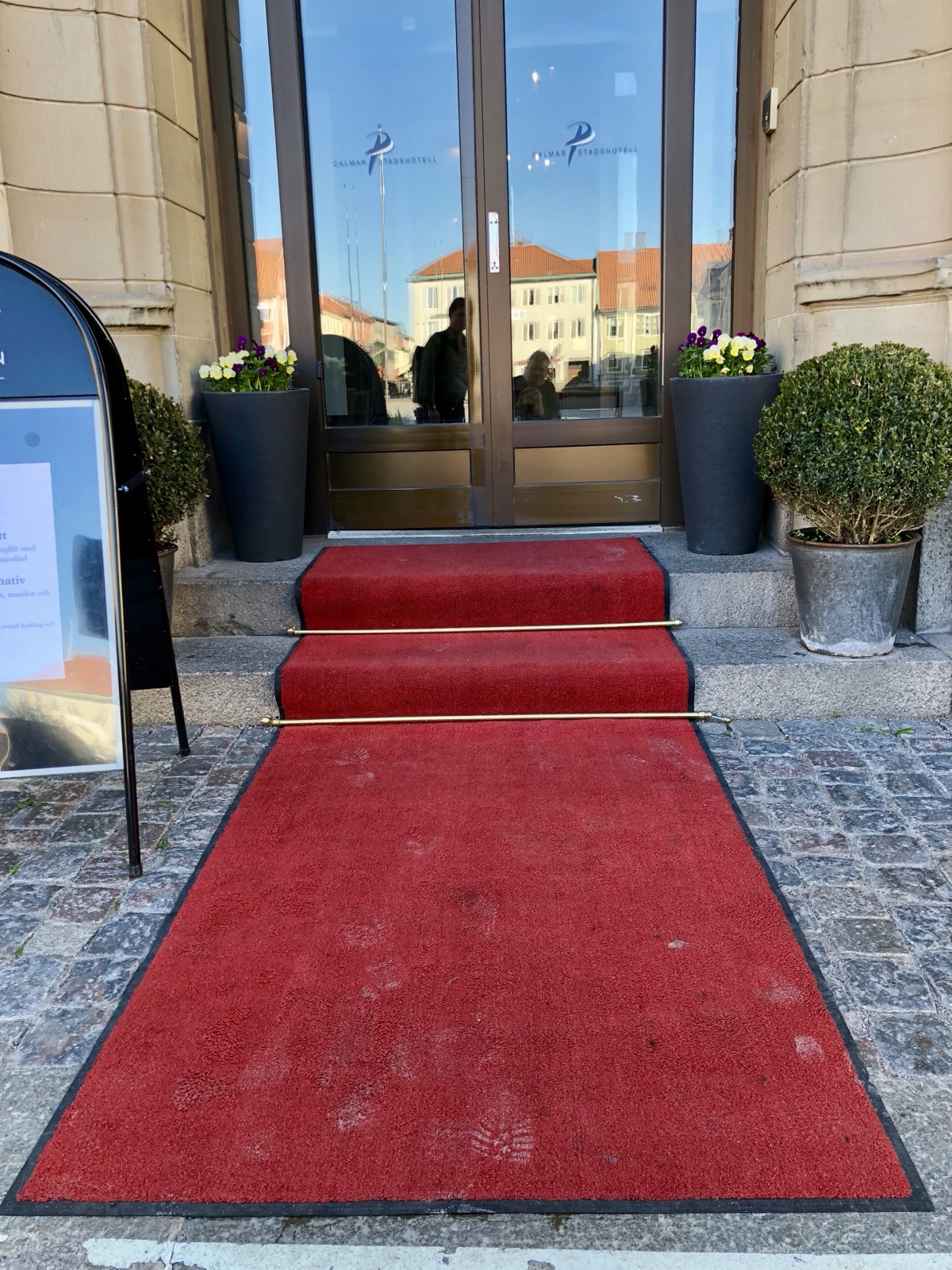
A shopping mall at Christmas. The red carpet spans the whole flat entrance, and every door opens onto it. Download photo -
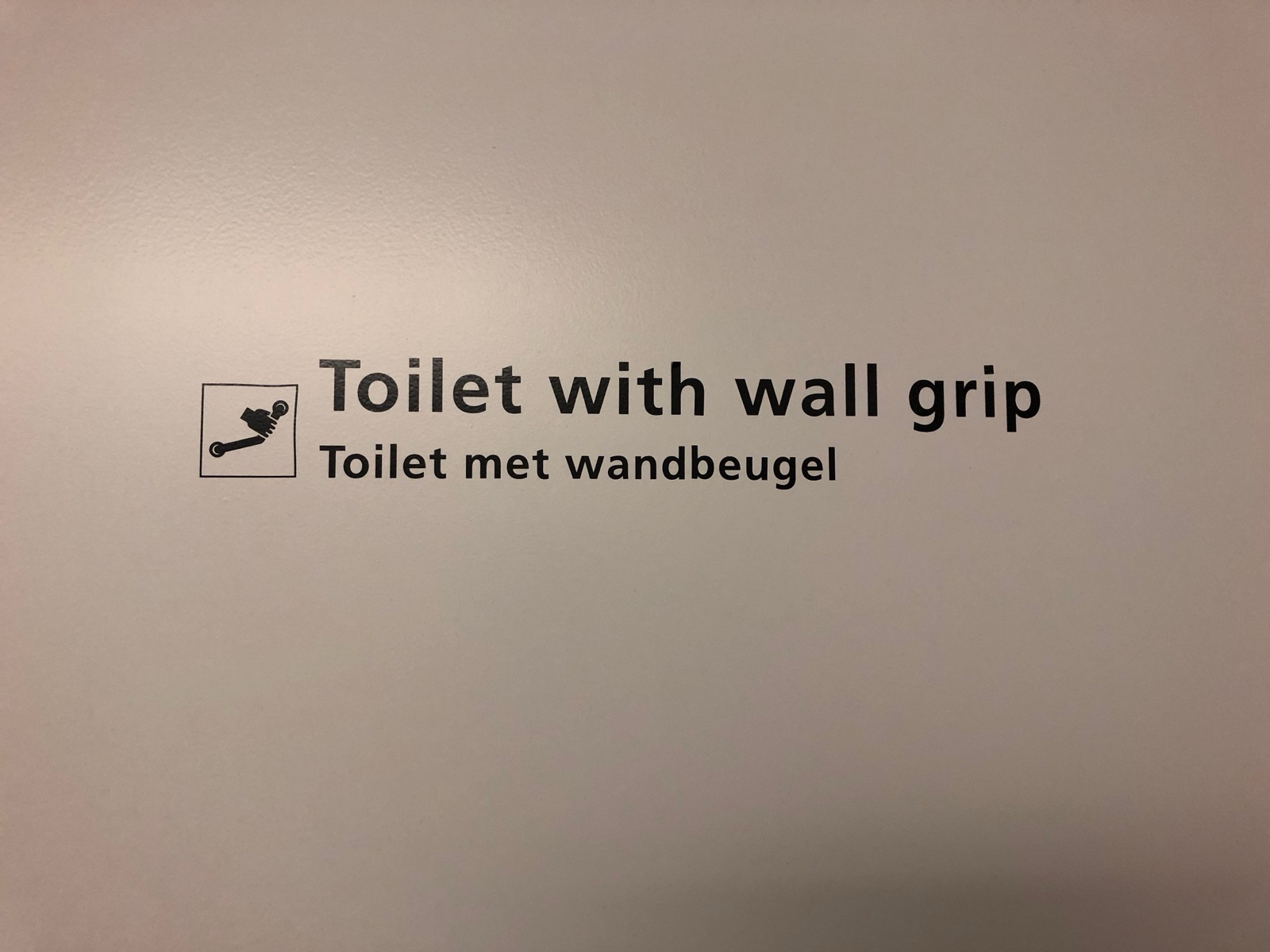
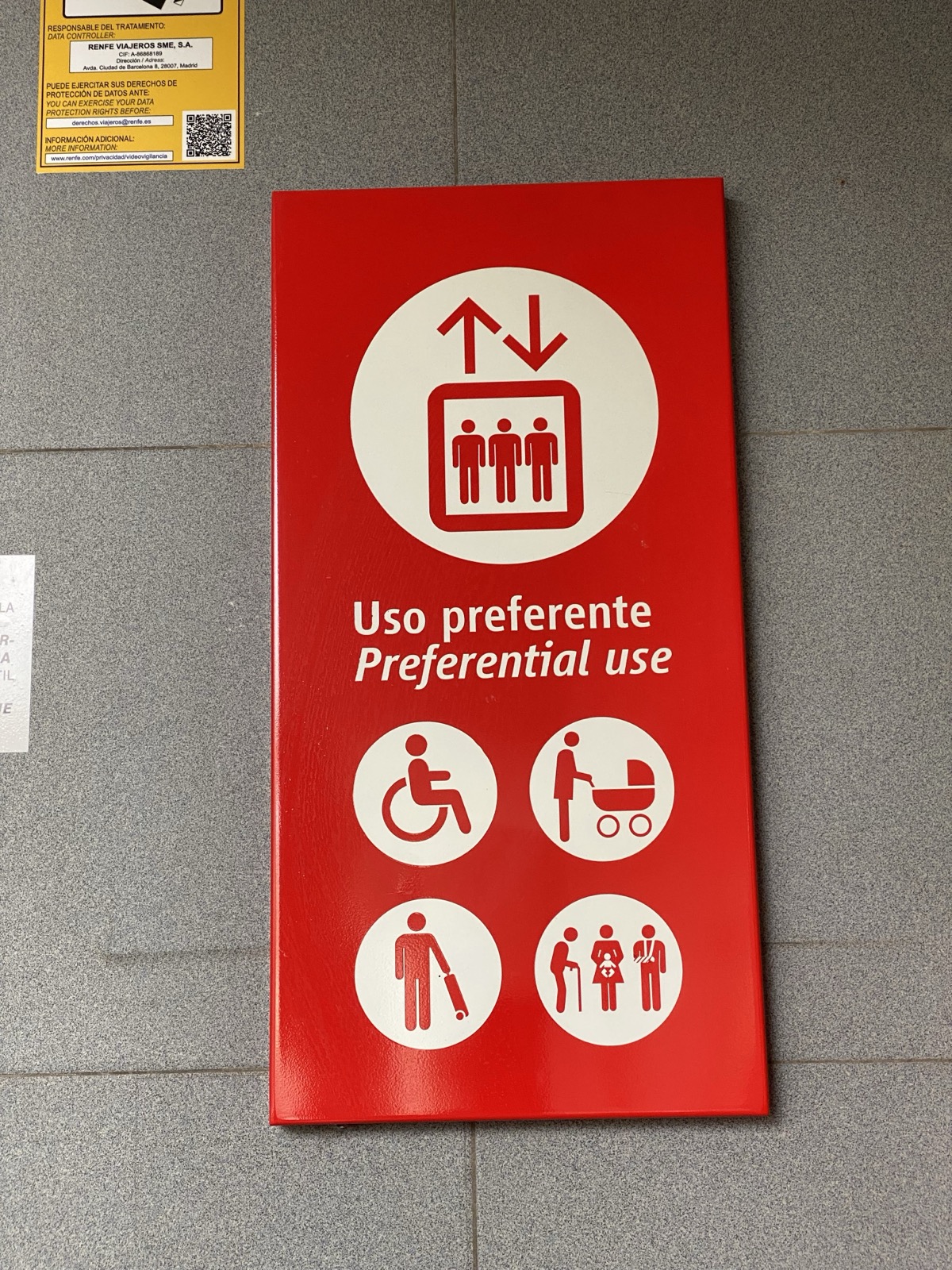
Netherlands. The sign names the feature, not the visitor. Photo: Bitte Rydeman. Download photo -
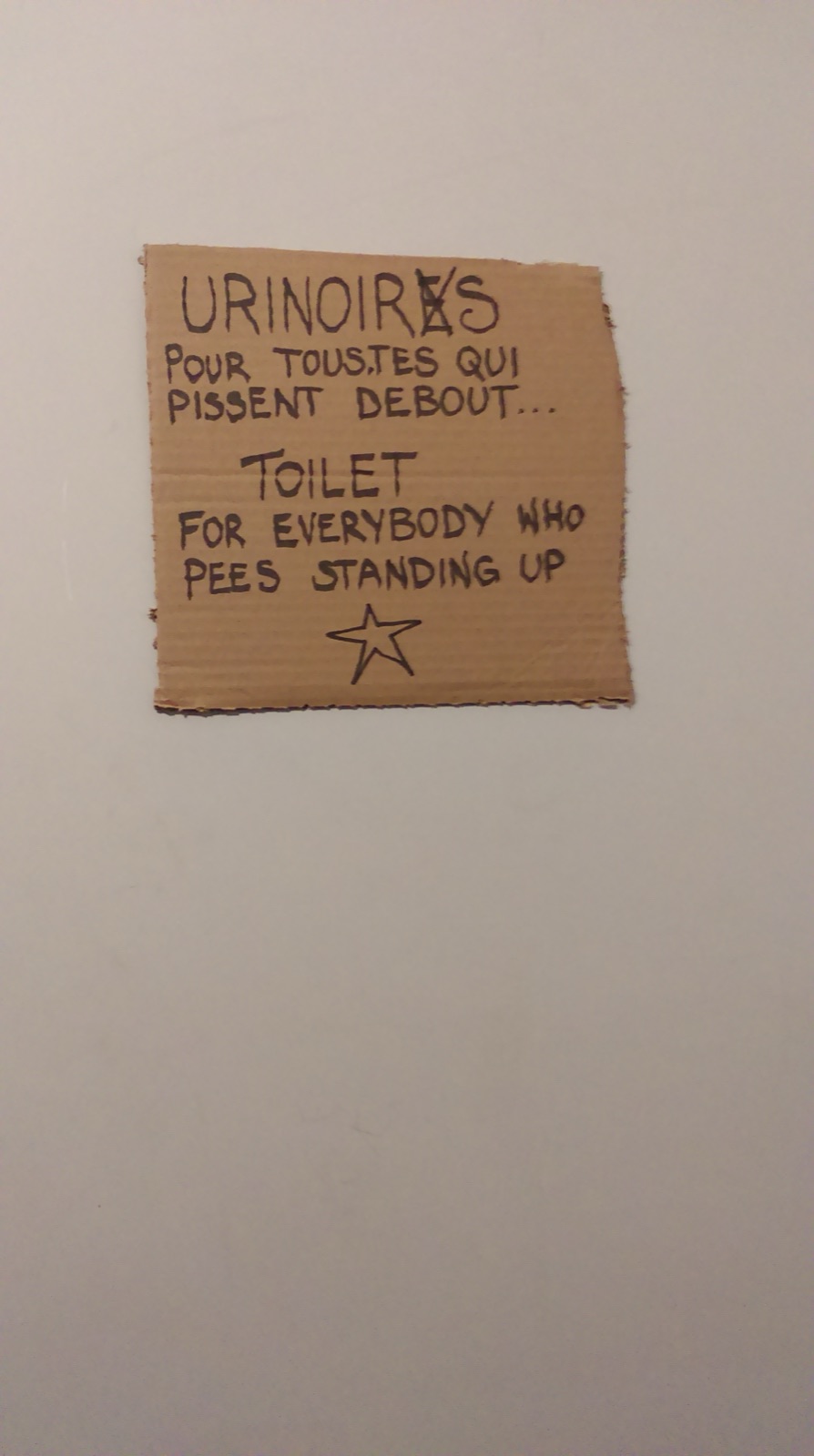
A handwritten sign that sorts by what you do, not who you are. Photo: an anonymous participant in our citizen-science studies. Download photo -
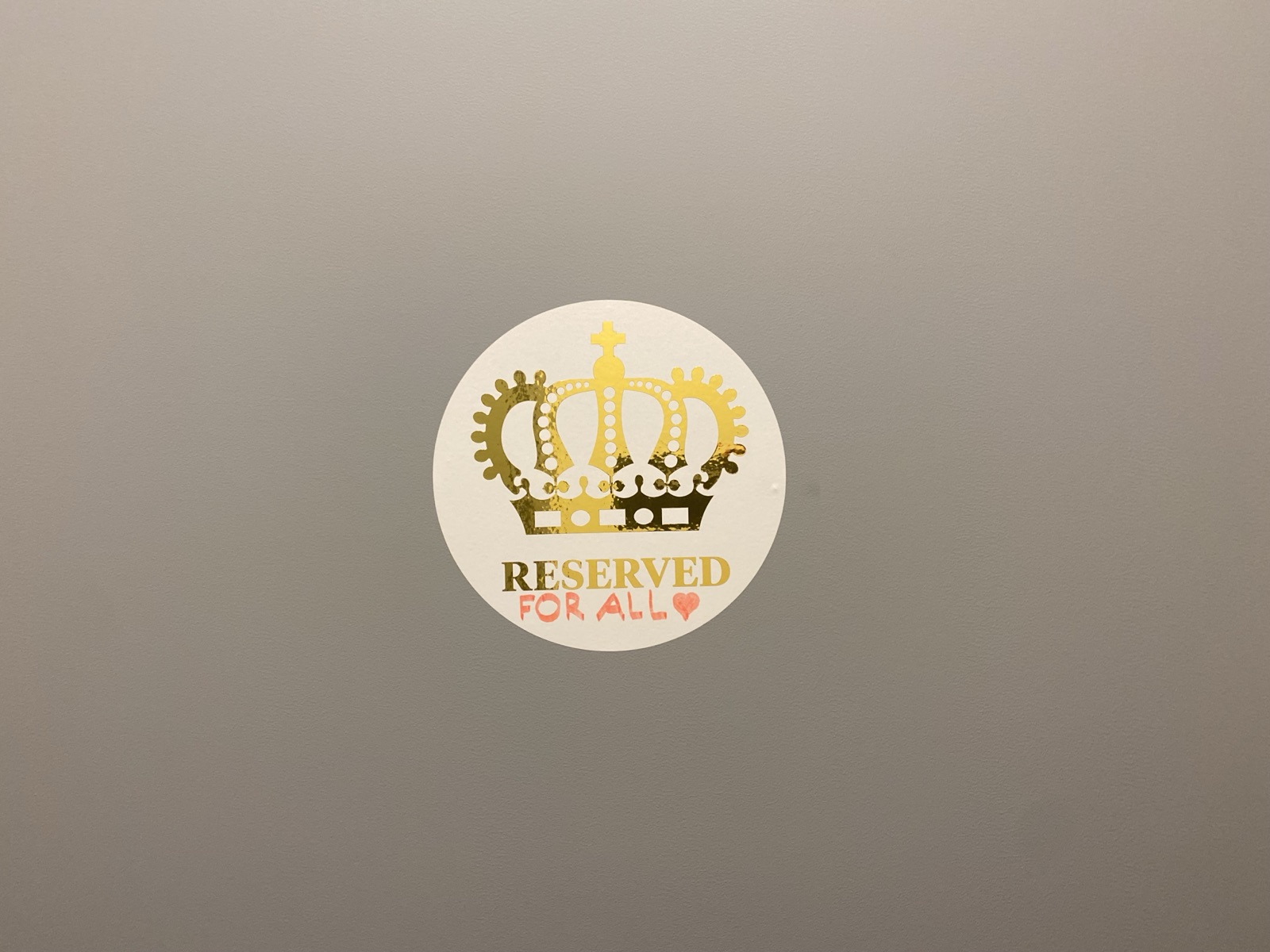
Reserved for all. A sticker that names no category. Download photo -
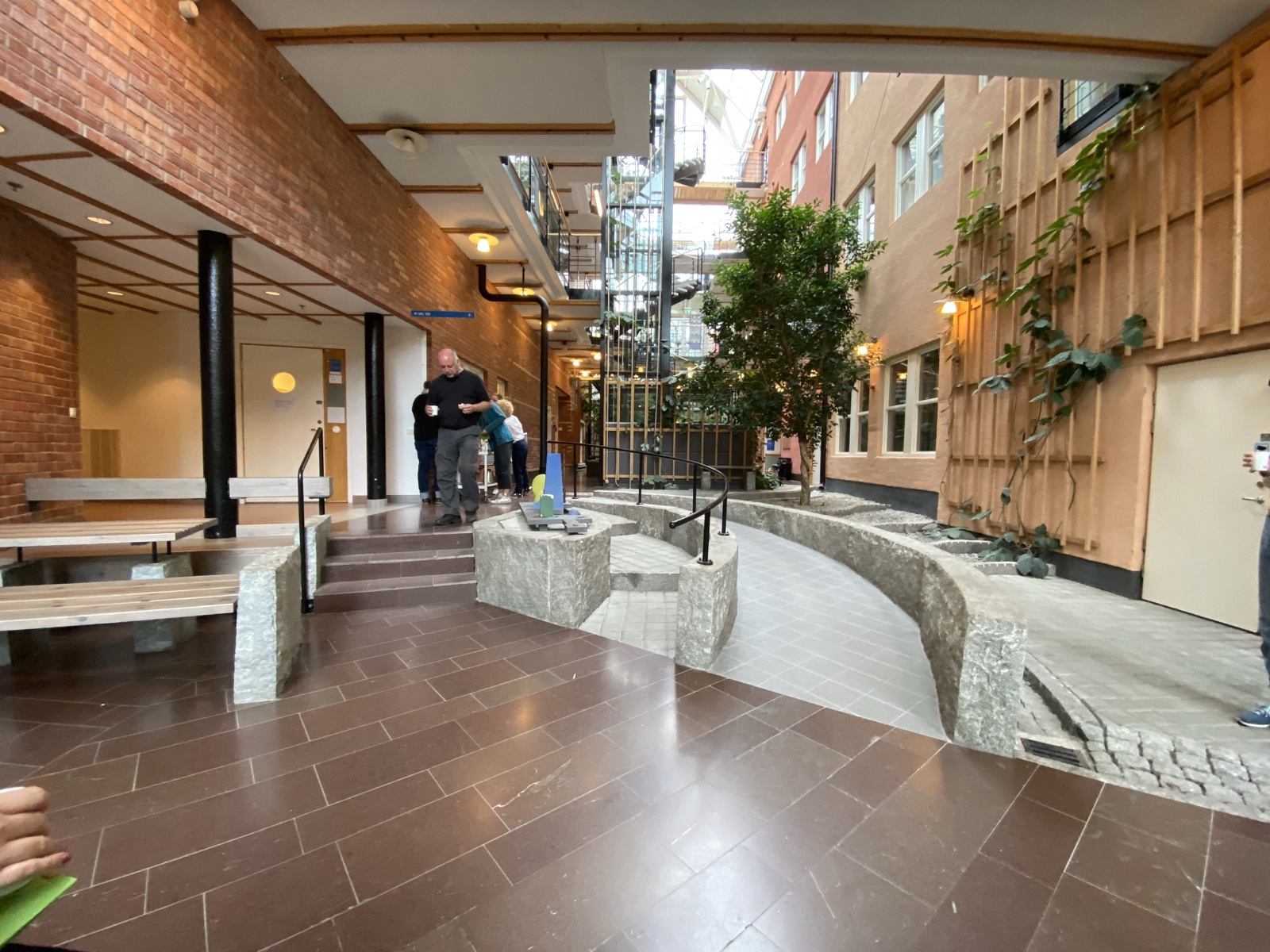
Mid Sweden University. Steps and a curved ramp built as one piece of the courtyard, so there are several ways to manage the same difference in height. No one is sent around the back. Download photo -
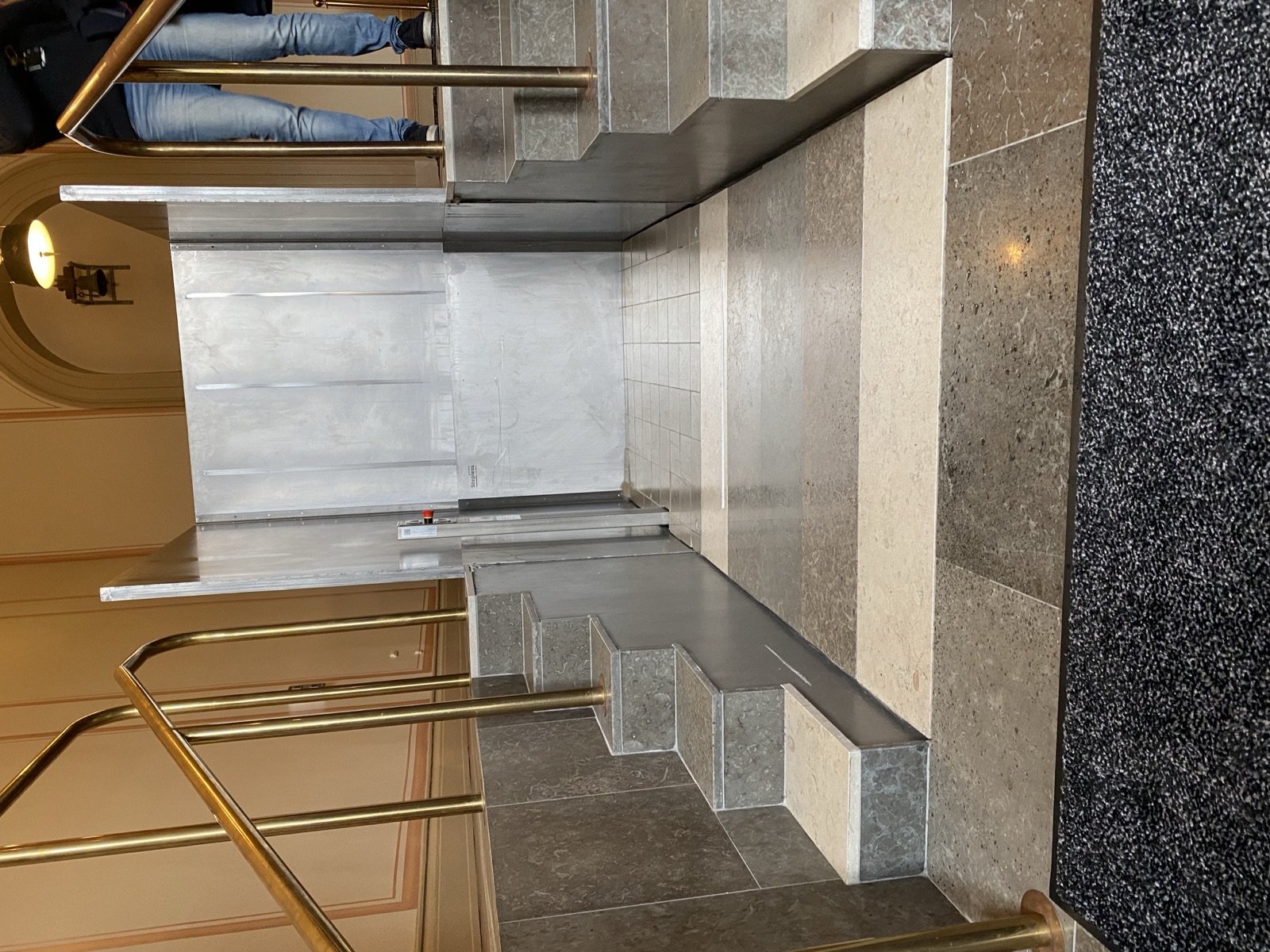
A staircase that becomes a lift. The heritage building keeps its stairs and everyone uses the same route. Download photo -
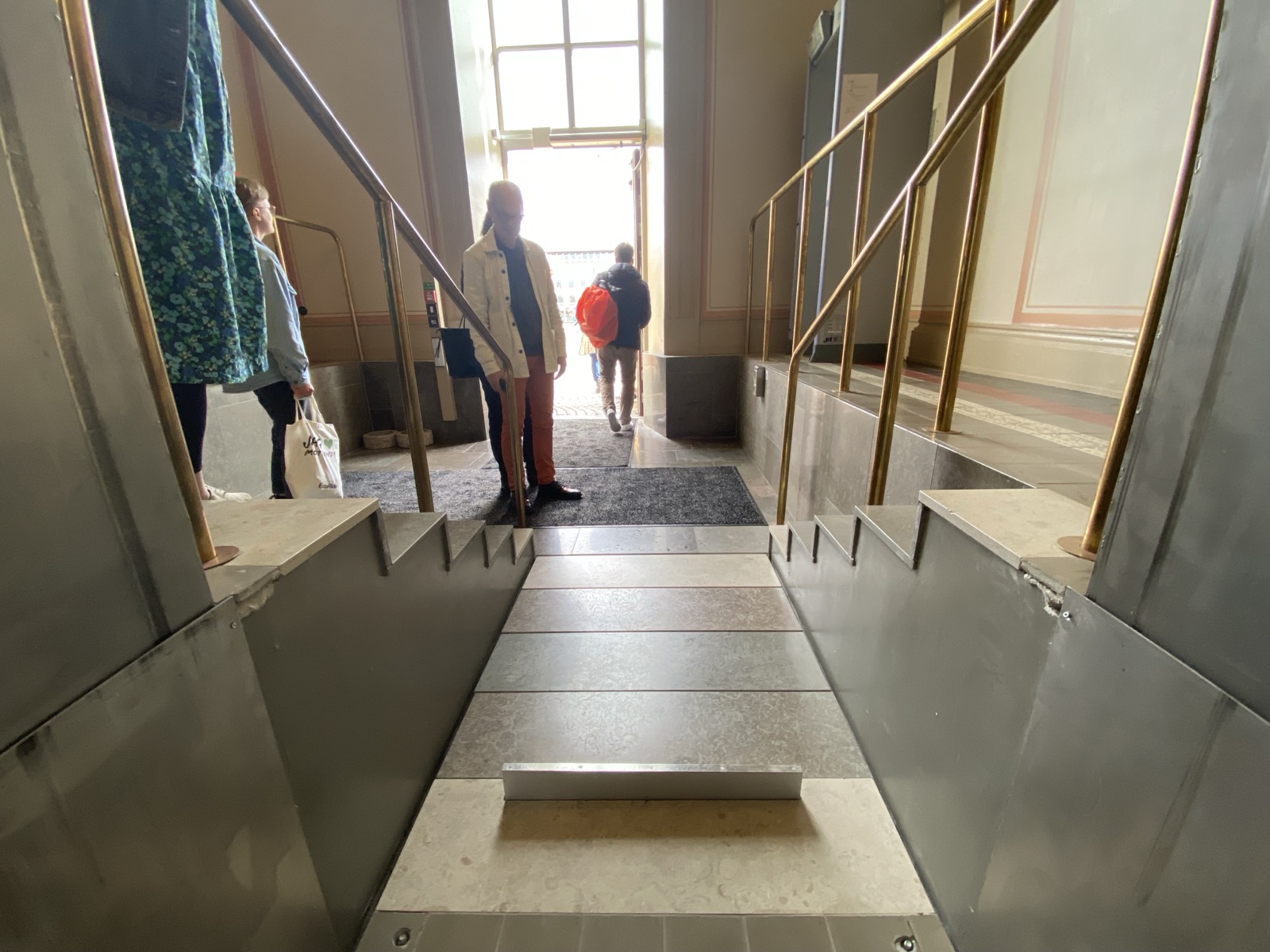
The staircase-that-becomes-a-lift in use. Adults and children take the route without giving it a thought. Nothing about it says accessibility. Download photo -
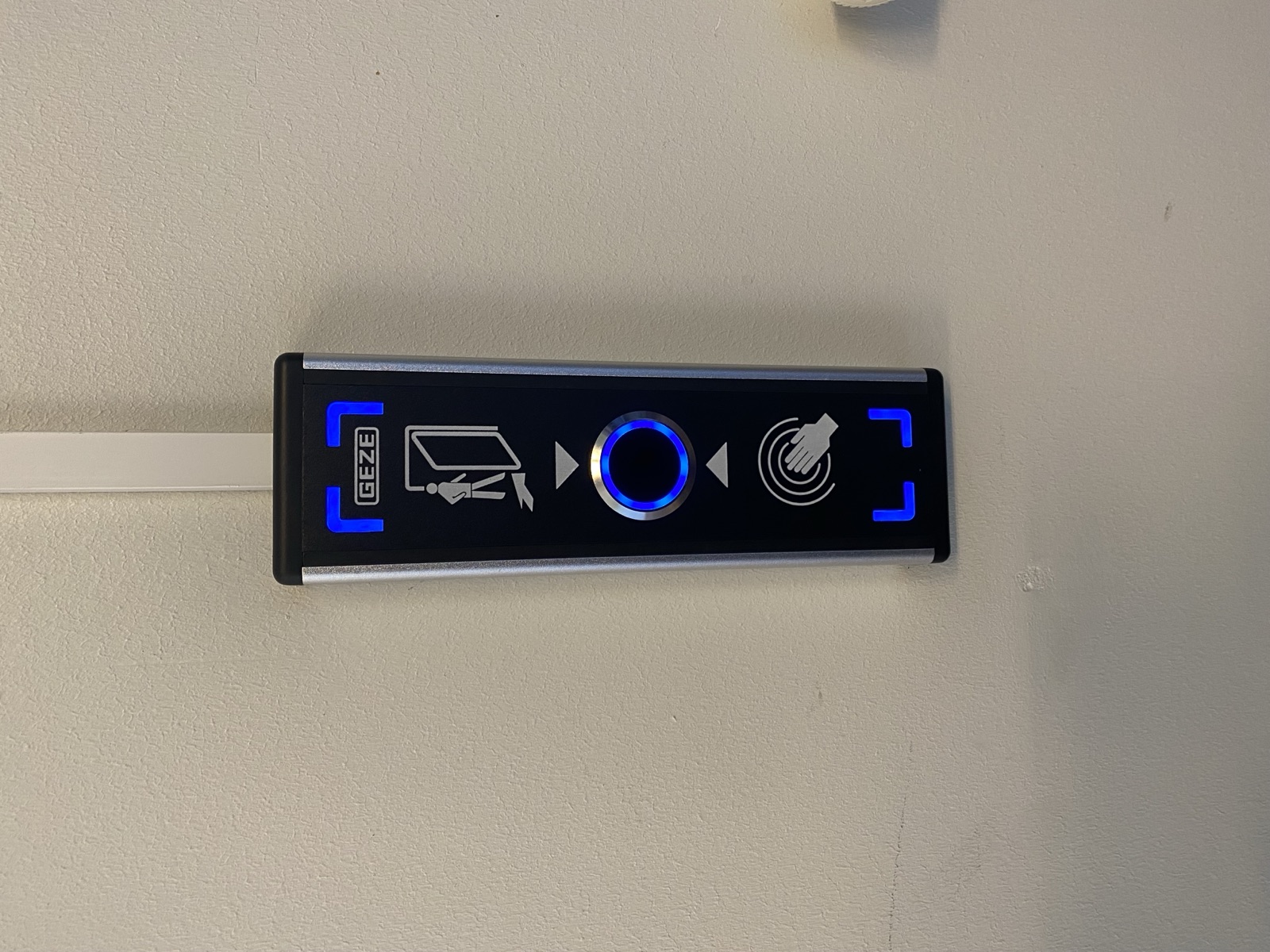
A door opener labelled by what it does. Push the button or wave a hand. Nobody is depicted. Download photo -
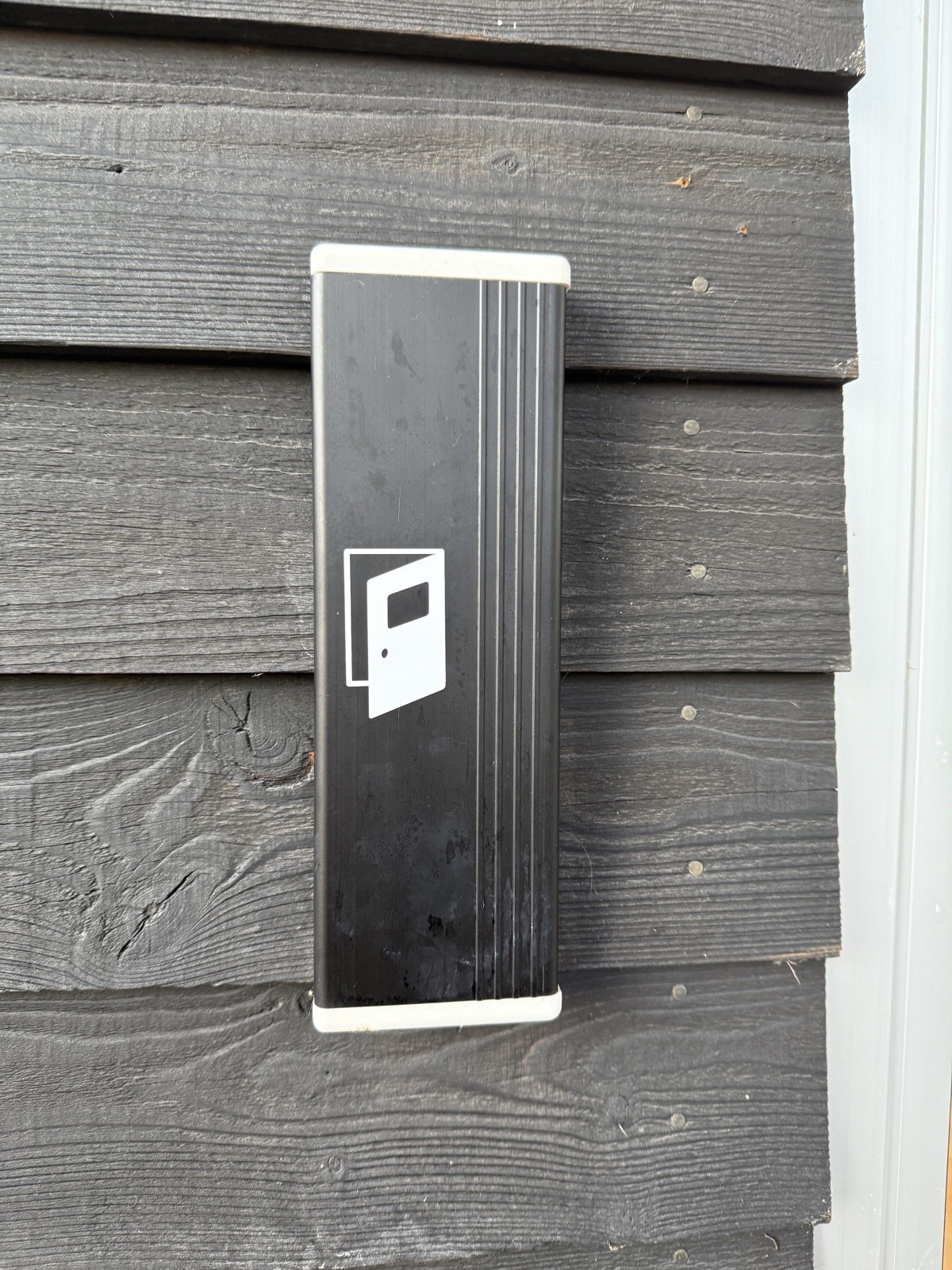
A door opener outdoors, with a pictogram of the door swinging open. The button shows what it does, so it needs no person icon. The contrast with the dark wall could be better, but the idea is right. Download photo -
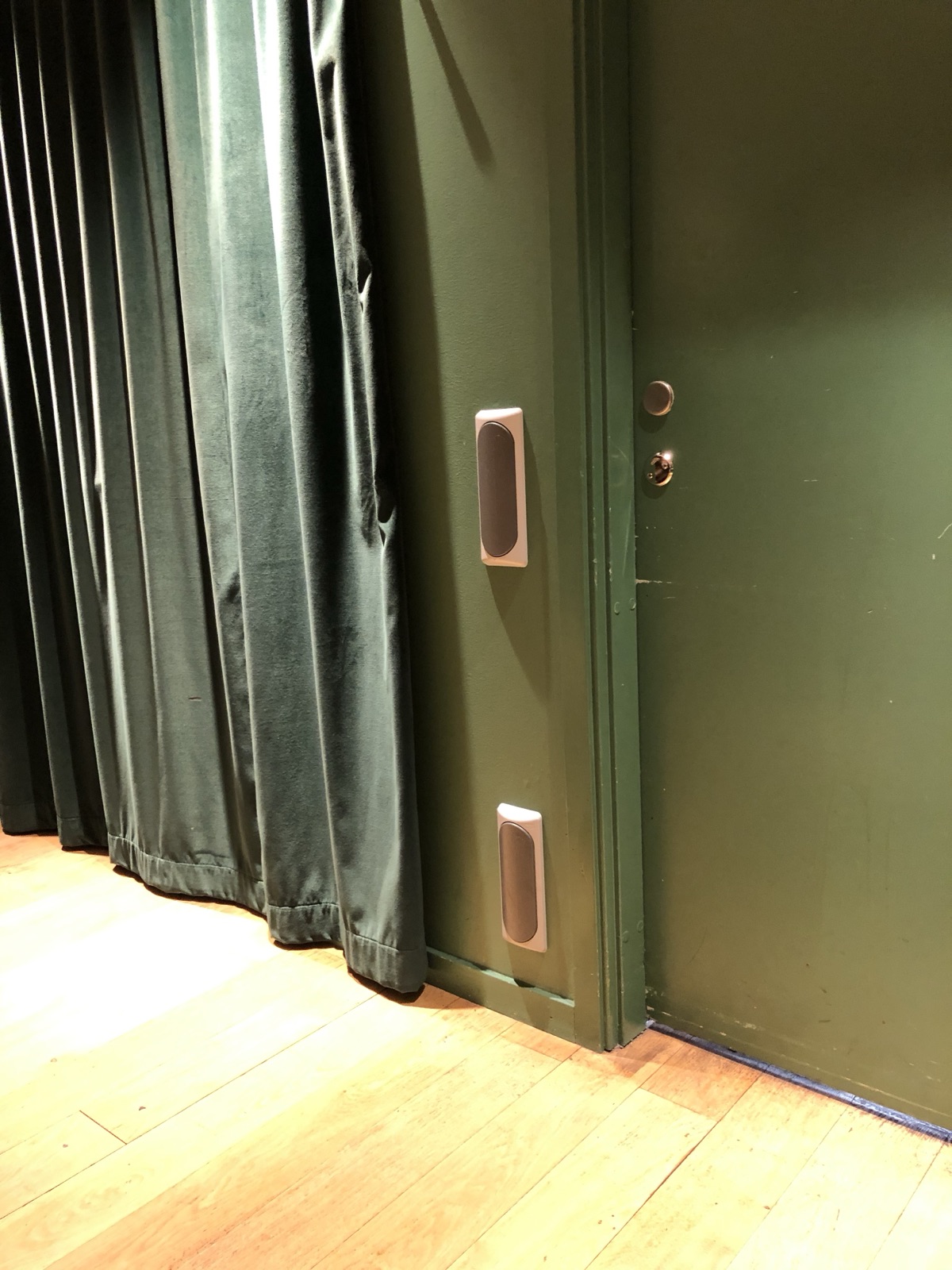
Gothenburg. A restaurant kitchen door with the same push plate at two heights, one for a hand and one for a foot, for whoever comes through with their hands full. Download photo -
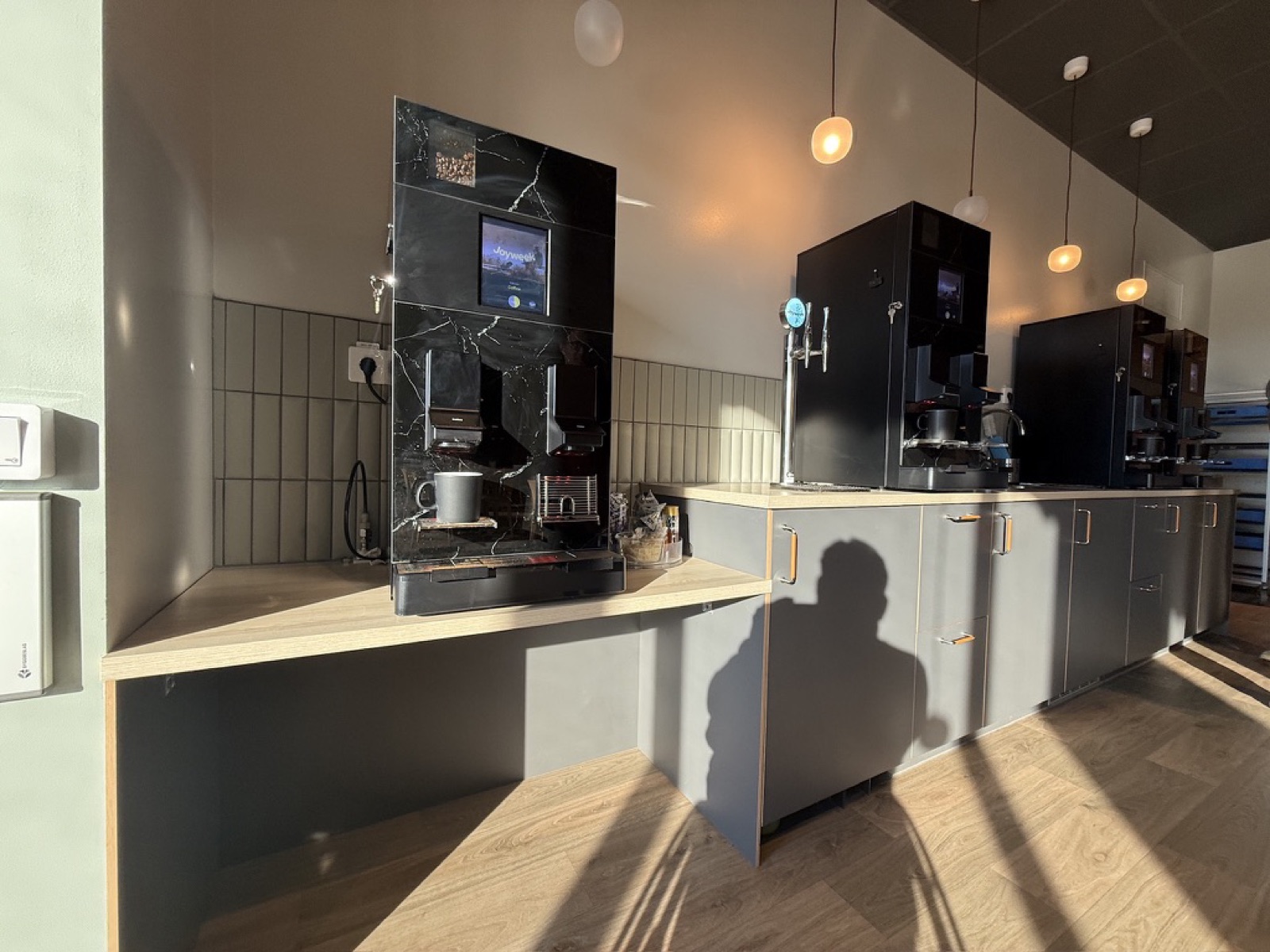
Two counter heights, two complete coffee stations. Download photo -
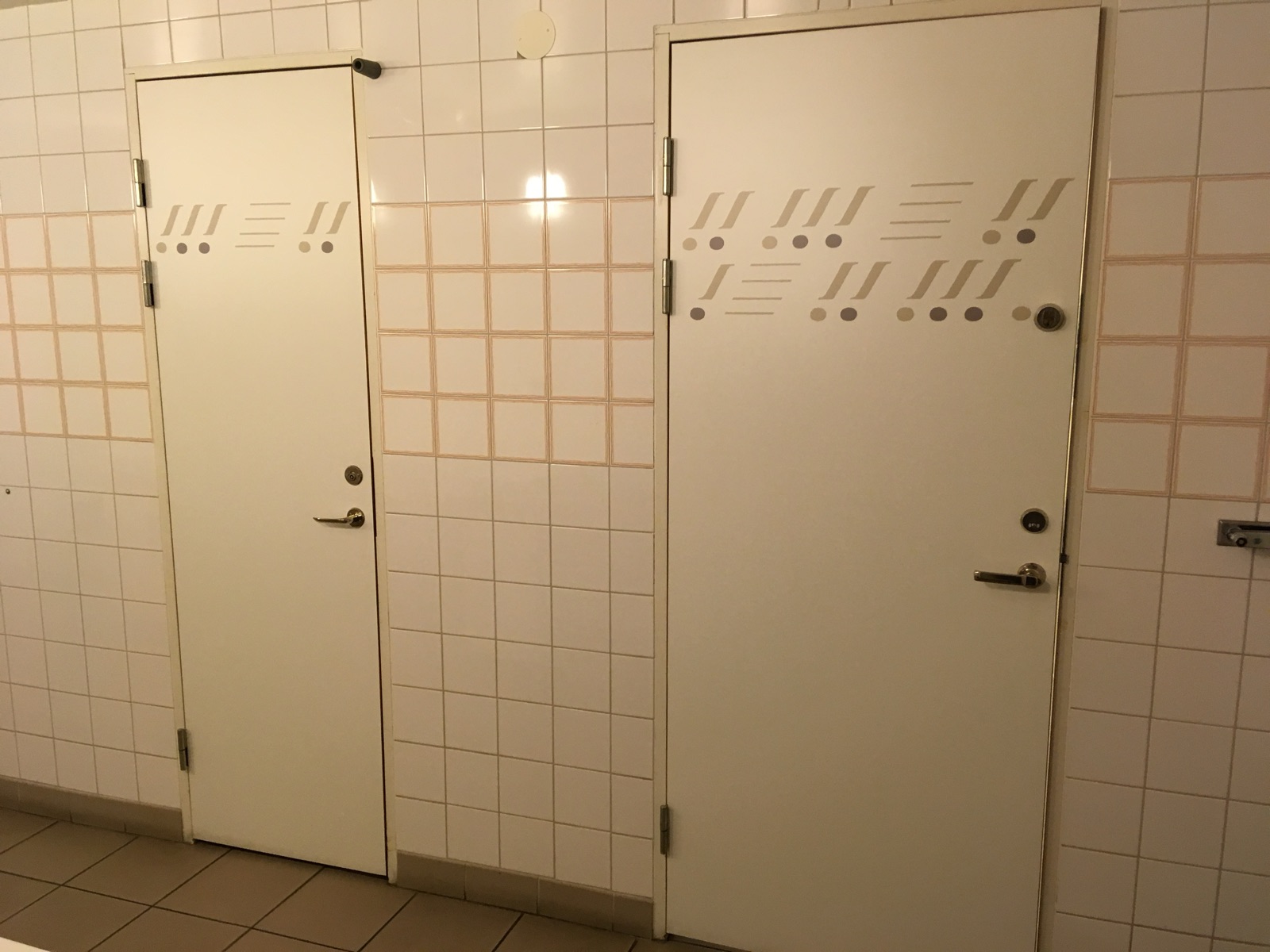
Two cubicles, marked by their widths, not by who may enter. Download photo -
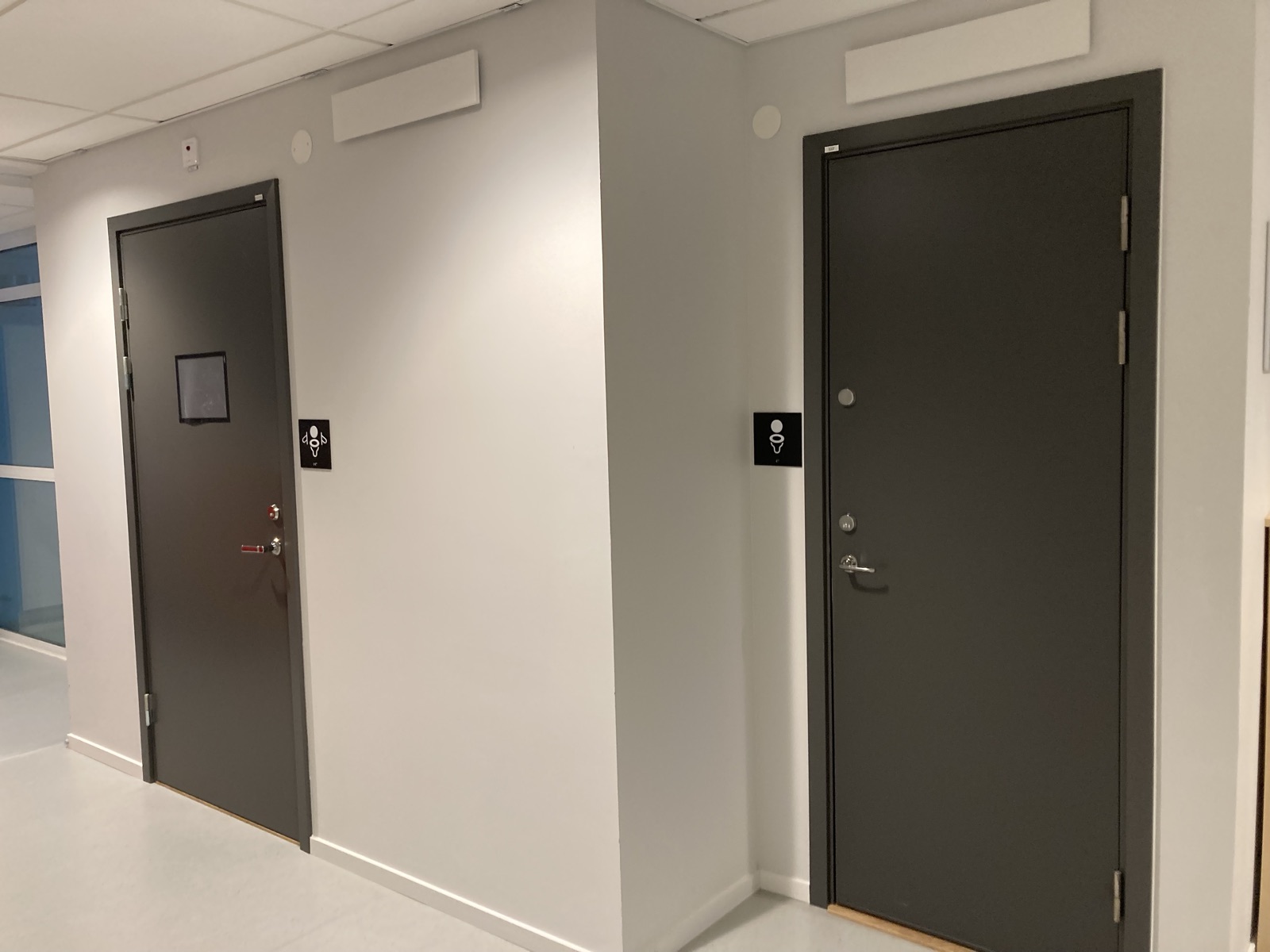
Gothenburg. Two identical doors. The signs show the room. One room has grab rails and the other does not, but neither door singles anyone out. Download photo -
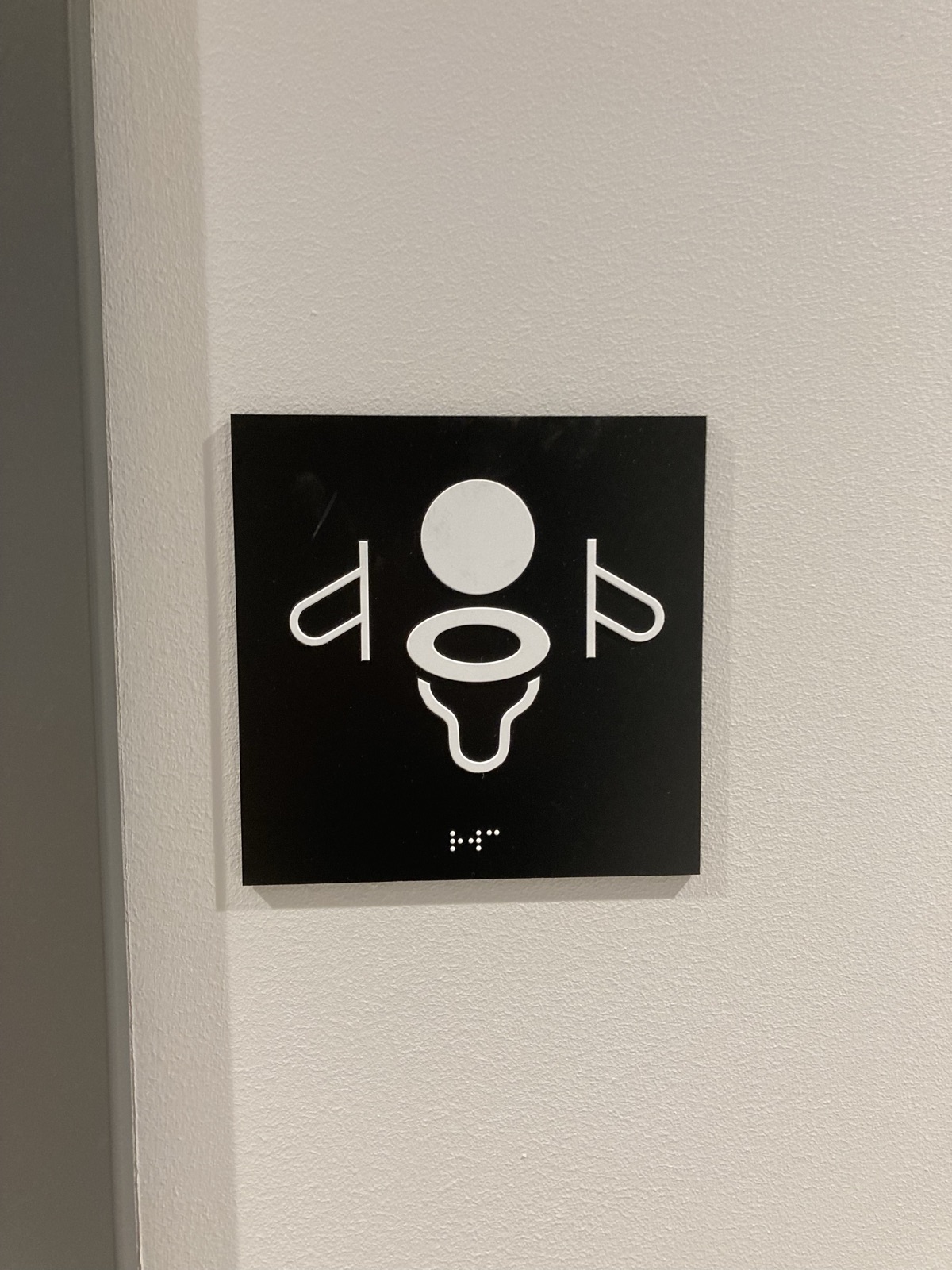
A toilet sign that shows the toilet. Nobody has to match a picture of themselves to open the door. Photo: Stina Ericsson. Download photo -
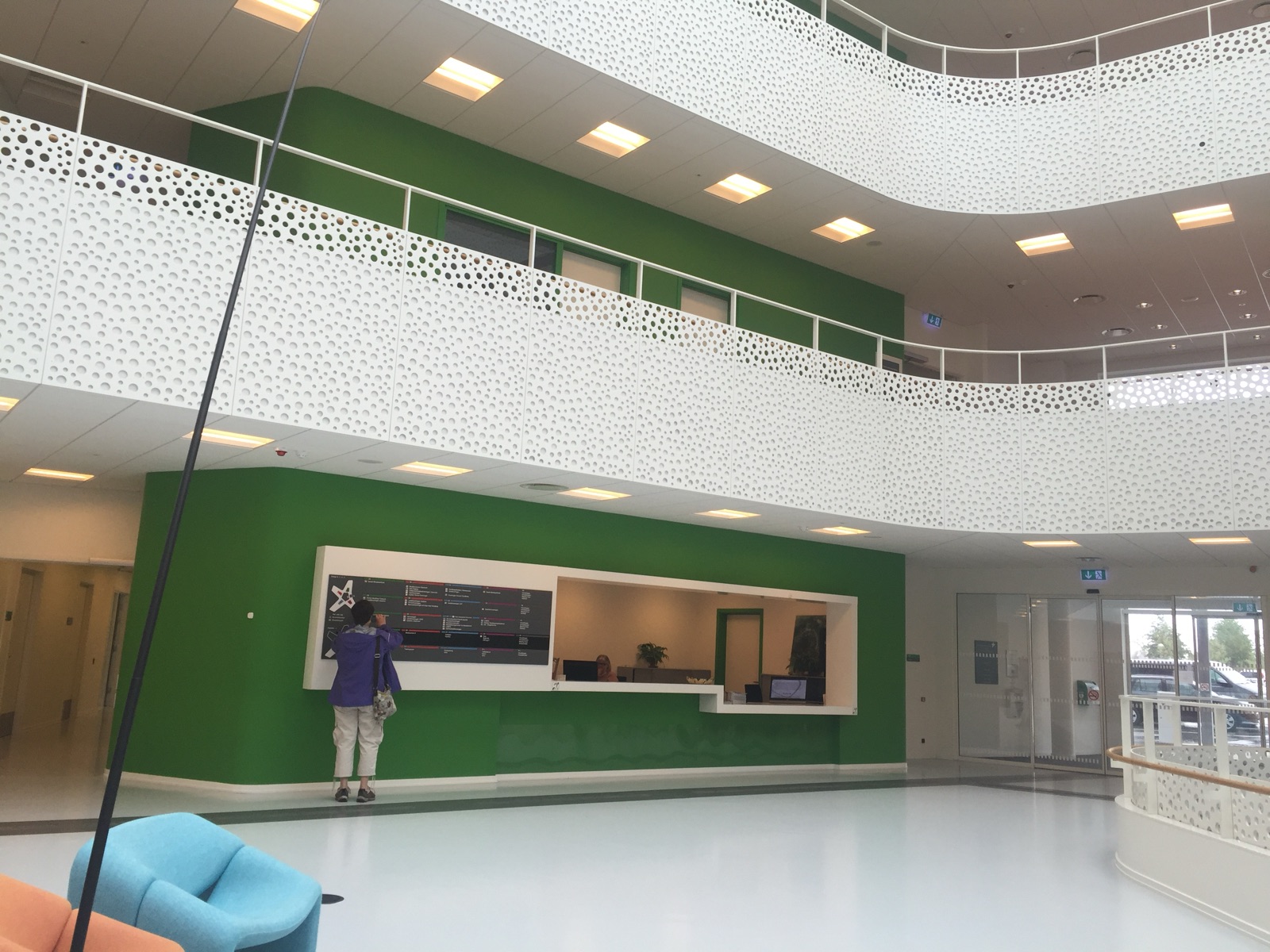
Taastrup, Denmark. A house designed from variation. Download photo -
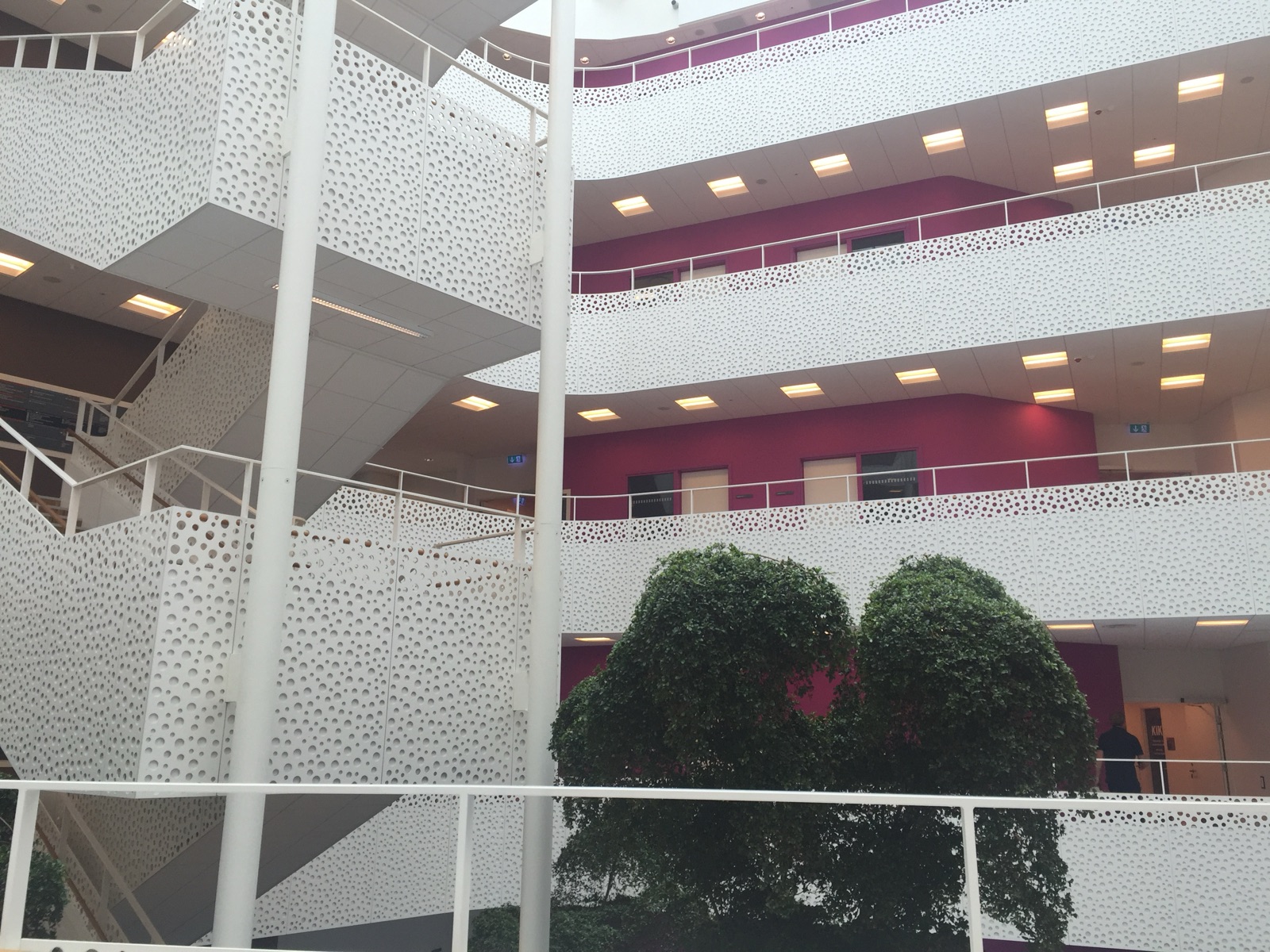
Inside Handicaporganisationernes Hus in Taastrup. Each floor carries its own colour, so you know where you are. Colour as wayfinding helps many visitors, and no one needs to ask. Download photo -
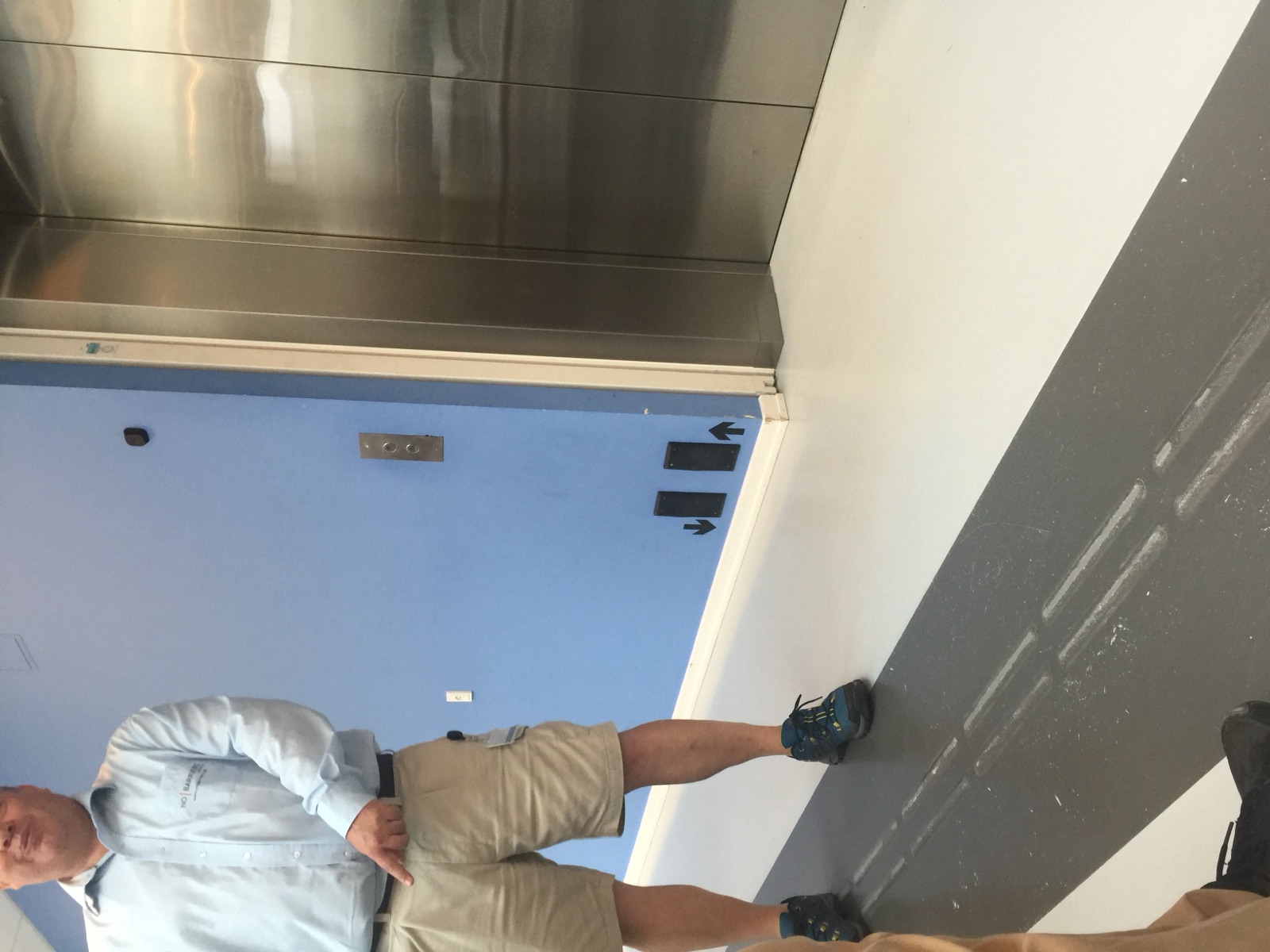
The elevator in Handicaporganisationernes Hus, Taastrup. The buttons sit at two heights: one panel at hand height, and two more just above the floor, where a foot or a wheelchair footplate can press them. The low buttons are part of the house's design, not an add-on for a group. Download photo -
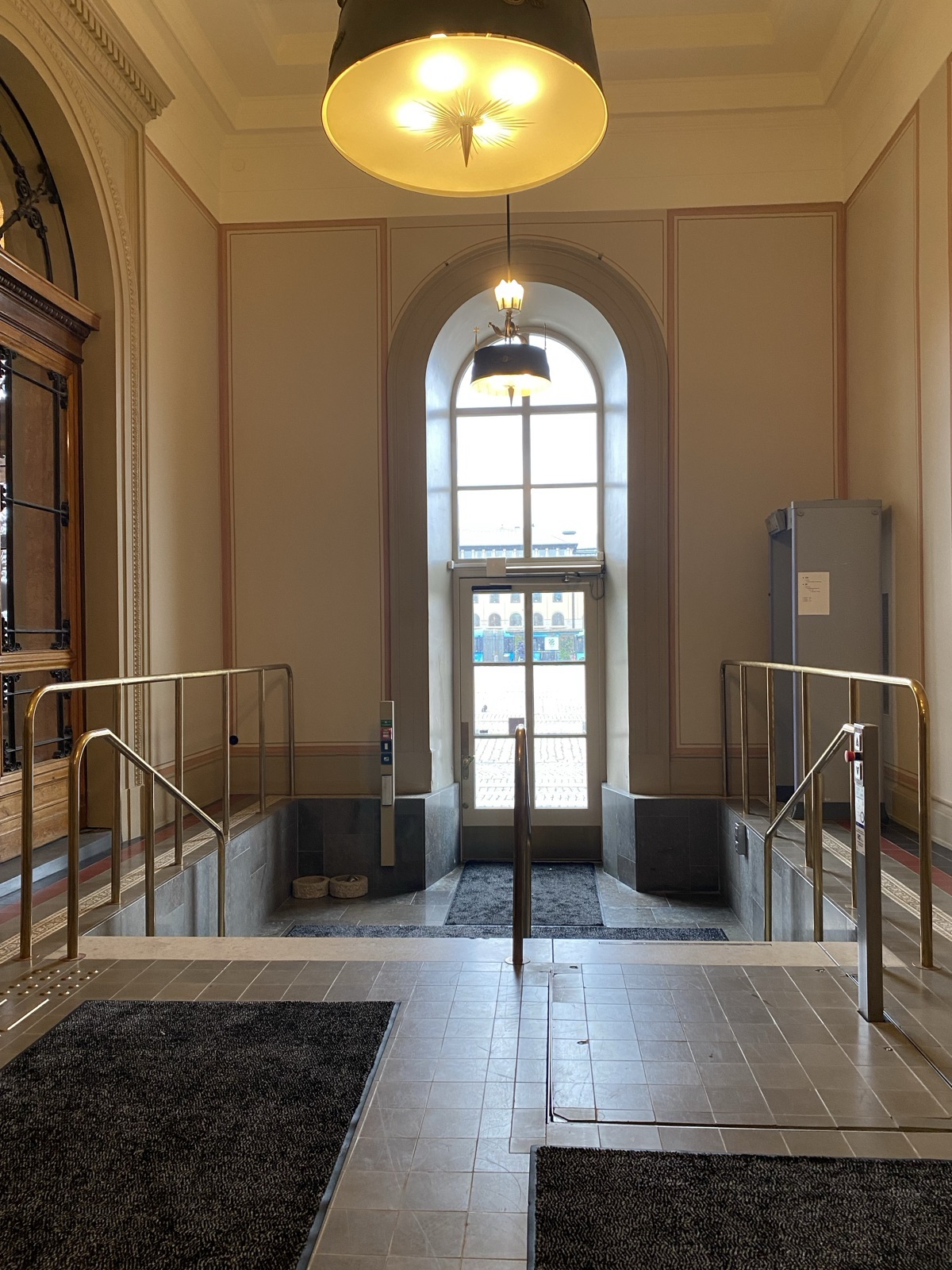
The staircase-that-becomes-a-lift, seen from the top. The lift is part of the floor, and nothing marks it until it moves. Download photo -
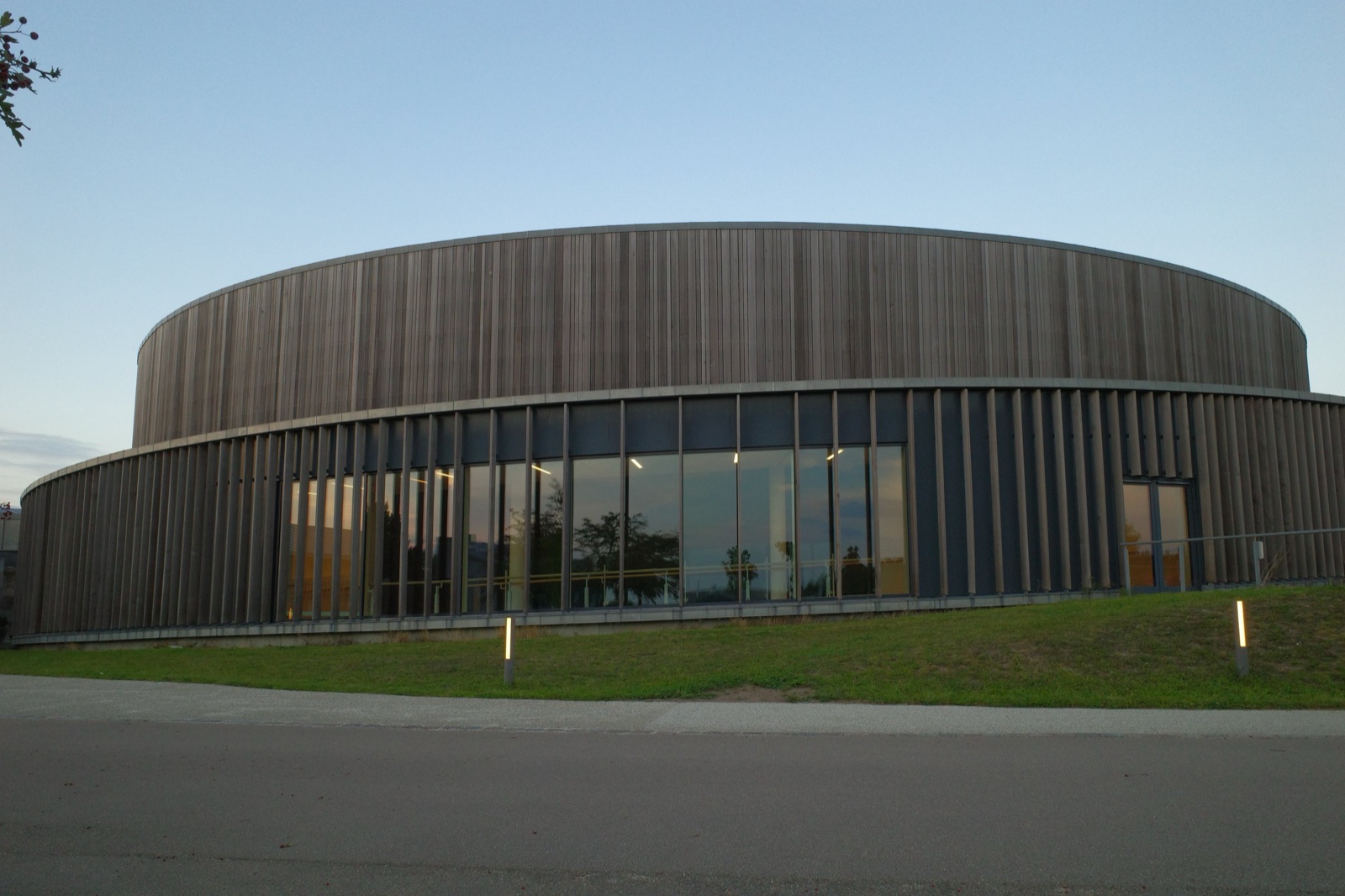
Musholm, Denmark. Inside the round hall, a long curved ramp follows the wall. From outside you only see the gentle slopes. The accessibility is built into the architecture, not attached to it. Download photo -
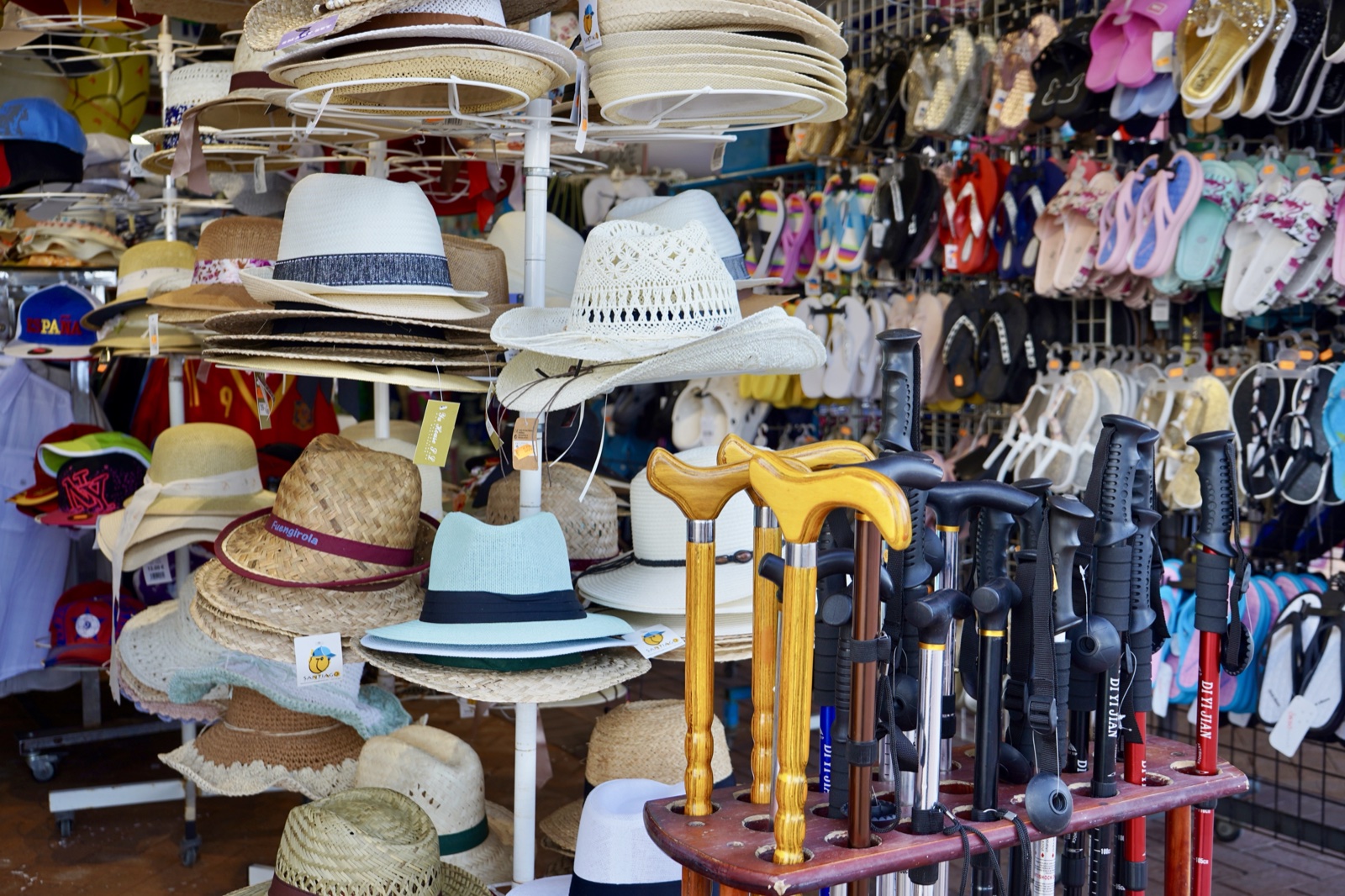
Fuengirola, Spain. A market stall where walking canes stand next to trekking poles, among the hats and flip-flops. Assistive and ordinary, sold side by side. Download photo -
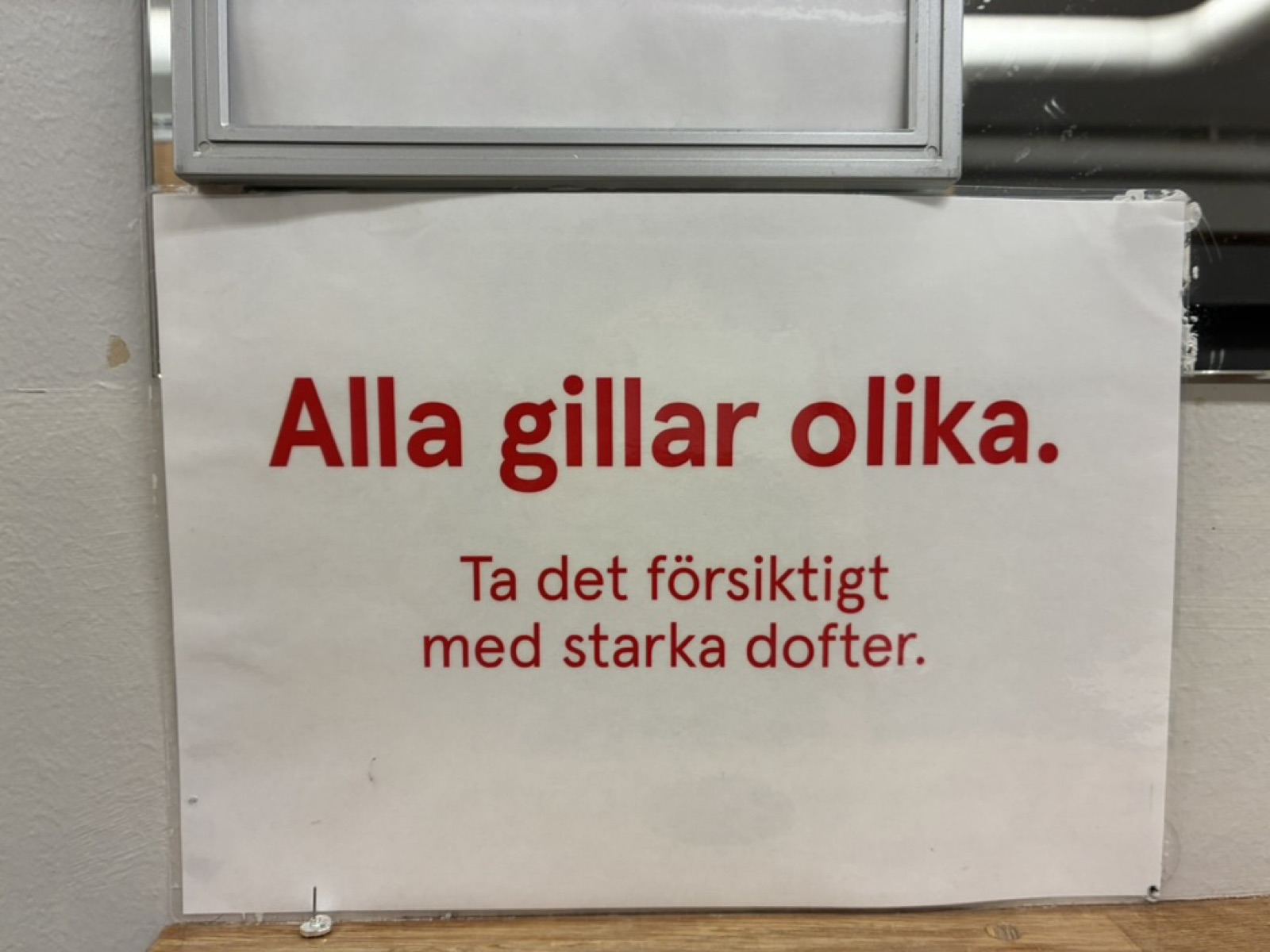
A scent-consideration sign that asks without sorting anyone. Photo: Stina Ericsson. Download photo -
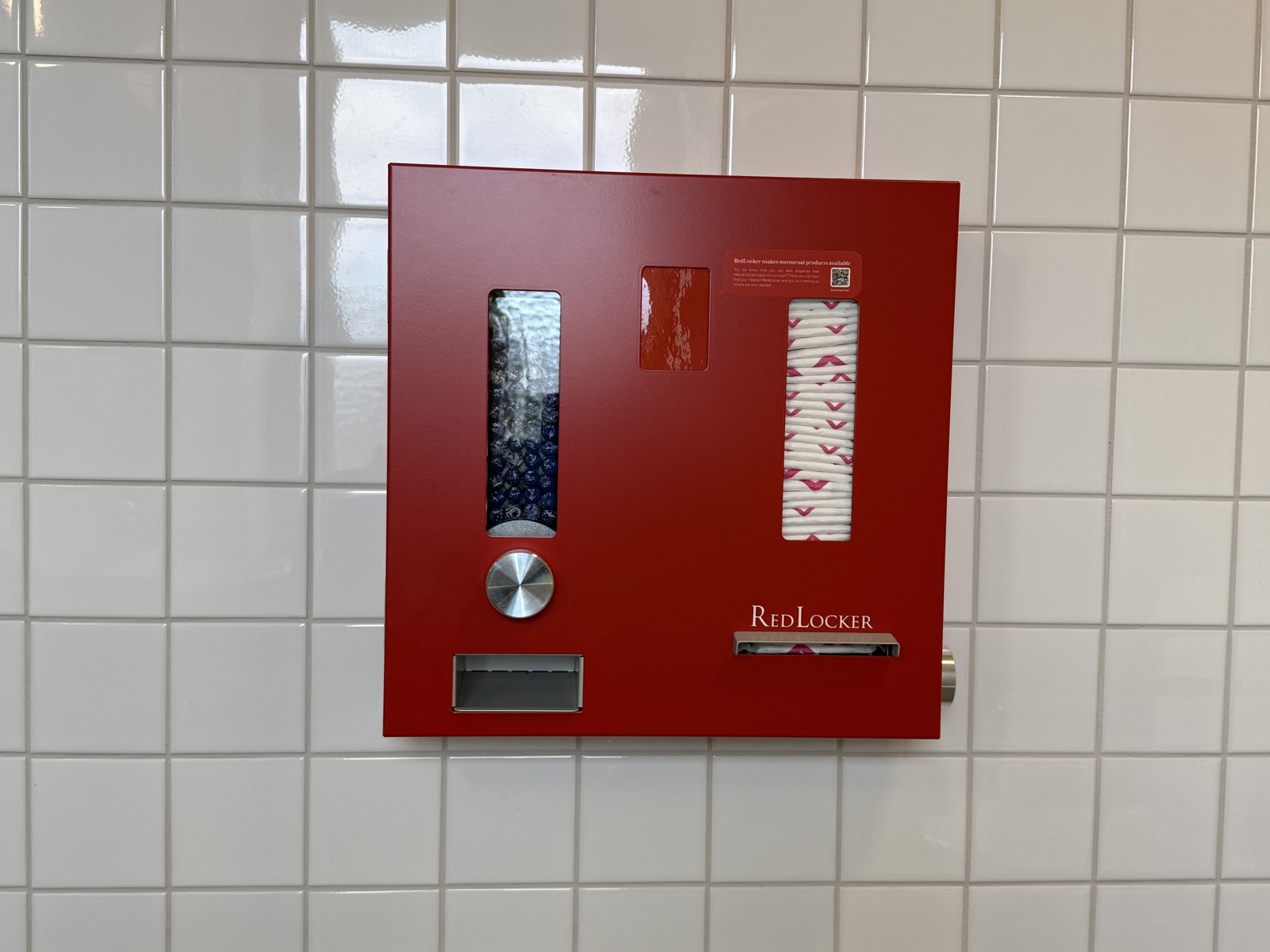
IKDC, Lund. Free menstrual products, tampons behind one window and pads behind the other. The dispenser hangs in every toilet, not only in one kind of room. Download photo -
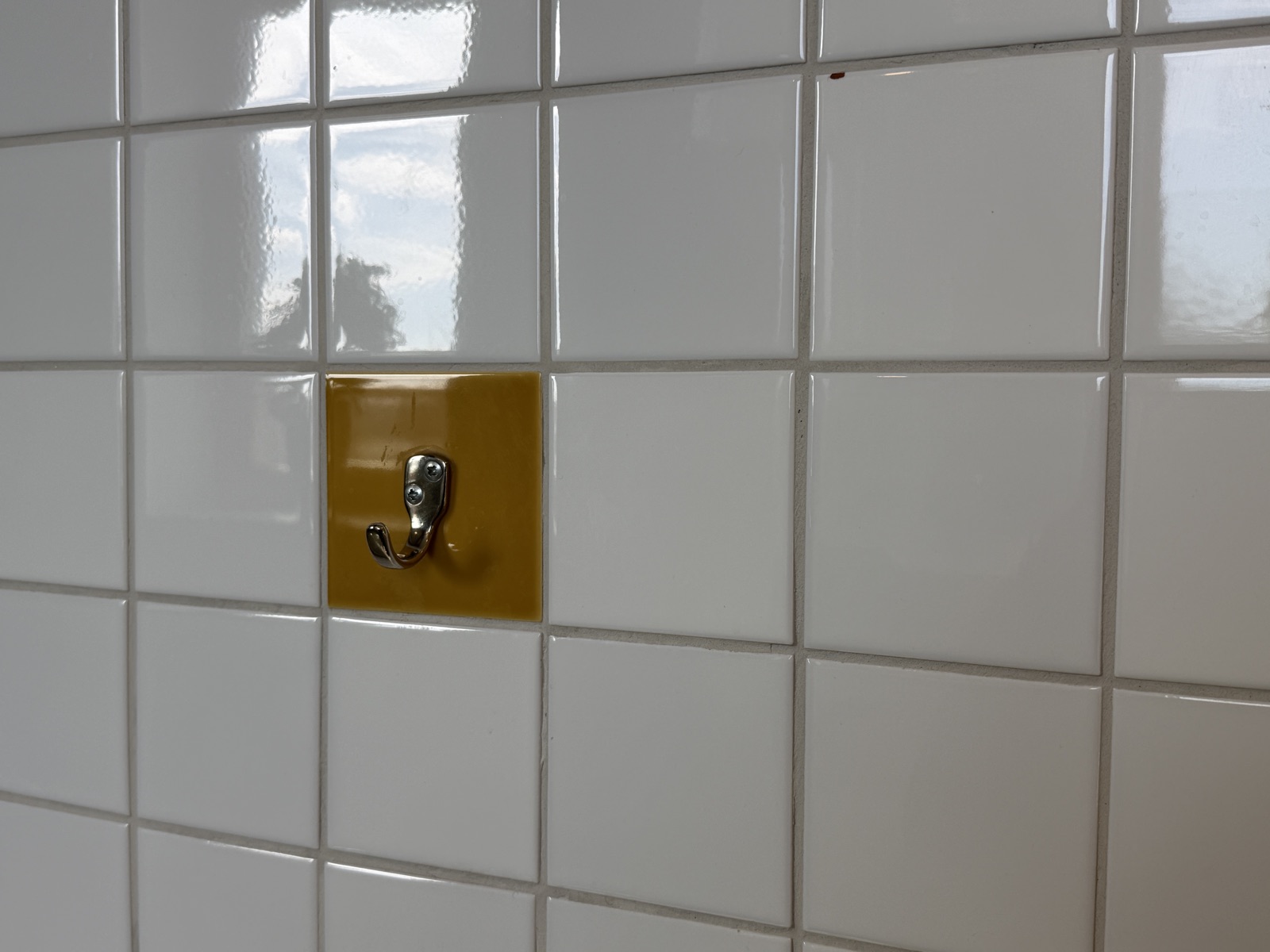
An extra coat hook on its own tile, at seated height. Download photo -
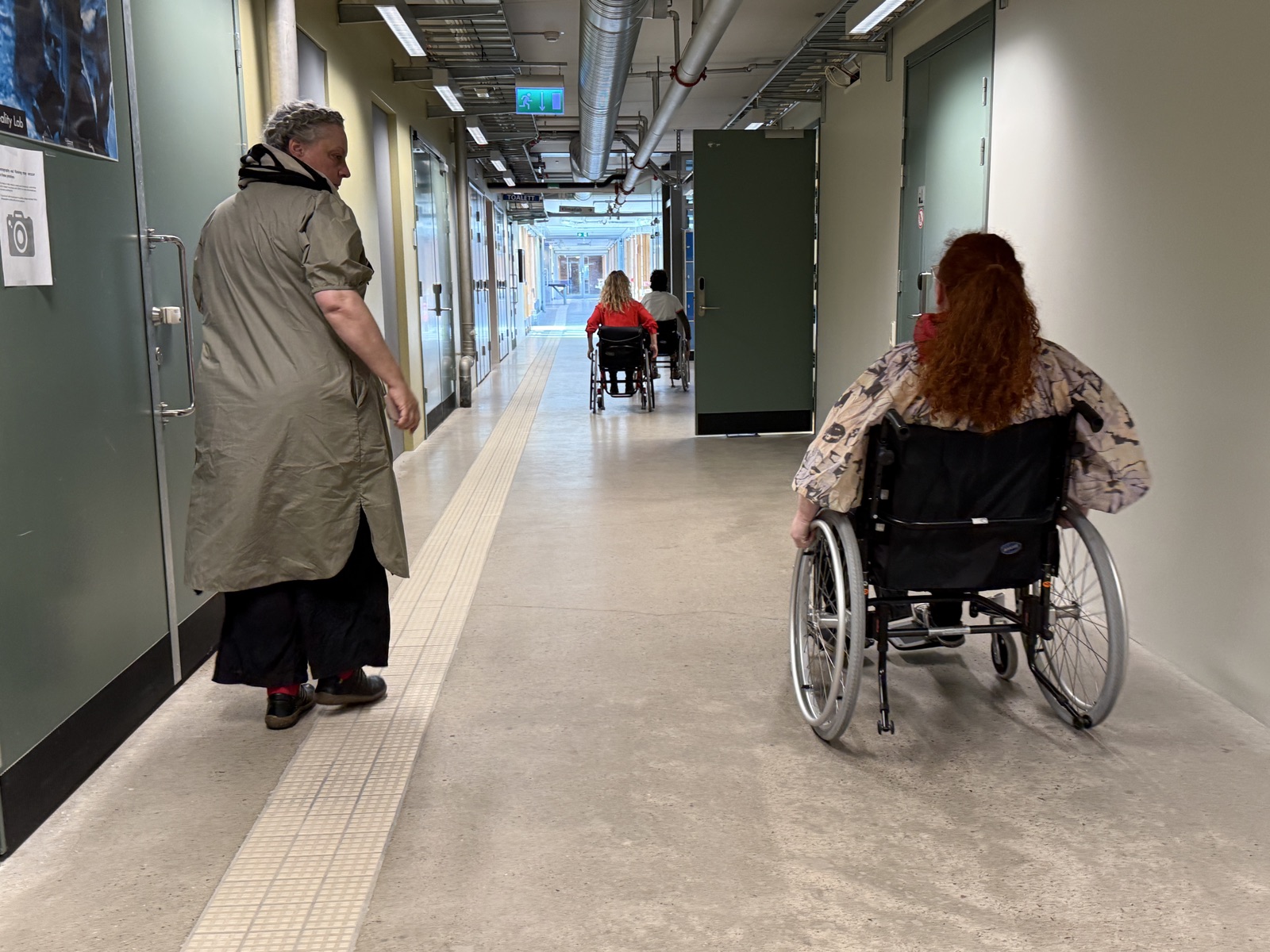
IKDC, Lund. A wide corridor with a tactile guidance strip. One walking, three rolling, all in the same generous space. The width means nobody has to wait or give way. Download photo -
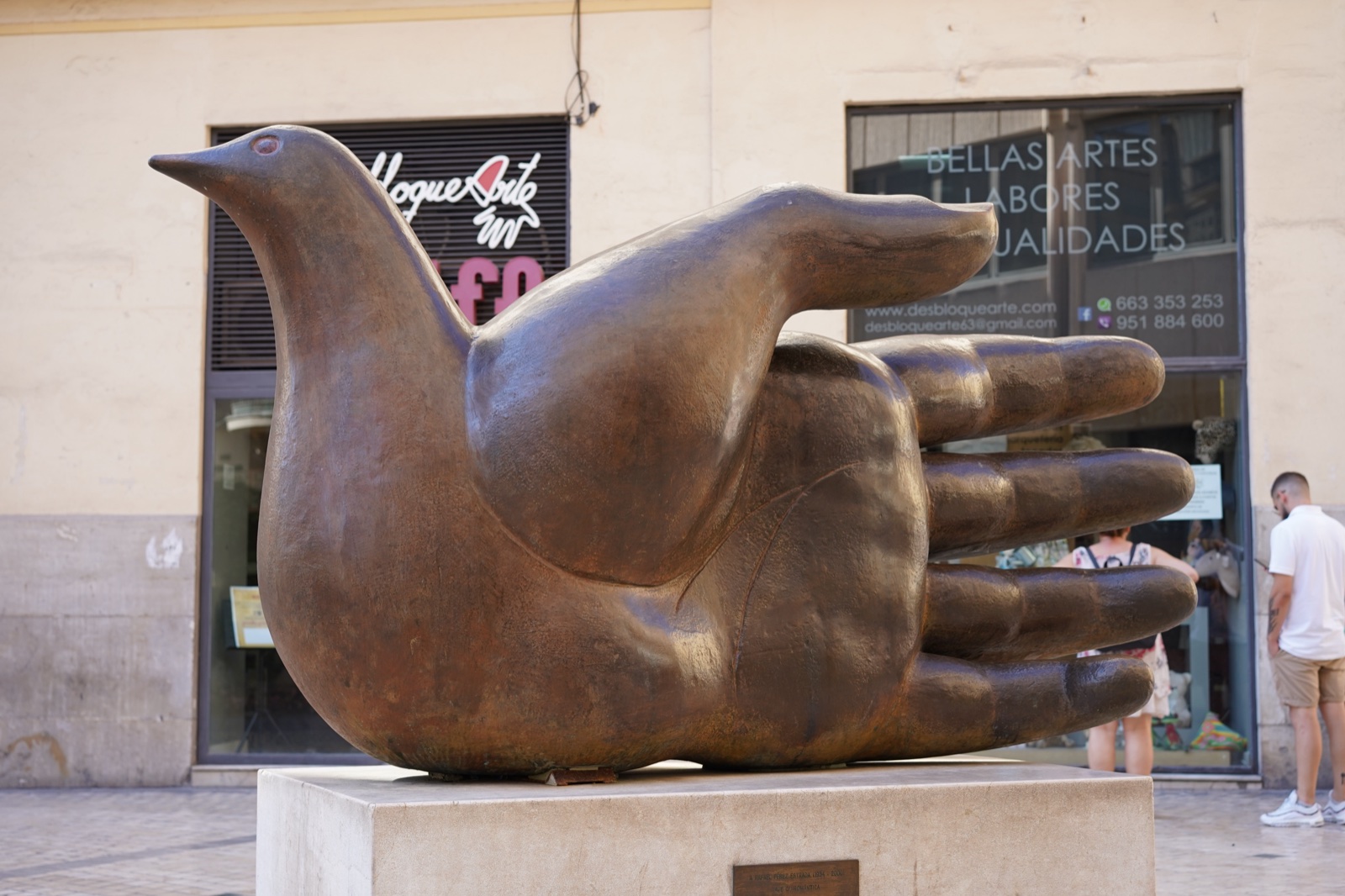
Málaga. Ave Quiromántica, a dove and an open hand cast as one body, the tail feathers doubling as fingers. Two forms share one shape without a seam. Download photo
What it is
This collection shows design that meets human variation without sorting people first. The designs do not announce themselves. When design starts from variation, it needs no marker, no special route, and no symbol saying who it is for.
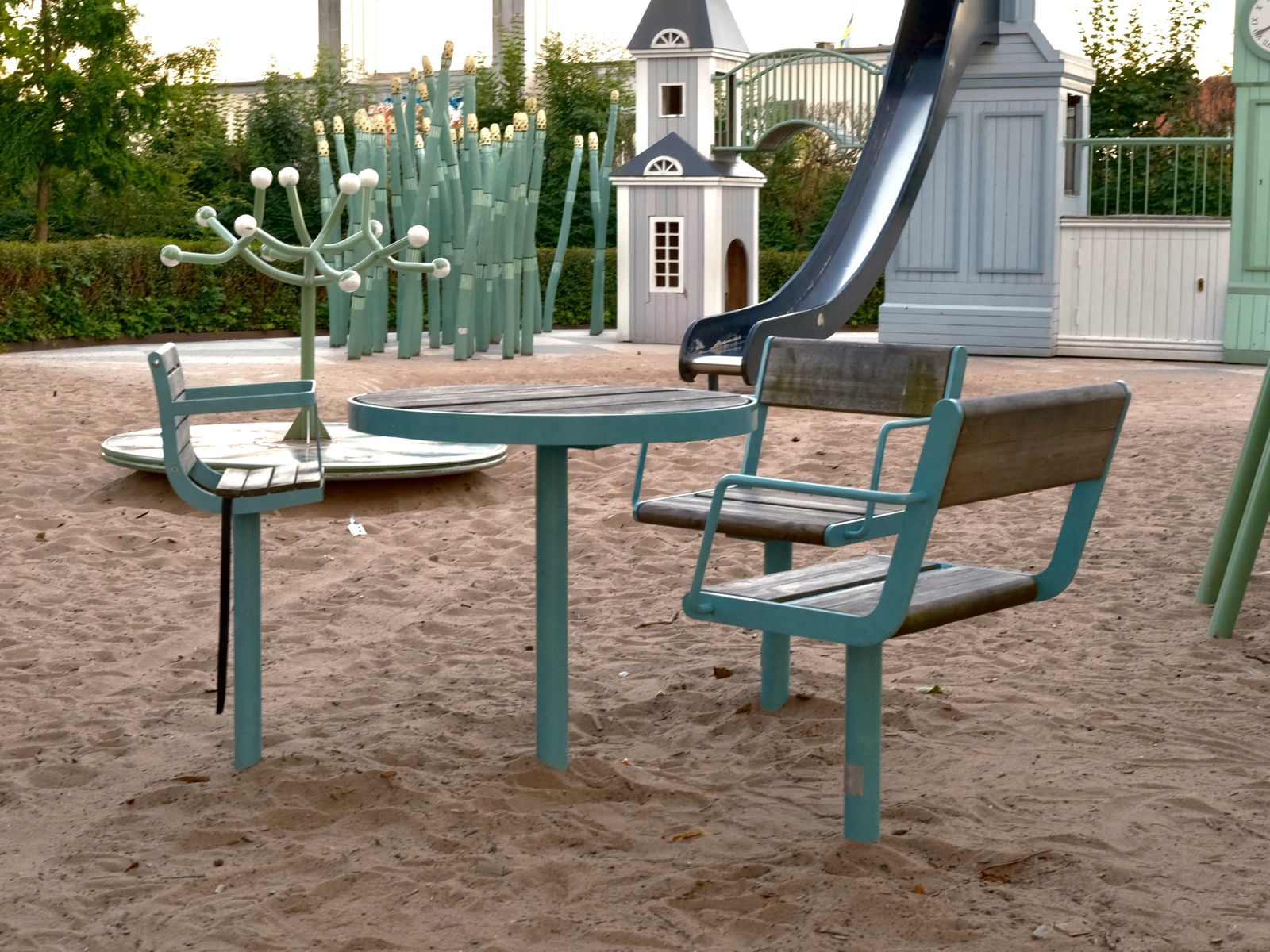
The park benches are my favourite example. A round table with gaps between the seats is not an accessible table. It is a table. The gap works for a wheelchair, a stroller, a walker, or a dog on a leash, and for the people around the table it is simply a place to sit.
The signs in this collection describe the room or the function instead of the visitor. A toilet seen from above, a wall grip named in words, a door panel showing what it does. It is the shift from person to function, photographed as I found it.
Download
Save any of the photographs above and use them under the license below. If you want an original in full resolution, write to me.
License: Open Educational Resource
Everything I have created here is shared under the Creative Commons Attribution 4.0 International license (CC BY 4.0).
You may:
- Share: copy and redistribute the material in any medium or format.
- Adapt: remix, transform, and build upon the material.
Under the following condition:
Attribution: give appropriate credit and indicate if changes were made. A simple "Per-Olof Hedvall, peohedvall.com" is enough.
This applies only to content I have created. Any third-party content, such as quoted images, may be under a different license and is marked accordingly.