The Problem with Inclusion
Inclusion is done to someone by someone.
What it is
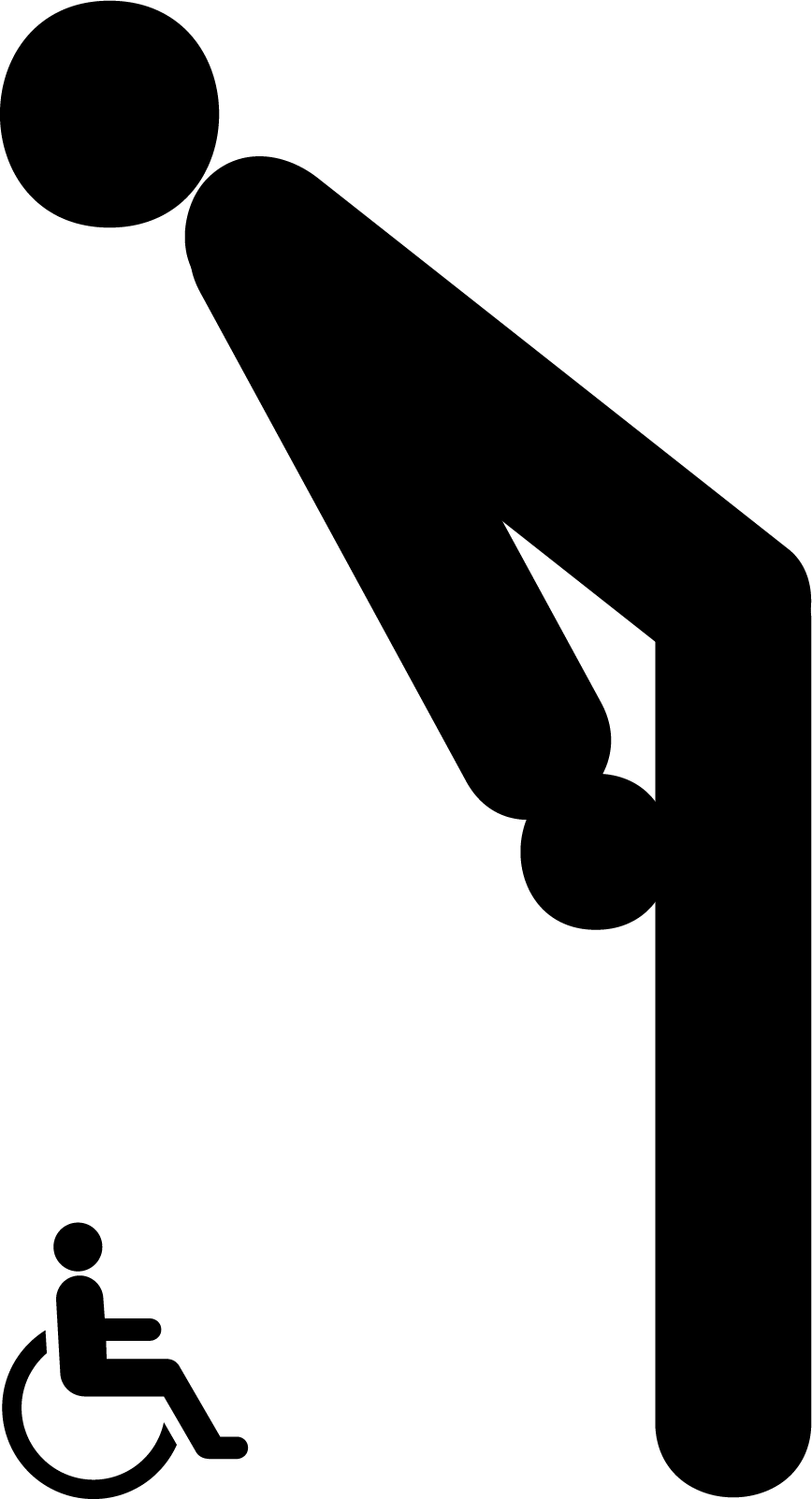
Inclusion involves choice. It is always done to someone by someone else. This drawing is my attempt to capture what being “included” can feel like. A large person leans over and looks down at a small person in a wheelchair.
In the paper behind it, Stina Ericsson and I argue that the problem with “inclusion” is not the word but the structure it keeps in place. To include someone, there has to be a “we” who include and a “them” to be included. The sorting into those two groups comes first, before anyone is welcomed in. Nonclusion begins from the other end. Everyone already belongs, and what design can do is recognise that.
Download
References
- Hedvall, P.-O., & Ericsson, S. (2024). The Problem with "Inclusion"? It Is Done to Someone by Someone. In Universal Design 2024: Shaping a Sustainable, Equitable and Resilient Future for All (pp. 18–25). IOS Press. https://doi.org/10.3233/SHTI240978
License: Open Educational Resource
Everything I have created here is shared under the Creative Commons Attribution 4.0 International license (CC BY 4.0).
You may:
- Share: copy and redistribute the material in any medium or format.
- Adapt: remix, transform, and build upon the material.
Under the following condition:
Attribution: give appropriate credit and indicate if changes were made. A simple "Per-Olof Hedvall, peohedvall.com" is enough.
This applies only to content I have created. Any third-party content, such as quoted images, may be under a different license and is marked accordingly.