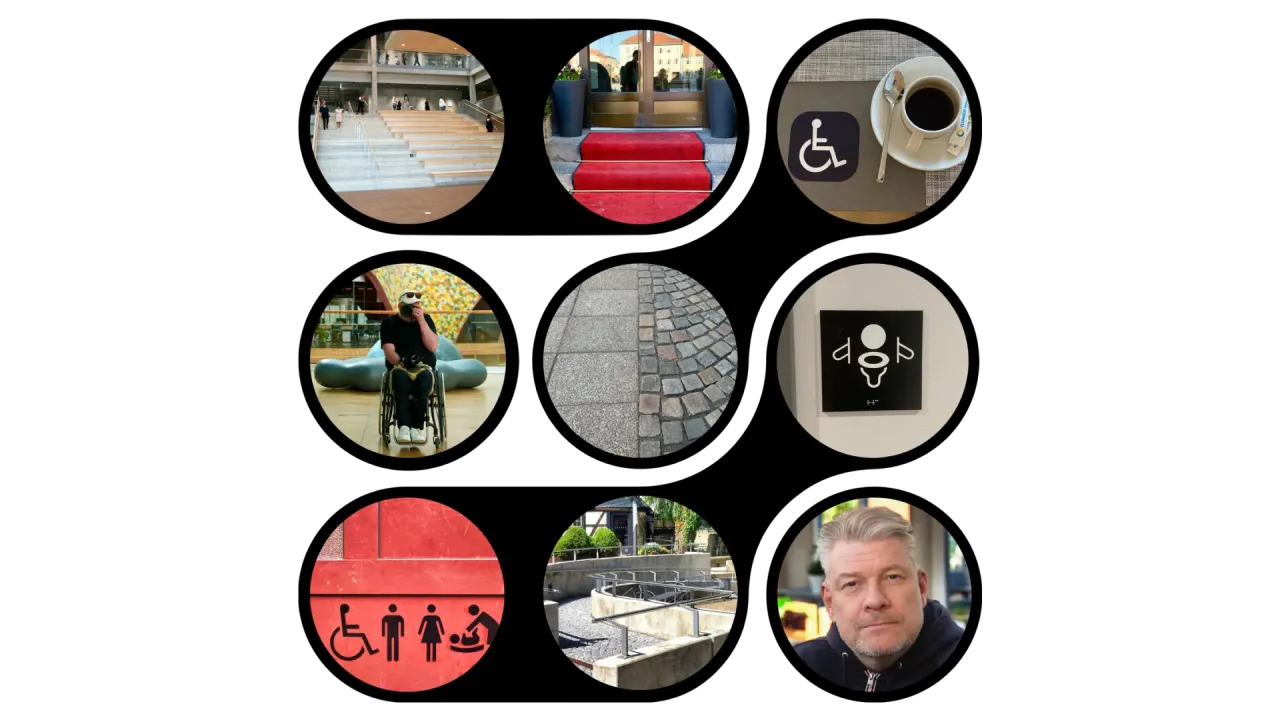
Per-Olof Hedvall
[ PAGE 2 ]
-
LinkedIn Newsletter: "Nonclusive by Design"
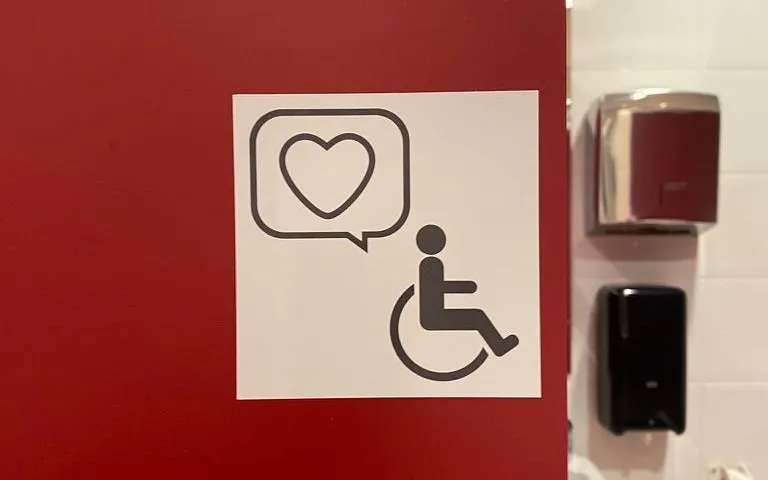
Say "I Already Belong" And The Conditional Access Paradigm Crumbles (#9)
Lately, I’ve been trying to work through the consequences of the statement “I already belong”.
-
LinkedIn Newsletter: "Nonclusive by Design"
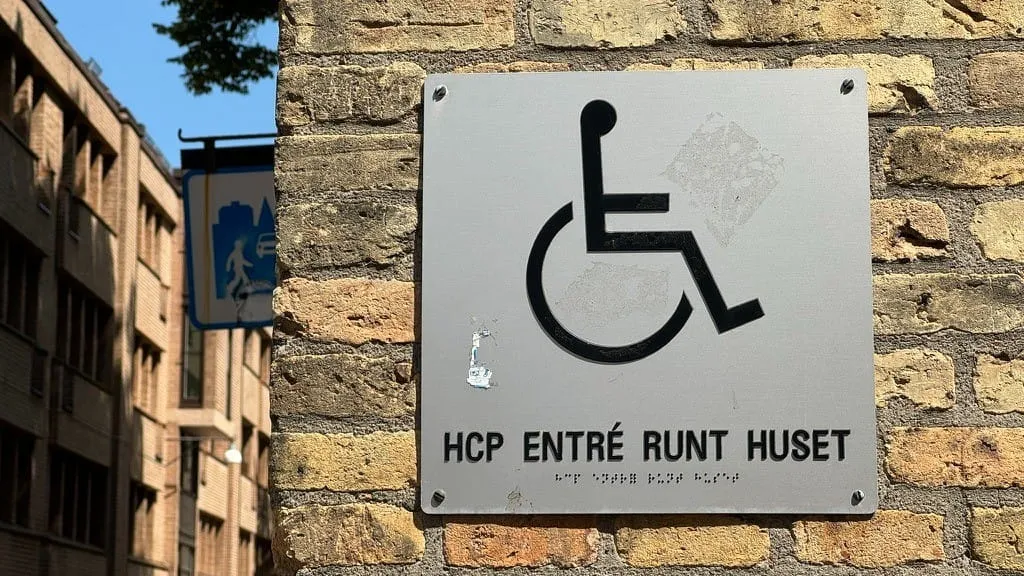
Why Getting from A to B Isn't Enough – Understanding Accessibility, Usability, and Universal Design (#8)
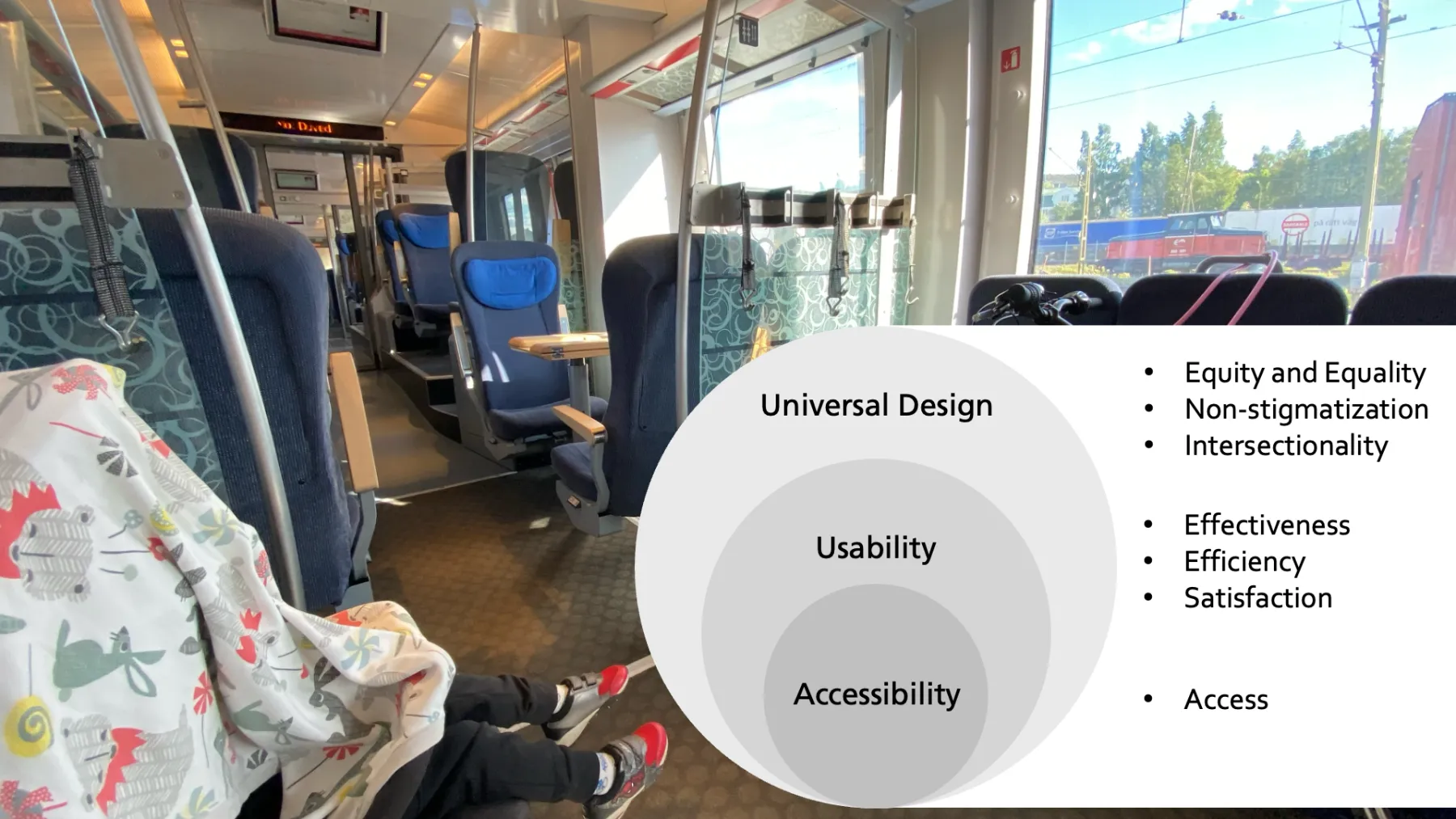
Universal Design goes beyond accessibility. This story shows how design choices shape dignity and diversity, and how getting from point A to B isn't enough.
-
LinkedIn Newsletter: "Nonclusive by Design"
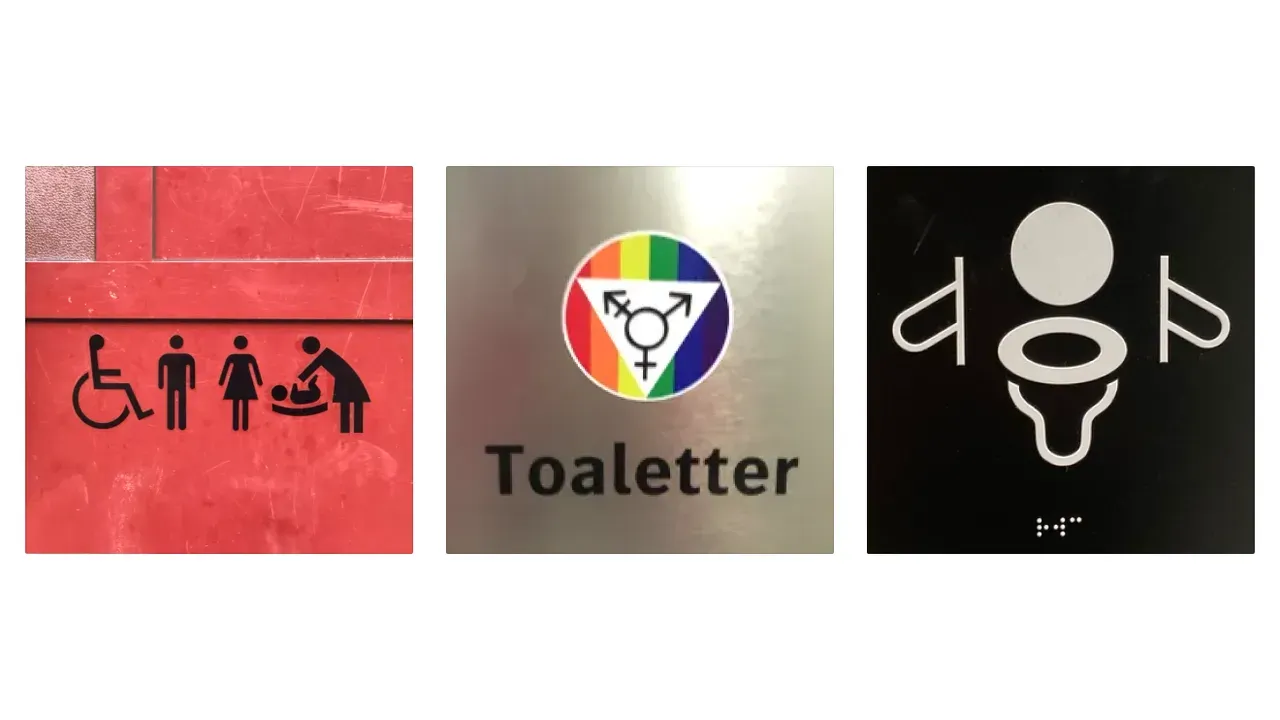
How Categorisation Shapes (and Limits) Universal Design (#7)
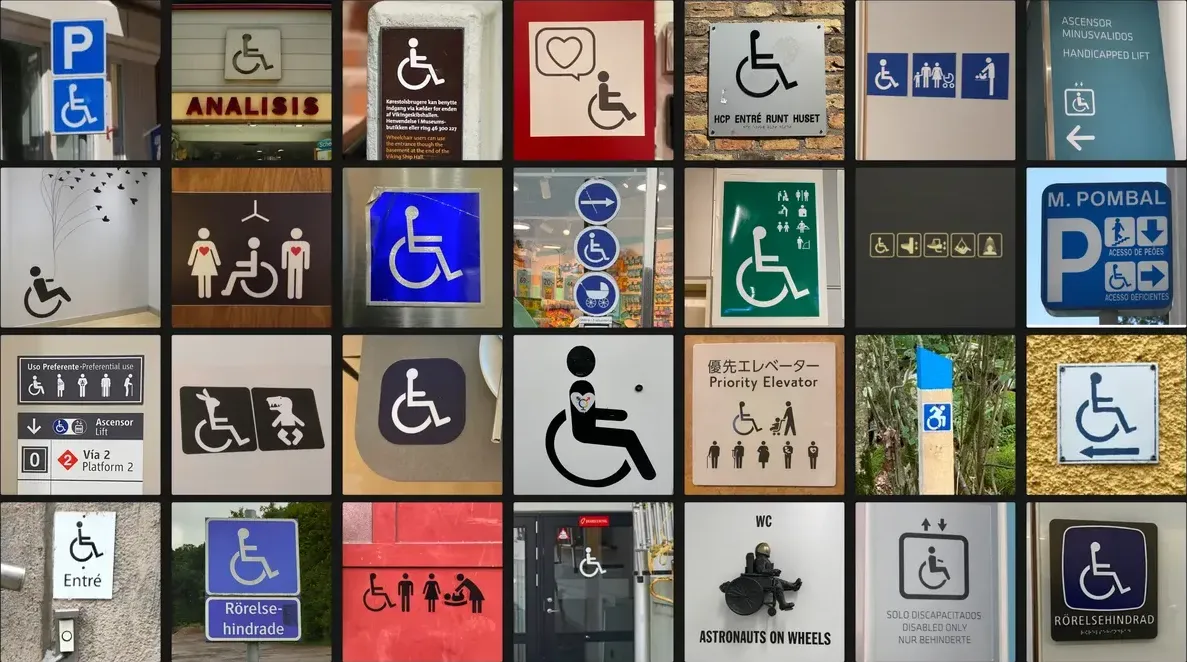
Why do we have different signs for "disabled toilet" and "toilet"? Why not just "Large" and "Small" toilets? This suggestion has been around since the 1970s, but still awaits its breakthrough.
-
LinkedIn Newsletter: "Nonclusive by Design"
Why Do We Grab Our Cameras When Something Feels Wrong – Or Right? (#6)
My work often starts with a photo.
-
LinkedIn Newsletter: "Nonclusive by Design"
Who Are All These "Others" In Policy Texts? (#5)
Have you noticed how often the word "others" appears in policy texts? My previous articles dealt with "us and them" divisions in signs and the built environment.
-
LinkedIn Newsletter: "Nonclusive by Design"
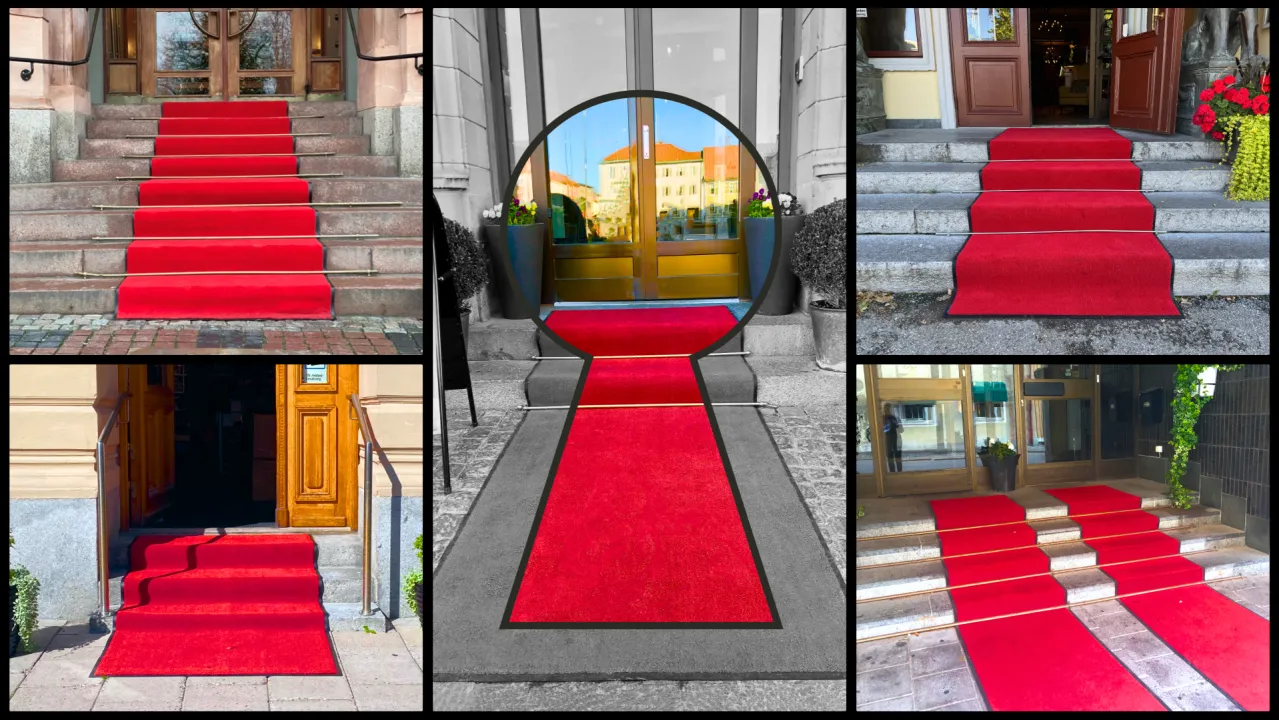
Who Carries the Burden When Design Fails? (#4)
Using a red carpet on an inaccessible staircase effectively places a person using a wheelchair, like me, as “abnormal”. The red carpet on this hotel's stairs clearly wasn't rolled out for me (Picture 1).
-
LinkedIn Newsletter: "Nonclusive by Design"
Three Strategies Designers Use To Acknowledge Diversity (#3)
I love toilet signs. They say a lot about our society and how people think.
-
LinkedIn Newsletter: "Nonclusive by Design"
Why "Nonclusion"? (#2)
I got a question in a comment that inspired this post: Why did you choose the term “nonclusion”? Good question!
-
LinkedIn Newsletter: "Nonclusive by Design"
Design beyond "us" and "them" (#1)
Design is powerful. It shapes how we move, connect, and participate. Too often, it silently follows norms that exclude, creating experiences of "us" and "them".
-
Blog post
Peekaboo! The Joke That Showed How Exclusion Makes Everyone Poorer – Including the Included
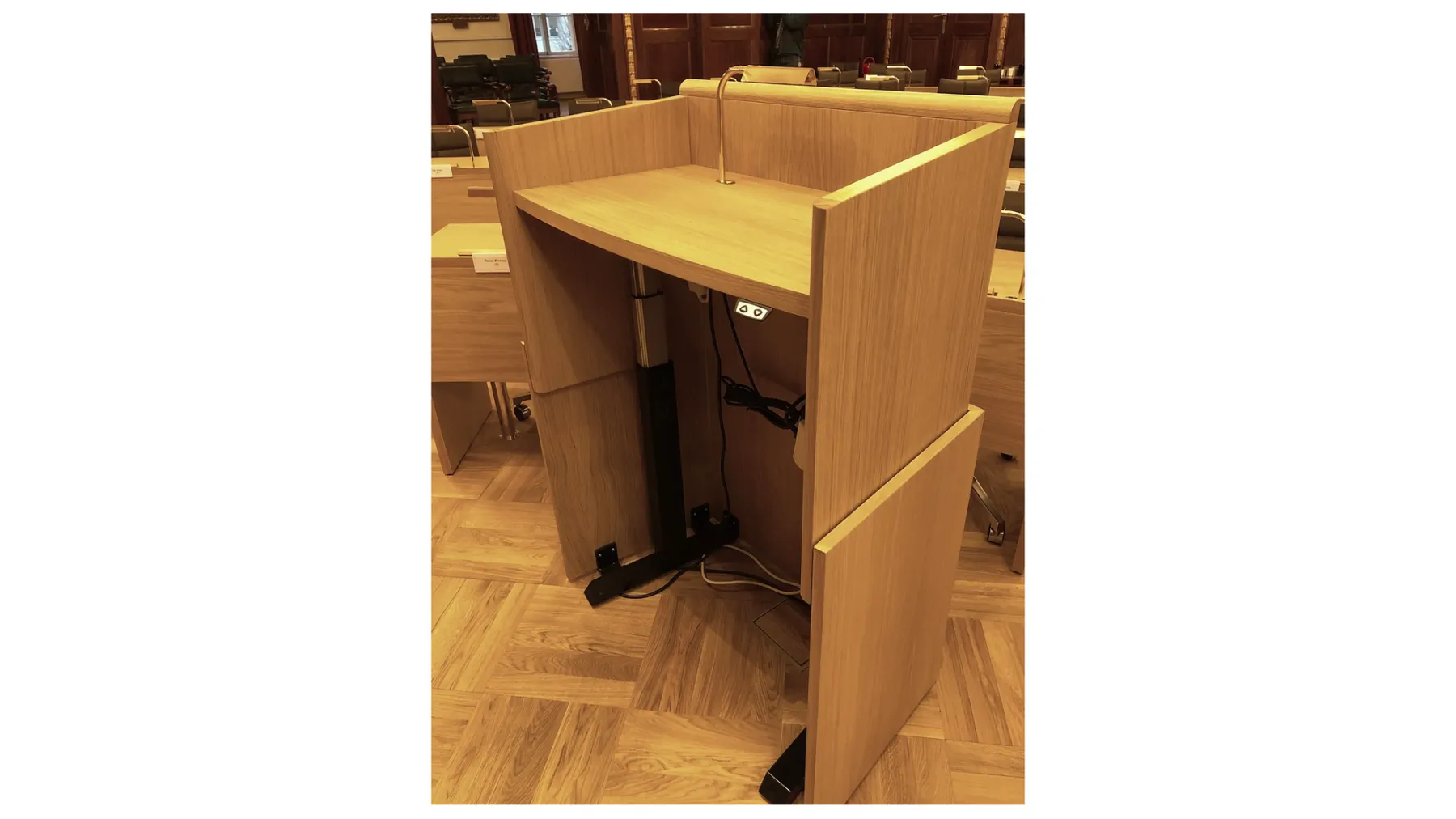
The moment I stepped onto the stage to begin my presentation on Universal Design, I stared at a huge monster of a fixed speaker podium that stood between me and the audience.
-
Blog post
One Goal, Three Names: Why I Don’t Separate Universal, Inclusive, or Design for All
I enjoy a good conceptual discussion just as much as anyone else, but not when it comes to the three siblings: “Universal Design”, “Inclusive Design” and “Design for all”.
-
Blog post
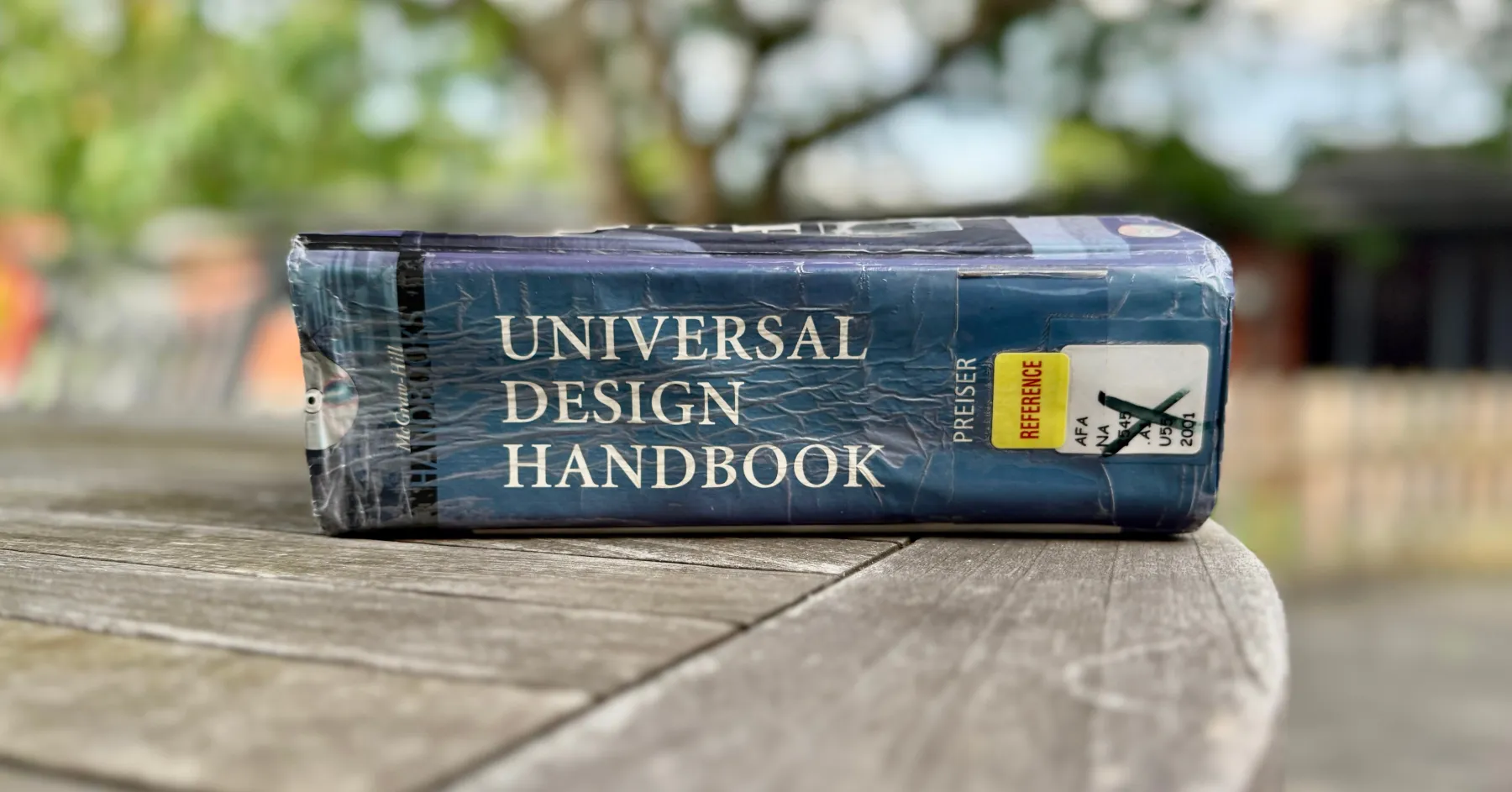
Early 2000s Universal Design Books are Worth Revisiting: 4 Books and 2 Quotes That Shaped How We Think About Access, Equity and Design
In 2002, Edward Steinfeld and Beth Tauke published the one text on Universal Design that I have read most often, "Universal Design*ing*" [1].
![A blue sign with no pictograms, just the text "[ This Space Intentionally Left Blank ]".](/images/posts/n7/1762999659927-card.webp)